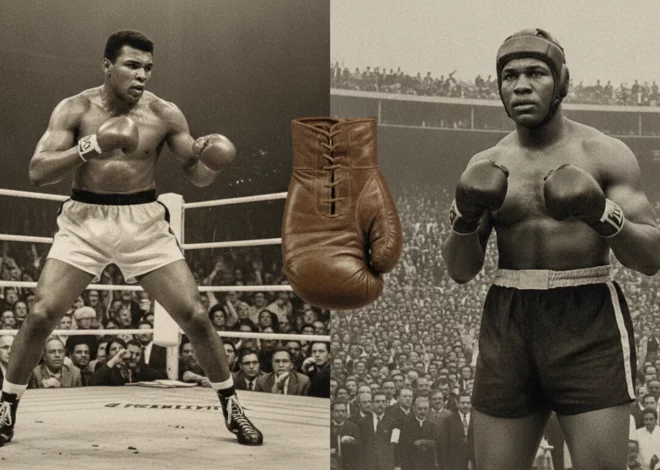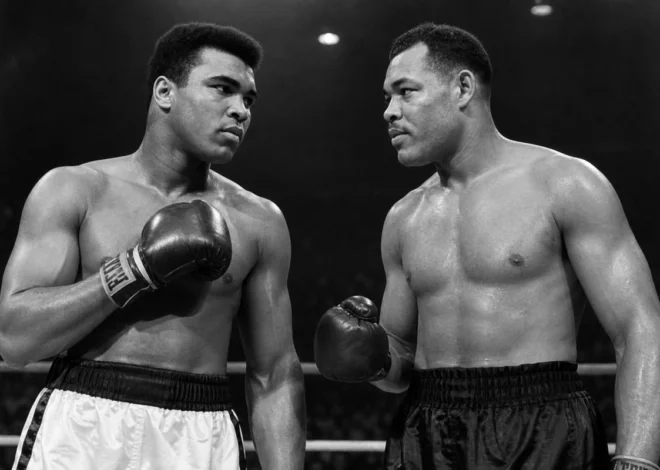
From Ali To Mayweather: The Most Skilled Boxers In Boxing History
This guide surveys the careers and styles of boxing’s most skilled practitioners, from Muhammad Ali to Floyd Mayweather, distilling their technical brilliance, ring intelligence, and devastating counterpunching to provide an authoritative roadmap for understanding mastery, defense, and the tactical choices that separated champions from contenders.
Types of Boxers
Styles split fighters into clear archetypes: the relentless Swarmer who pressures, the technical Out-boxer using distance, the elusive Counterpuncher exploiting timing, the one-punch Puncher seeking KOs, and the adaptable Boxer-Puncher who mixes offense and defense; examples include Joe Frazier’s pressure and Floyd Mayweather’s defense, while tactical adjustments often decide 50-50 matchups.
- Swarmer
- Out-boxer
- Counterpuncher
- Puncher
- Boxer-Puncher
| Swarmer | High volume, close range; Joe Frazier as model, wears opponents down with pressure. |
| Out-boxer | Uses jab and footwork for range control; Muhammad Ali’s mobility and rhythm exemplify this. |
| Counterpuncher | Waits for mistakes, prioritizes timing; Mayweather’s 50-0 record shows defensive efficiency. |
| Puncher | Relies on power and KOs; Mike Tyson had 44 KOs in 50 wins at his peak. |
| Boxer-Puncher | Combines technique and stopping ability; Sugar Ray Robinson balanced skill with finishing power. |
Heavyweight Champions
Heavyweights blend size, reach and punching power: Muhammad Ali (56-5, 37 KOs) paired footwork with timing, Mike Tyson dominated early with explosive KO bursts (44 KOs), Wladimir Klitschko held long-range control across 2006-2015 with a dominant jab, and Lennox Lewis used reach and positioning to win world titles.
Lightweights and Their Techniques
Lightweights (limit 135 lb) emphasize speed, angles and volume: Vasiliy Lomachenko’s near-400 amateur fights created elite footwork and 360° entry, Pernell Whitaker showcased defensive wizardry at lightweight, and modern lightweights mix rapid combinations with targeted body work.
Training focuses on agility drills, high-tempo pad work and pattern recognition; fighters use the double-jab, pivots and feints to create openings, while coaches track punch output and distance metrics to tailor game plans – Lomachenko’s angle-entry drills and Whitaker’s shoulder-roll counters are practical case studies of these techniques in action.
Assume that styles, weight limits and tactical adjustments determine whether speed or power carries the day.
Key Factors in Boxing Skill
Elite boxing blends technical pillars: footwork, timing, defense, power, ring IQ, and conditioning. Muhammad Ali’s angle work, Floyd Mayweather’s 50-0 record built on defensive scheming, and Pernell Whitaker’s Olympic gold underline how different strengths win fights. Small margins-milliseconds in timing or inches in range-flip rounds. Recognizing how these elements interlock separates all-time greats from contenders.
- Footwork
- Timing
- Defense
- Power
- Ring IQ
- Conditioning
Footwork and Agility
Footwork commands distance control: Muhammad Ali’s lateral pivots and Sugar Ray Leonard’s explosive entries created openings without sacrificing balance. Elite fighters use small, precise steps-often 3-5 pivots per exchange-to change angles and set up power shots; regular lateral drills improve ring control. Focused agility training translates directly into scoring opportunities and dangerous counters.
Defense and Counterpunching
Mayweather’s shoulder roll, Pernell Whitaker’s slips, and Willie Pep’s head movement show defense creates offense; defensive mastery reduces absorbed punches per round and increases counter opportunities. Timing a counter-often within 200-300 milliseconds after an opponent’s punch-turns defense into immediate scoring. Focused drills reinforce pattern recognition and precision.
Counterpunching thrives on pattern reading and weight transfer: Juan Manuel Marquez’s fourth-round KO of Manny Pacquiao (2012) exemplifies a perfectly timed counter right after a jab; studying opponent sequences and drilling slip-feed combinations-slip, pivot, and immediate 1-2-develops fight-ending counters. Coaches emphasize split-second head movement, hip rotation and off-balancing to convert defense into decisive offense.
Tips for Aspiring Boxers
Prioritize fundamentals-tight defense, crisp footwork, and sport-specific conditioning-while building ring IQ through weekly film study and targeted sparring. Train 5-6 days with two technical sessions, one interval cardio day, and regular mitt work; emulate styles: study Ali’s lateral movement and Mayweather’s shoulder-roll sequencing. Schedule a deload every 6-8 weeks to limit injury risk. This balances skill acquisition, physical capacity, and tactical development.
- Master footwork
- Hone defense
- Prioritize conditioning
- Controlled sparring
- Work with a certified coach
- Dial in nutrition
Training Routines
Structure a week around measurable sessions: three technical days (10×3-minute rounds on bag/partner), two interval/cardio days (6-8×400m sprints or 30-60s HIIT sets), one sparring day (4-6 rounds), and one strength/mobility day emphasizing explosive lifts and plyometrics. Include progressive overload and a deload week every 6-8 weeks to reduce injury risk. Sparring must be controlled, scripted, and reviewed on video with your coach.
Mental Preparation
Adopt daily visualization (10-15 minutes) rehearsing entries, exits, and corner adjustments; pair with breathing drills (box or 4-4-4) to lower pre-fight arousal and stabilize heart rate. Study opponent tape to build specific counters, set measurable mental goals (e.g., lower pre-fight HR by 5-10 bpm), and use cue-words to refocus between rounds. Visualization and consistent rituals translate to calmer performance under pressure.
Complement tactics with sports-psychology tools: cognitive reframing, stress-inoculation via loud-sparring simulations, and HRV tracking to monitor recovery. Engage a sports psychologist for 6-8 week protocols that include imagery scripts, exposure drills, and rehearsal routines; quantify gains with logbooks, punch-accuracy metrics on mitts, and HR recovery improvements.
Step-by-Step Guide to Improving Skills
Progress efficiently by targeting measurable drills: daily footwork (10-15 minutes), progressive bag work (4-6 rounds), and weekly controlled sparring (2-3 sessions). Use video to track punch output and accuracy, aiming to raise landed percentage by 5-10% over an 8-12 week cycle. Prioritize technical repetition and fatigue management so skill gains persist under pressure.
Step-by-Step Breakdown
| Focus | Action / Example |
|---|---|
| Footwork | Daily ladder/agility 10-15 min, shadowbox 3×3-min rounds working pivots and angle creation (50 pivots/session). |
| Defense | Slip-and-counter drills 3×3-min rounds, mirror work for shoulder-roll mechanics; practice keeping guard within 6 inches of face. |
| Punching Power | 200 medicine-ball throws/week, hip-rotation drills, 4-6 heavy-bag rounds focused on torque and weight transfer. |
| Conditioning | Interval sprints 8×60 m with HR recovery target 120 bpm, plus 30-45 min steady runs twice weekly. |
| Sparring | Controlled sparring 2-3x/week (3-6 rounds), include one hard session weekly to test timing and durability. |
| Video Analysis | Film every session, slow-motion review at 0.25x, tag 10 recurring sequences/month for corrective drills. |
Establishing a Training Regimen
Design a 6-on/1 recovery week: mornings for conditioning (intervals like 8×60 m or 30-45 min run), afternoons for skill sessions (3-6 rounds shadowboxing, 6-10 heavy-bag rounds), and two strength sessions (30-40 min explosive work). Schedule sparring twice weekly with one higher-intensity day, and implement a taper reducing volume by 30-40% in the final 10-14 days before a peak fight.
Analyzing Fights for Improvement
Use layered video review: watch full fight, then analyze from one fighter’s perspective, applying frame-by-frame playback and CompuBox-style punch counts to quantify patterns-aim to log offensive/defensive events per round and identify recurring setups like jab-to-cross sequences; slow the clips to 0.25x to spot telegraphed movements and guard gaps.
Operationally, build a spreadsheet with timestamps, event type, distance, and outcome-collect ~60 tagged events per fight and categorize them into three repeatable flaws to correct. Employ tools like Coach’s Eye or Dartfish, compare against exemplar fights (e.g., Mayweather’s defensive reads) and convert findings into 2-4 weekly drills that directly address each logged breakdown.
Pros and Cons of Various Boxing Styles
| Pros | Cons |
|---|---|
| Out-boxer: controls distance, high-accuracy jabs, better longevity (ex: Ali’s reach and movement). | Out-boxer: vulnerable to relentless pressure, lower knockout rate versus heavy hitters. |
| Pressure/Swarmer: overwhelms with volume and pace, forces mistakes (Hagler-style aggression). | Pressure/Swarmer: consumes cardio, opens up to counters and cumulative damage. |
| Counter-puncher: capitalizes on opponent errors, efficient defense and scoring (Mayweather-type timing). | Counter-puncher: fewer highlight KOs, depends on opponent making mistakes. |
| Slugger/Brawler: high KO potential, intimidation factor (Tyson/Frazier examples). | Slugger/Brawler: often leaves defensive gaps, shorter peak window due to punishment. |
| Boxer-puncher: adaptable mix of technique and power, matchup flexibility. | Boxer-puncher: can be outclassed by specialists on either end; mastery is rare. |
| Peek-a-Boo: explosive counters and head movement, creates sudden openings (Cus D’Amato/Tyson youth). | Peek-a-Boo: needs elite reflexes and conditioning, struggles at long range. |
| Switch-hitter: creates angle advantage and rhythm disruption against orthodox/southpaw foes. | Switch-hitter: can expose defensive holes if ambidexterity isn’t equal. |
| Defensive specialist: minimizes damage, prolongs career, strong scoring consistency. | Defensive specialist: less crowd-pleasing, outcome often left to judges’ interpretation. |
| Southpaw: naturally awkward angles for orthodox opponents, tactical edge. | Southpaw: fewer sparring partners; predictable counters if opponent adapts. |
Aggressive vs. Defensive Techniques
Aggressive fighters like Mike Tyson (50-6, 44 KOs) press the pocket with hooks and uppercuts to force early stoppages, trading defense for power; defensive masters such as Floyd Mayweather (50-0) use the shoulder roll, lateral footwork and high punch-percentage accuracy to avoid damage and win rounds. Aggression yields quick, memorable finishes but increases wear-and-tear and cardio demands, while defense limits damage and prolongs careers at the expense of highlight KOs.
Technical vs. Brawler Styles
Technical boxers – think Sugar Ray Leonard (36-3-1) or Bernard Hopkins – prioritize angles, timing and efficiency, often posting higher accuracy and longer careers; brawlers rely on relentless power and volume to overwhelm opponents, producing higher knockout rates but faster physical decline. Matchups often decide which style prevails: a flawless technician can neutralize raw power, while sustained pressure can break perfect form.
Training and fight planning differ sharply: technicians emphasize drilling footwork, feints and defense to boost punch economy and ring IQ, whereas brawlers focus on power rounds, chin conditioning and high-intensity sparring to sustain pressure. Case studies show technicians frequently extend effectiveness into their late 30s and 40s, while pure brawlers tend to peak earlier but leave lasting highlight reels due to knockout power and fan appeal.
Notable Skilled Boxers Throughout History
Sugar Ray Robinson set the technical standard as winner of multiple welterweight and middleweight titles (1946-1955), while Willie Pep earned a reputation for near-impenetrable defense in the 1940s-50s. Pernell Whitaker combined footwork and timing to win Olympic gold in 1984. Roberto Durán’s aggressive pressure culminated in the infamous “No Más” rematch with Sugar Ray Leonard (1980). Modern examples include fighters with exceptional amateur pedigrees and rapid professional rises, all demonstrating distinct approaches to timing, range and ring IQ.
Ali’s Footwork and Charisma
At 6’3″ with a 78-inch reach, Ali used lateral movement, the quick “Ali Shuffle” and psychological tactics to control distance; the rope‑a‑dope in Rumble in the Jungle (1974) against George Foreman exemplified his ability to bait power, conserve energy and strike decisively, while his bouts with Joe Frazier showed how he paired footwork with a stinging jab to frustrate swarming opponents.
Mayweather’s Defense and Strategy
Floyd Mayweather built a 50-0 career around the refined shoulder roll, elite counterpunching and pace control; wins over Oscar De La Hoya (2007), Ricky Hatton (2007) and Manny Pacquiao (2015) display how he neutralized power by controlling range, using feints, and converting opponents’ aggression into high‑percentage counters.
Studying his fights shows adaptation: the two bouts with Marcos Maidana in 2014 highlight tactical shifts – after a close first meeting Mayweather increased lateral movement, tightened guard and targeted the body in the rematch to dominate; coaches and analysts point to his emphasis on ring generalship, punch efficiency and situational adjustments as the pillars that sustained his undefeated run.
Final Words
Following this survey of masters from Ali to Mayweather, their blend of technique, ring intelligence and adaptability defines the highest skill in boxing; innovations, discipline and fight-by-fight refinement set benchmarks for generations, showing mastery combines talent, work ethic and strategic brilliance.
FAQ
Q: What does “most skilled” mean in the context of “From Ali To Mayweather – The Most Skilled Boxers In Boxing History”?
A: “Most skilled” refers to a combination of technical elements rather than only wins or titles. Key factors include footwork and balance, defensive mastery (ability to avoid and neutralize punches), timing and punch placement, ring generalship and adaptability, variety and execution of offensive techniques, and consistency against top opposition. Quantitative measures such as accuracy, punch output, and defensive stats add context, but qualitative assessment-how a fighter imposes a game plan, adjusts mid-fight, and wins decisively against elite opponents-shapes the ranking. Examples in the book use specific fights that showcase each fighter’s defining skills: Ali’s movement and feinting, Mayweather’s shoulder-roll defense and counterpunching, and others’ combinations of speed, angles, and craft.
Q: Which boxers between Ali and Mayweather are highlighted as the most skilled, and why are they included?
A: The book highlights a curated group whose styles exemplify technical excellence across eras: Muhammad Ali (elite footwork, timing, psychological tactics), Sugar Ray Robinson (complete offensive and defensive toolbox, fluid combinations), Willie Pep (defensive brilliance and movement), Sugar Ray Leonard (speed, ring IQ, explosive timing), Roberto Durán (precision, inside fighting, ring craft), Pernell Whitaker (navel defensive instincts and countering), Joe Louis (punch selection and finishing ability), and Floyd Mayweather Jr. (defensive system, precision, adaptability). Each is included for signature fights that reveal mastery-how they controlled distance, neutralized opponents’ strengths, and consistently executed complex tactics under pressure.
Q: How should readers compare skill across different eras, rules, and weight classes?
A: Cross-era and cross-weight comparisons require separating stylistic superiority from context. Adjust for era-specific rules (round length, glove size, clinch allowances), differences in training/nutrition that affect size and endurance, and varying depth of competition in each weight class. Focus on transferable attributes: decision-making under pressure, adaptability, technical efficiency, and the capacity to solve elite opponents’ strengths. Use film study of landmark fights and contemporaneous assessments to judge technique, and avoid overreliance on records alone-dominant performances against top peers and demonstrable technical solutions to diverse styles provide the fairest basis for comparison.