Floyd Mayweather Successes Outside the Ring: Promotions & Profits
How Floyd Mayweather transitioned from champion fighter to business architect
When you study Floyd Mayweather’s career beyond his 50-0 record, what stands out isn’t just boxing skill but a deliberate business strategy. Mayweather turned personal brand equity into recurring revenue by owning many parts of the value chain that traditionally went to promoters, broadcasters, and third-party agents. That strategic control is what allowed him to capture outsized profits from major fights, exhibitions, and ancillary ventures.
At its core, Mayweather’s approach demonstrates a simple principle: if you control production, marketing, and distribution you retain a much larger share of the economic upside. You’ll see this pattern repeated across his activities—founding a promotional company, negotiating pay-per-view (PPV) splits, staging high-grossing events, and monetizing his public persona through endorsements and social media. In this section you’ll get the early context and foundational moves that made those later successes possible.
Building the engine: founding Mayweather Promotions and owning the event pipeline
One of Mayweather’s earliest and most consequential decisions was creating Mayweather Promotions. By establishing his own promotional vehicle, he eliminated many intermediaries and increased bargaining power. For you, the takeaway is clear: vertical integration—owning more stages of the product lifecycle—creates leverage when negotiating revenue splits and rights.
Mayweather Promotions performed several strategic functions that maximized profitability:
- Event control: You can stage fights, choose venues, and design promotional campaigns that reduce overhead and boost ticket revenue.
- Negotiation leverage: Owning the promotional entity allowed Mayweather to negotiate more favorable shares of PPV revenue and gate receipts.
- Brand management: Your messaging, sponsorship alignment, and pricing strategies stay tightly coordinated when promotion is in-house.
Early on, Mayweather used his celebrity to command premium pricing on PPV and live tickets. He also benefited from a willingness to market fights as must-see spectacles rather than strictly sporting contests. The narrative-driven promotion—featuring rivalries, trash talk, and cross-genre matchups—drove casual buyers to purchase events.
Monetizing scarcity: pay-per-view dominance and revenue mechanics
Pay-per-view was the revenue engine behind many of Mayweather’s biggest paydays. You should understand the mechanics if you want to replicate that success: PPV revenue depends on three levers—pricing, distribution reach, and perceived event value. Mayweather maximized all three.
- High pricing, high perception: You can price an event higher if it’s framed as unique. Mayweather successfully positioned fights as cultural moments, justifying premium pricing.
- Exclusive availability: Limiting availability to PPV and select platforms creates urgency and reduces friction in converting viewers into paying customers.
- Distribution partnerships: You should negotiate distribution deals that extend reach (cable, satellite, streaming) while protecting your revenue share.
By participating in the negotiation and often controlling the promotion, Mayweather captured a larger share of gross receipts. He also frequently used international distribution and special event packaging to extend revenue beyond the domestic market.
Early diversification: endorsements, merchandise, and the “Money” persona
Beyond tickets and PPV, Mayweather expanded income through branding and licensing. You can learn from his use of a consistent persona—“Money”—to create recognizable merchandise, sell VIP experiences, and attract sponsorships that fit his image. Key early moves included endorsing lifestyle products, selling branded apparel, and offering high-priced hospitality packages at events.
- Merchandise and lifestyle goods: You can monetize a distinctive athlete persona through T-shirts, hats, and limited-run items tied to big fights.
- Sponsorship alignment: Mayweather secured sponsors willing to pay for access to his audience and event inventory.
- Paid appearances and exhibitions: Even outside sanctioned competitive fights, appearances and exhibition matches became lucrative fixtures.
These early diversification strategies reduced dependency on any single revenue stream and increased resilience: when a fight was postponed or underperformed, ancillary revenue cushioned the financial impact. As you continue exploring Mayweather’s business evolution, you’ll examine how he leveraged media partnerships, digital platforms, and celebrity exhibitions to scale profits and maintain relevance—an expansion that builds on the foundations described here.
Scaling reach: media partnerships, streaming platforms, and content control
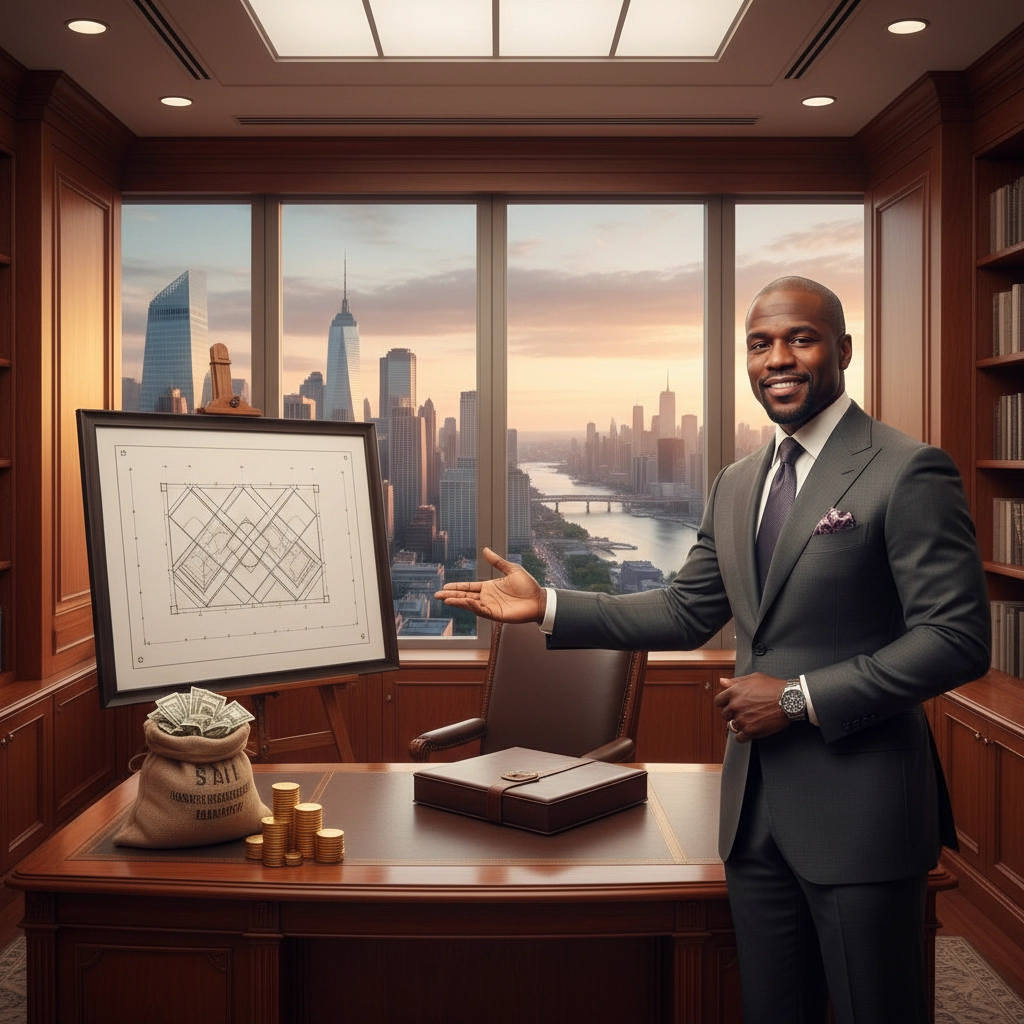
Once you control promotion, the next frontier is distribution. Mayweather understood that owning the promotional engine wasn’t enough unless you could plug it into powerful distribution channels. Rather than ceding control to broadcasters, he negotiated deals that preserved upside and expanded audience reach—partnering with premium networks for marquee fights while also experimenting with direct-to-consumer delivery for special events.
What you should notice about his media strategy is its pragmatism: he leverages traditional partners when they provide scale and guarantees, and he bypasses them when direct monetization yields more. This hybrid approach allowed him to capture the best of both worlds—broad exposure from established broadcasters and higher per-view revenue from restricted, premium offerings.
- Strategic exclusivity: For big-title bouts he aligned with premium networks that could market the event widely and bundle it into cable/satellite PPV packages—maximizing buys and sponsorship inventory.
- Direct monetization experiments: For exhibitions and non-traditional matchups he’s used paywalls, streaming partners, and bespoke platforms where revenue splits and pricing are more favorable.
- Content ownership: By retaining rights to fight footage, interviews, and behind-the-scenes content, he monetized beyond the event itself—licensing highlights, creating branded clips, and selling access to archival material.
For any athlete or promoter, the lesson is to think of media as an asset you can negotiate around, not a fixed cost. Push for content ownership, exploit multiple windows (live, replay, highlights), and pick distribution partners based on event type and pricing power.
Exhibitions and crossovers: the economics of spectacle
Mayweather turned exhibitions and crossover fights into a second career slice. These bouts—matched against celebrities, influencers, or fighters from other disciplines—are fundamentally different from championship contests: regulatory constraints vary, stakes are lower, and the primary product is entertainment. That lower friction lets you craft formats that maximize curiosity and impulse purchases.
From a commercial standpoint, exhibitions change the math in predictable ways. They broaden the audience to casual consumers who wouldn’t tune in for a traditional bout, generate earned media from novelty alone, and allow for looser promotional windows that keep marketing costs efficient. Mayweather used these features to mint paydays with shorter timelines and less risk to his competitive legacy.
- Audience expansion: Celebrity opponents bring their own fan bases—often younger and more digitally native—driving incremental PPV purchases and social buzz.
- Flexible economics: Exhibitions can be priced differently, sold on alternative platforms, or packaged with experience-based tickets (meet-and-greets, VIP hospitality) to boost per-head revenue.
- Lower regulatory overhead: Shorter fight lengths, exhibition rules, and negotiated insurance terms reduce the logistical and compliance burden, speeding time-to-market.
The playbook here is repeatable: identify non-traditional opponents with built-in audiences, create a narrative that invites casual buyers, and design a distribution strategy (live stream + PPV + highlight packages) that captures value across channels.

Capital deployment: investments, brand extensions, and calibrated risk
Generating large, irregular windfalls is one thing; preserving and growing that capital is another. Mayweather treated his earnings as operating capital to expand influence and create recurring revenue. He invested in ventures aligned with his lifestyle brand—hospitality, entertainment, and appearances—while using his promotional engine to cross-sell those properties.
His approach to capital deployment reveals two consistent themes: alignment and control. He favored investments that reinforced the “Money” lifestyle (clubs, VIP experiences, branded events) and kept a managerial role or revenue share rather than being a passive investor. That ensured both upside and influence over how his brand was used.
- Brand-aligned investments: Choose ventures that naturally extend your persona—these have lower customer acquisition costs because your brand already seeds demand.
- Cash-first mentality: Prefer transactions that deliver predictable cash flows (guaranteed purses, revenue splits, licensing fees) over speculative equity unless the latter offers strategic synergies.
- Risk calibration: Use ancillary income to smooth volatility. By diversifying into hospitality and paid appearances, you reduce dependence on event timing and PPV performance.
For entrepreneurs, the takeaway is clear: monetization should fund strategic investments that amplify your core brand. Keep control where it matters, monetize content and experiences repeatedly, and use short-cycle revenue to finance longer-term plays.
Beyond these strategic levers, the throughline is simple: control what you can, partner where it adds value, and experiment where asymmetrical upside exists. That requires a team fluent in media rights, event logistics, and brand partnerships—and a willingness to treat each fight or event as both a sporting contest and a commercial proposition. Execution, not just idea, separates occasional entrepreneurs from repeatable operators.
Turning strategy into sustained advantage
Control, optionality, and brand alignment form the tripod of Mayweather’s off-ring success. He built systems that let him choose distribution, price experiences, and deploy capital in ways that reinforced his persona while generating cash flow. For anyone looking to emulate elements of this model, the emphasis should be on building negotiating leverage, owning assets where possible, and making bets that complement your public profile rather than contradict it. For a sense of how a promotional business organizes around those principles, see Mayweather Promotions.
Frequently Asked Questions
How does Mayweather balance using traditional broadcasters with direct-to-consumer streaming?
He uses a hybrid approach: partner with broadcasters for scale on high-profile events to maximize buys and sponsorships, and use direct-to-consumer or bespoke platforms for exhibitions and niche matchups where higher per-view economics and tighter control are possible.
Why are exhibitions and celebrity crossovers financially attractive?
They expand the audience to casual viewers, lower regulatory and narrative risk, and allow flexible pricing and packaging (VIP experiences, short promotional windows). That combination reduces friction and raises the odds of strong, quick returns.
What investment principles did Mayweather follow with his fight earnings?
He favored brand-aligned, cash-generating investments where he could maintain influence—hospitality, events, and paid appearances—while using predictable revenue to fund longer-term plays. The focus was on alignment, control, and calibrated risk rather than speculative diversification.