
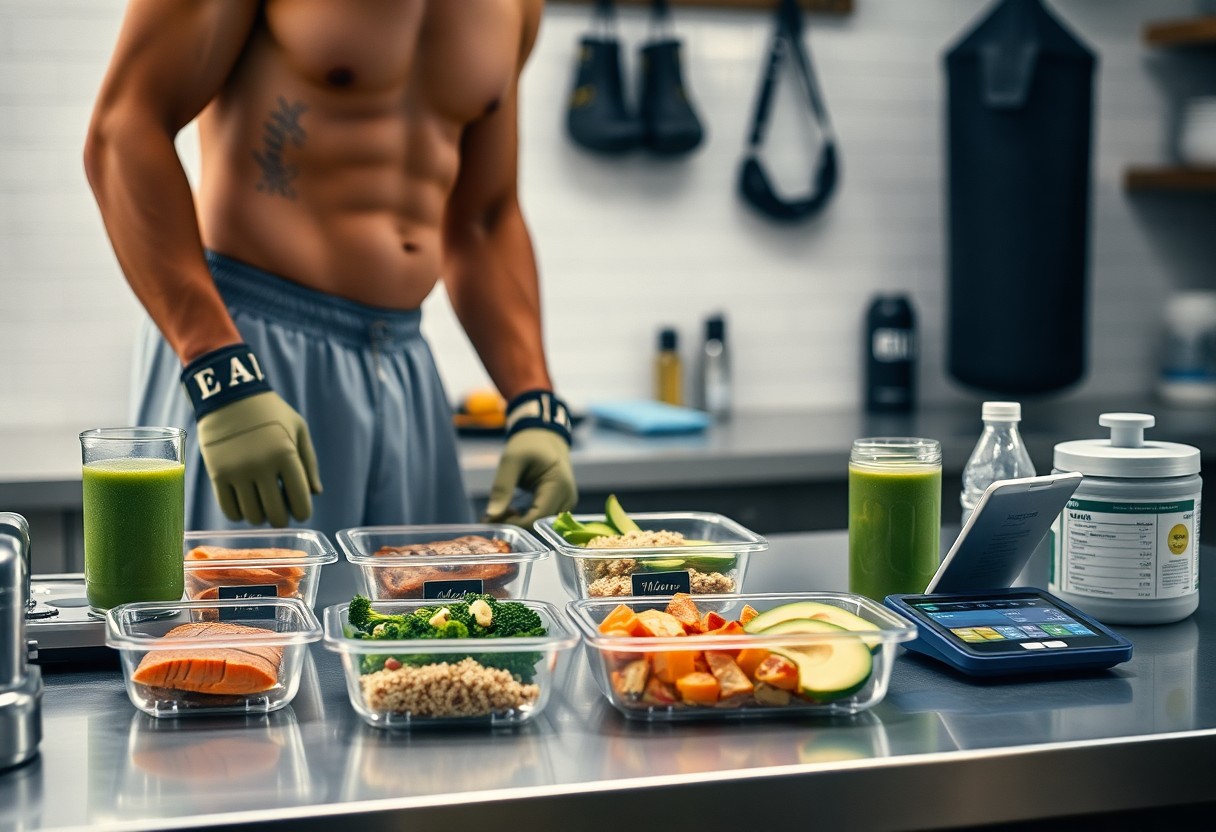
Modern Boxing Nutrition: What Today’s Fighters Eat To Stay In Peak Condition?
Over the last decade, sports nutrition has transformed how fighters fuel, cut, and recover; this guide distills evidence-based strategies: balanced macronutrients, periodized carbohydrates, and timed protein for muscle repair, plus hydration protocols and smart supplementation to enhance performance. It warns against extreme dehydration and rapid weight cutting that impair cognition and health, and highlights positive practices like whole-food fueling and recovery-focused meals to keep athletes in peak condition.
Types of Nutrition Plans
Fighters rotate between evidence-based templates: Periodized plans for training blocks, High-carbohydrate templates during intense camp, Low-carbohydrate or Ketogenic phases for metabolic adaptation, tactical Weight-cutting protocols pre-weigh-in, and Plant-forward approaches for inflammation control and micronutrient density.
- Periodized
- High-carbohydrate
- Low-carbohydrate/Ketogenic
- Weight-cutting
- Plant-forward
| High-carbohydrate | Used in peak training: 6-7 g/kg carbs to maximize glycogen and sparring output. |
| Low-carbohydrate/Ketogenic | Short blocks for metabolic flexibility; monitor power loss and recovery metrics. |
| Periodized | Adjusts macros by phase (base, peak, taper); common split: higher carbs in peak, higher fats in base. |
| Weight-cutting | Short-term strategies (24-72 hrs) include fluid and glycogen manipulation; rapid dehydration is dangerous. |
| Plant-forward | Emphasizes anti-inflammatory foods, higher fiber and antioxidants to support recovery and immune function. |
Macronutrient Distribution
During heavy camp many fighters target 55-65% carbs, 20-25% fat, and protein at 1.6-2.2 g/kg to support repair and maintain lean mass; lighter phases drop carbs to 30-40% and increase fats. Case studies show elite boxers consuming 6-7 g/kg carbs on peak days while holding protein near 2.0 g/kg improves power output and recovery.
Meal Timing and Frequency
Pre-workout meals 2-3 hours out often contain 30-50 g carbs and 20-30 g protein; quick snacks 30-60 minutes before can add 15-30 g carbs. For sessions >90 minutes use 30-60 g/hour intra-workout carbs, and post-session aim for 1.0-1.2 g/kg carbs plus 0.3-0.4 g/kg protein within 60 minutes to maximize glycogen and synthesis. Rapid dehydration before weigh-ins is dangerous and alters timing strategies.
Timing also shifts around weight cuts: fighters often front-load carbohydrates 48-72 hours pre-fight then adjust sodium and fluids to control mass while preserving performance. Sports dietitians recommend staged sodium and carbohydrate reintroduction-begin with easily digested 1.0-1.2 g/kg carbs in the first hour post-weigh-in, follow with 0.5-1.0 g/kg every 2-3 hours, and target ~30-50 mL/kg fluid across 24 hours with electrolytes to restore plasma volume. The staged refeed after weigh-ins prioritizes carbohydrates, fluids, and electrolytes to recover performance.
Essential Tips for Fighters
Small, targeted changes beat extreme swings: prioritize protein at 1.6-2.2 g/kg, cycle carbohydrates to 5-7 g/kg on heavy days, and keep fats ~20-30% of calories while tracking body composition with DEXA or calipers. Schedule refeed and recovery days, avoid saunas and hot baths for last-minute cuts since rapid dehydration impairs cognition and power, and use measured practice runs to fine-tune weight cuts. After, test strategies in a 14-day simulated camp before fight week.
- Protein: 1.6-2.2 g/kg/day
- Carbohydrates: 5-7 g/kg heavy days; 3-4 g/kg light days
- Hydration: weigh before/after to estimate sweat rate
- Recovery: 7-9 hours sleep; prioritize post-session protein + carbs
Hydration Strategies
Measure individual sweat rate (typical 0.5-2.0 L/hr): weigh before/after a session and divide fluid lost by time. Replace each kg lost with ~1.5 L fluid over 2-4 hours; during sessions sip 200-300 mL every 15-20 minutes and use drinks with ~300-700 mg/L sodium for electrolyte balance. Avoid severe fluid restriction: rapid dehydration reduces punch output and increases heat illness risk.
Supplement Recommendations
Evidence-based choices include creatine monohydrate 3-5 g/day (improves high-intensity output ~5-15%), beta-alanine 3.2-6.4 g/day for buffering, caffeine 3-6 mg/kg 30-60 min pre-session for alertness, fish oil 1-3 g EPA+DHA, and optional sodium bicarbonate 0.2-0.3 g/kg with GI testing. Use supplements proven in trials and trial them well before fight week.
Test all products using batch-certified labels (Informed‑Sport/NSF) to avoid contaminated supplements; creatine loading (20 g/day ×5-7 days then 3-5 g/day) raises intramuscular stores quickly but may cause ~1-2 kg water retention, beta-alanine requires 4+ weeks to raise muscle carnosine, and sodium bicarbonate needs gradual dosing to limit GI upset – always trial timing and dose in sparring, not on fight night.
Step-by-Step Meal Preparation
Batch-prep converts training periodization into consistent daily intake: spend 2-3 hours weekly to produce 10-14 meals, targeting 3-4 meals/day at ~400-700 kcal each. Prioritize a mix of 1.6-2.2 g/kg protein, 5-8 g/kg carbs during high-volume blocks, and micronutrient-dense produce. Use vacuum-sealing or airtight containers to extend freshness (refrigerate 3-4 days, freeze up to 3 months), and avoid undercooking proteins to prevent foodborne illness.
| Task | Example |
|---|---|
| Plan macros | Map weekly calories: e.g., 3,000 kcal/day = 3 meals + 2 snacks; proteins 1.8 g/kg for a 75 kg fighter. |
| Shop staples | Buy 1.5-2 kg chicken, 1 kg rice, 2 kg potatoes, frozen veg, Greek yogurt, nuts, olive oil. |
| Batch cook | Roast proteins, steam veg, cook grains; aim for 4× portion batches (200-300 g protein portions). |
| Portion & store | Weigh portions (±10 g), label with date, refrigerate ≤4 days, reheat to 74°C (165°F) before eating. |
Planning and Shopping
Start with a 7-day menu tied to training intensity: list proteins (1-2 primary sources), 2-3 carbohydrate options, and seasonal vegetables. Allocate budget for frozen and fresh: frozen broccolis and mixed berries cut waste and cost. Buy bulk grains (1-5 kg) and portion into 200-300 g servings. Include quick-replace items-bananas, rice cakes-for weight-cut windows, and pack a shopping list with quantities to hit macros precisely.
Cooking Techniques for Athletes
Favor methods that preserve nutrients and texture: sous-vide keeps proteins tender and consistent, steaming retains B-vitamins, and air-frying reduces added fats by ~50-80% versus deep frying. Sear for flavor but avoid prolonged charring to limit HCA/PAH formation. Use a probe thermometer for proteins-chicken to 74°C (165°F), pork to 63°C (145°F) with rest-to balance safety and performance-focused texture.
For weekly prep, combine techniques: sous-vide chicken at 65-68°C for 60-90 minutes then quick-sear for color; roast root vegetables at 200°C for 30-40 minutes to concentrate carbs; steam leafy greens briefly to preserve folate. Utilize marinades with acid and antioxidant-rich herbs to improve flavor and reduce harmful compound formation during searing. Reheat portions to 74°C and track storage dates to avoid spoilage.
Factors Influencing Nutritional Choices
Diet choices hinge on camp phase, body composition goals, and competition timing, with emphasis on macronutrients, hydration, and weight cutting. High-volume sparring weeks often push carbohydrate targets to 5-8 g/kg while taper phases reduce calories by 10-20% to fine-tune weight. Sports science testing (RMR, DEXA) guides precision adjustments and supplement selection like creatine or omega-3s. Assume that individualized data-driven plans outperform one-size-fits-all approaches.
- Training intensity
- Weight class
- Recovery needs
- Travel & sleep
- Age/physiology
Weight Class Considerations
Weight management balances performance and safe reduction; fighters typically aim for gradual fat loss of 0.5-1.0% bodyweight per week in camp using a 300-500 kcal daily deficit and maintain lean mass with 1.6-2.2 g/kg protein. Acute dehydration for weigh-ins (<2% loss) can be recovered, but losses >2% are dangerous, impairing power and cognition by measurable amounts; teams now prioritize staged rehydration and sodium replenishment to protect in-ring output.
Training Intensity and Schedule
High-intensity days demand 6-10 g/kg carbohydrate to replenish glycogen, while light skill sessions need 3-5 g/kg; most fighters perform 1-2 intense sessions plus strength work, so peri-workout protein of 20-40 g and 20-25 g leucine-rich sources supports repair and adaptation. Periodizing calories across microcycles avoids overtraining and sustains peak performance.
For example, a 70 kg pro on heavy sparring targets 6-8 g/kg carbs (420-560 g) and 1.8-2.2 g/kg protein (126-154 g); intra-workout carbs of 30-60 g/hr for sessions >75 minutes sustain intensity. Preventing >2% bodyweight dehydration with fluids and sodium is critical because greater losses reduce VO2 and cognitive speed, and immediate 20-40 g whey post-session maximizes muscle protein synthesis while lowering injury risk.
Pros and Cons of Popular Diets
Most fighters weigh trade-offs: rapid weight drops versus preserved high-intensity output. Low-carb/Keto (20-50 g carbs/day) speeds early weight loss but lowers glycogen and peak power, while high-carb templates (≈5-7 g/kg on heavy days) sustain sparring and recovery but complicate making weight. Mediterranean and flexible plans improve long-term health and adherence. Intermittent fasting simplifies intake but can disrupt peri-workout fueling; vegan plans need deliberate protein and micronutrient strategies.
Pros and Cons by Diet
| High-Carb | Pros: supports glycogen, high-intensity output; Cons: harder weight cuts, needs strict timing (5-7 g/kg on heavy days) |
| Ketogenic / Low-Carb | Pros: rapid weight loss, reduced appetite; Cons: reduced sprint and power output, low glycogen (<20-50 g/day) |
| Carb Cycling | Pros: aligns carbs with session demand, preserves performance on heavy days; Cons: complex meal planning, refeed overconsumption risk |
| Mediterranean | Pros: anti-inflammatory fats, stable energy; Cons: may require macro tweaks for weight-class needs |
| Vegan / Vegetarian | Pros: lower saturated fat, antioxidant-rich recovery; Cons: needs targeted protein (1.6-2.2 g/kg) and B12/iron planning |
| Intermittent Fasting | Pros: simplified calorie control; Cons: impaired peri-workout nutrition, possible reduced training quality |
| Paleo | Pros: whole-food focus, reduces processed intake; Cons: can be carb-restrictive for high-intensity work |
| Flexible / IIFYM | Pros: high adherence and psychological flexibility; Cons: risk of low-nutrient food choices without guidance |
| Low-Fat | Pros: easier calorie reduction; Cons: may limit necessary fats needed for hormones and recovery |
| Supplement-Focused | Pros: targeted deficits corrected (electrolytes, creatine); Cons: cannot replace poor whole-food intake, cost and safety concerns |
Keto vs. Carb Cycling
Short-term ketogenic approaches help tight weight cuts but typically limit carbs to 20-50 g/day, which impairs repeated-sprint and high-intensity outputs; carb cycling instead prescribes ~5-7 g/kg on heavy training days and 2-3 g/kg on light days, preserving sparring intensity while still allowing controlled refeed windows-combat camps often use carb cycling during heavy technical blocks and reserve low-carb phases only for final weight trimming.
Vegan and Vegetarian Options
Plant-based fighters can hit performance targets by targeting 1.6-2.2 g/kg protein, prioritizing leucine-rich sources (soy, lentils, pea protein) and supplementing B12, iron as needed, and creatine when possible; higher fiber improves health but may blunt appetite-meal timing and fortified foods keep peri-workout fueling effective for repeated rounds.
Practical tactics include 20-30 g protein servings across 4-6 meals (to reach totals), combining legumes with grains for a complete amino profile, using fortified cereals or nutritional yeast for B12, and considering 3-5 g/day creatine to offset lower baseline stores in vegetarians, while monitoring ferritin and adjusting oral iron or timing with vitamin C for absorption.
Adapting Nutrition for Recovery
Training intensity dictates recovery needs: on heavy sparring weeks raise carbohydrate intake to about 6-8 g/kg bodyweight to restore glycogen, keep protein at 1.6-2.2 g/kg to support repair, and include a 30-40 g slow-release protein before bed. Strategic calorie increases of 10-20% on peak days accelerate adaptation, while consistent electrolyte intake prevents performance losses from dehydration.
Post-Workout Nutrition
Refuel within 30-60 minutes of intense sessions: target roughly 0.8-1.2 g/kg carbohydrate in the first hour and 20-40 g complete protein (with ~2-3 g leucine) to stimulate synthesis; typical boxing formulas favor a ~3:1 carb:protein ratio. Include 300-600 ml fluid with sodium to restore plasma volume and speed recovery between same-day sessions.
Managing Fatigue with Food
Address fatigue by correcting iron and vitamin D status-iron-deficiency anemia (ferritin <30 ng/mL) lowers power output-and by using targeted ergogenic aids: nitrate-rich beetroot and acute caffeine (3-6 mg/kg) reduce perceived exertion, while omega-3s and balanced carbs stabilize energy. Avoid excessive caffeine (>6 mg/kg) due to sleep and cardiovascular disturbance risks.
Practical applications: test ferritin and supplement under medical guidance (men ~8 mg/day, premenopausal women ~18 mg/day baseline), take caffeine 45-60 minutes pre-workout, aim for 300-500 mg dietary nitrate for performance gains (roughly a serving of beetroot juice), and consider 1-3 g/day EPA+DHA plus vitamin D to keep levels in the 30-50 ng/mL range for optimal recovery.
To wrap up
Conclusively, modern boxing nutrition emphasizes individualized macronutrient periodization, precise hydration and electrolyte strategies, nutrient-dense whole foods, timely protein and carbohydrate intake for fueling and recovery, and evidence-based supplementation; fighters optimize weight management through gradual planning and professional guidance to sustain peak performance, resilience, and long-term health.
FAQ
Q: What macronutrient balance do modern fighters follow during intense training?
A: Fighters structure macronutrients around training load: carbohydrates are the primary fuel (roughly 5-8 g/kg/day during heavy training, lower on light days), protein supports repair and lean mass (about 1.6-2.2 g/kg/day, with higher intakes during calorie restriction), and fats make up the remaining calories (typically ~20-35% of total energy). Timing matters: a carbohydrate-rich meal 1-4 hours before intense sessions, 20-40 g high-quality protein and 0.5-1.0 g/kg carbohydrates after training to restore glycogen and stimulate muscle repair, and smaller protein-rich snacks spaced every 3-4 hours to sustain amino acids. Energy intake is adjusted to match training phase (surplus for strength building, maintenance during skill-heavy phases, modest deficit for gradual weight loss), and individualized plans account for weight class, body composition goals, and metabolic response.
Q: How do fighters manage pre-fight weight cuts while maintaining performance and safety?
A: Successful approaches prioritize gradual changes during camp and tactical adjustments close to fight week. During camp, aim for slow, consistent fat loss (about 0.5-1% bodyweight per week) via modest calorie deficits and preserved protein intake to protect muscle. In the final 7-10 days, many use carbohydrate manipulation and water-loading protocols under professional supervision rather than extreme caloric restriction. Acute dehydration methods (sauna, sweat suits, fluid restriction) are used by some in the last 24-48 hours but carry risks; any fluid/manipulation strategy should be supervised by a sports dietitian or physician. After weigh-in, rehydration and refueling are prioritized: consume electrolytes and ~1.5 L of fluid per kg of bodyweight lost in the first 2-4 hours, include 20-40 g protein and progressively larger carbohydrate servings to restore glycogen, and allow 12-24 hours for fuller recovery before competition when possible. Avoid banned diuretics and uncontrolled extreme measures; anti-doping compliance and medical oversight are crucial.
Q: Which supplements and recovery foods do fighters commonly use, and how should they be timed?
A: Common, evidence-backed supplements include: creatine monohydrate (3-5 g/day for strength and power), caffeine (3-6 mg/kg 30-60 minutes pre-fight or session for acute alertness and performance), beta-alanine (3-6 g/day for buffering during repeated high-intensity efforts), whey protein (20-40 g post-exercise), and omega-3s (1-3 g EPA+DHA/day for inflammation modulation). Vitamin D and a balanced multivitamin can address deficiencies; iron is used only if tests indicate low stores. Recovery foods emphasize a mix of carbohydrate and protein soon after training (e.g., chocolate milk, rice and chicken, yogurt with fruit; aim for ~0.3-0.4 g/kg protein and 0.5-1.0 g/kg carbohydrate). For soreness and sleep, tart cherry concentrate or casein before bed can be useful. All supplements should be third-party tested for purity to avoid contamination with prohibited substances and dosed according to established guidelines or under a sports nutritionist’s plan.
