Women In Modern Boxing: The Rise Of A New Generation Of Champions
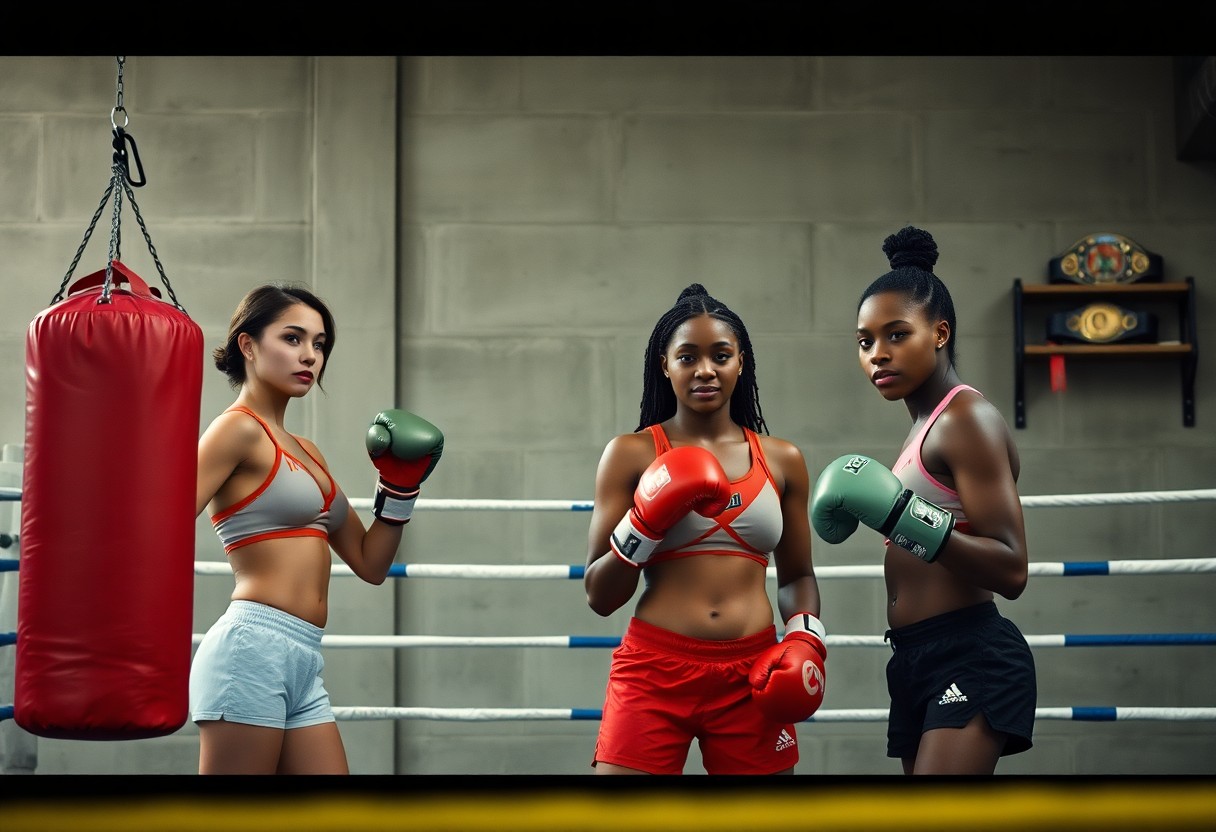
There’s a powerful shift as a new generation of female fighters combines explosive power, refined technique, and strategic intelligence to redefine the sport; this guide examines the growing visibility, professional pathways, and safety advances that shape modern competition while addressing the heightened physical risks and training demands these athletes face.
The Evolution of Women in Boxing
Early bouts and exhibitions gave way to formal exclusions in the early 20th century, forcing women into exhibition circuits and low-visibility events. Mid-century pioneers such as Barbara Buttrick kept the craft alive, and the sport’s mainstream turning point came in the 1990s with stars like Christy Martin and Laila Ali attracting televised attention and prompting commissions to reconsider licensing rules.
Modern Milestones
The sport’s profile rose decisively when women’s boxing debuted at the 2012 Olympics, with Nicola Adams, Katie Taylor, and Claressa Shields taking gold and proving global demand. Major sanctioning bodies now award female world titles across multiple divisions, broadcasters schedule primetime cards, and promoters increasingly place women in headline spots, shifting revenue and exposure patterns.
Concrete examples underline that shift: Katie Taylor went on to become an undisputed lightweight world champion, Claressa Shields is a two-time Olympic gold medalist (2012, 2016) who captured multiple pro belts, and the 2022 Katie Taylor vs. Amanda Serrano card headlined Madison Square Garden-a clear sign promoters and fans will support big-ticket women’s boxing events.
Types of Women Boxers
Styles vary widely: technical women boxers who control distance, pressure fighters who overwhelm opponents, heavy hitters who rely on power, counter-punchers who exploit mistakes, and versatile boxer-punchers who blend tactics. Examples include Katie Taylor as an out-boxer and Amanda Serrano as a multi-division power fighter; many elite pros adapt styles between fights to exploit matchups and rankings. Dangerous knockout power shifts outcomes quickly, while positive technical range extends careers.
- Out-boxer
- Swarmer/Pressure fighter
- Slugger/Power puncher
- Counter-puncher
- Boxer-puncher
| Out-boxer | Uses footwork and jab to score; examples: Katie Taylor. |
| Swarmer | Presses constantly, high punch volume; efficient in short range. |
| Slugger | Relies on one-punch power; higher KO percentage, shorter careers risk. |
| Counter-puncher | Waits for openings, capitalizes on mistakes; excels versus reckless opponents. |
| Boxer-puncher | Blend of technique and power; adaptable across weight divisions. |
Amateur vs. Professional
Amateur and professional pathways differ: amateurs prioritize tournament success (Olympics, World Championships) with short-format bouts and progression through national programs, while pros focus on extended rounds, championship belts from sanctioning bodies, and market-driven purses. Judges weigh volume and accuracy in amateurs more, whereas pros emphasize sustained damage and ring generalship; many fighters turn pro after medaling-Claressa Shields and Katie Taylor used Olympic success to launch lucrative professional careers.
Weight Classes and Categories
Women’s divisions span from light-flyweight to heavyweight, with major bodies recognizing roughly 12-15 classes; common pro limits include featherweight (126 lb), lightweight (135 lb), and welterweight (147 lb). Movement between classes affects power-to-speed ratios and ranking eligibility, and catchweights are used for marquee fights and negotiations.
Weight management involves strategic gains and cuts; some athletes jump multiple divisions to chase titles-Amanda Serrano has won world belts in seven divisions, illustrating the payoff. Teams must balance performance and safety because aggressive cuts can be dangerous, while successful moves often bring positive commercial and legacy outcomes. Knowing how fighters like Amanda Serrano have captured world titles across seven divisions underscores the strategic value of moving through weight classes.
Tips for Aspiring Women Boxers
Build a strong foundation with focused coaching, consistent sparring progression, and measurable goals: aim for 3-5 training sessions weekly, log technique via video, and prioritize recovery with at least 1-2 rest days. Work on transferable skills-footwork, jab, and defensive positioning-while tracking progress with simple metrics (rounds completed, punch accuracy). Knowing the sport carries risks like hand fractures and concussions, invest early in protective gear and graduated contact.
- Footwork
- Sparring
- Strength & Conditioning
- Nutrition
- Mental preparation
Training Techniques
Prioritize quality over volume: structure weeks with 3 technical sessions (shadowboxing, pad work, double-end), 2 strength sessions (compound lifts, plyometrics) and 1-2 controlled sparring days; for example, heavy-bag protocols of 6×3-minute rounds with 60s rest build power and endurance. Include specific drills-ladder footwork sets, 4-round interval sprint circuits-and monitor load to avoid overuse injuries like rotator cuff strain.
Mental Preparation
Use short daily practices: 10-20 minutes of visualization rehearsing fight scenarios, 5-minute breathing routines to lower arousal, and cue words to trigger focus between rounds; integrating a sports psychologist or coach for periodic reviews sharpens competitive mindset and reduces performance anxiety.
Expand mental work by creating structured scripts: write three fight-specific visualizations (opening, mid-fight adjustments, closing rounds) and rehearse each 5-10 minutes before sleep or training; employ performance cues (one-word anchors) to reset focus, plus objective metrics-pre-fight HR or reaction-time tests-to measure improvement. Regularly practice controlled breathing (box breathing: 4-4-4-4) and short mindfulness breaks during camps, and consider biofeedback or HRV tools to quantify stress response and optimize recovery for peak mental resilience.
Step-by-Step Guide to Starting in Boxing
Begin with a structured plan: target 3 sessions per week for the first 3 months, mix 30-45 minute cardio, technique and bag work, and expect measurable gains by month six; many amateurs reach competitive readiness in 12-24 months with consistent training and 1:6-1:8 coach-to-athlete ratios. Prioritize technique, progressive contact, and documented sparring policies to manage head injury risk.
| Step | Details |
|---|---|
| Assessment | Baseline fitness test: 1.5-3 km run, 3×3-min shadow rounds, mobility screen; set short-term goals (skill, weight class, competition). |
| Gear | Gloves 12-16 oz (sparring 16 oz), hand wraps, mouthguard, groin protector/boxer shorts, headgear for novice sparring. |
| Training Plan | Warm-up 10-15 min, technique 20-30 min, bag/mitt work 15-20 min, conditioning 10-15 min; progress to 3-minute rounds × 3-6. |
| Coaching | Seek certified coaches with amateur/pro experience; ideal class size 6-12; ask about concussion protocols and sparring oversight. |
| Progression | After 3-6 months add light sparring, video analysis, and strength sessions (2×/week). Consider an amateur bout once technique and control are consistent. |
Finding a Gym
Visit 3-5 gyms and evaluate coach experience, class sizes, and scheduling-typical memberships run $30-$100/month; prioritize facilities offering women-only sessions or evening classes if comfort and safety matter. Confirm coach credentials and a clear sparring progression; ask for a trial class and inspect equipment condition, ring availability, and first-aid/CPR policies to mitigate injury risk.
Developing Skills
Focus first on stance, jab volume, footwork, and defensive drills: aim for 200 jabs per session, 3×3-minute shadowboxing rounds, and 6-8 mitt rounds weekly. Use video feedback and targeted drills-partner slip drills, cone footwork patterns-and plan strength work twice weekly to build power and resilience; many boxers see measurable technique improvement within 3-6 months.
Drill specificity speeds progress: schedule 2 technique days, 1 sparring day, and 2 conditioning sessions per week. Incorporate HIIT (10-12 sets of 30s on/30s off), posterior-chain lifts (deadlifts, Romanian deadlifts) twice weekly, and deliberate recovery-sleep, hydration, and 1.6 g/kg protein intake-to sustain adaptation. Track punch counts, round intensity, and coach feedback; aim for controlled sparring before competitive entry and always use approved protective gear.
Key Factors Contributing to Success
Elite results hinge on focused coaching, deliberate training cycles and consistent competition exposure: many rising fighters follow 3-5 technical sessions weekly, combine 30-45 minute conditioning blocks and schedule structured sparring phases. Programs that pair technical work with strength/periodization and proactive medical screening accelerate progression; Olympic inclusion in 2012 amplified national support and talent pipelines. This interplay of high-quality coaching, funded resources and frequent competitive testing separates contenders from champions.
- Coaching – head coach, technical staff, strength & conditioning
- Training – volume, periodization, measured progression
- Sparring & Safety – monitored intensity, concussion protocols
- Nutrition & Recovery – individualized plans, sports science
- Funding & Facilities – gyms, equipment, travel support
- Competition Exposure – amateur circuits, pro cards, international bouts
Support Systems
Successful boxers often rely on multi-person teams: a head coach, assistant coaches, a strength coach, nutritionist and a sports psychologist; top athletes typically have 3-6 specialists coordinating training blocks and weigh-in strategies. National programs and local clubs provide logistical backing – arranging camps, medical checks and matchmaking – while effective management secures sponsorships and fight placement; proactive concussion protocols and ringside medical oversight reduce long-term risk and preserve careers.
Access to Resources
Access to well-equipped gyms, consistent sparring partners, modern performance testing and reliable funding directly affects development; since women’s boxing joined the Olympics in 2012 many federations expanded high-performance centers and travel grants. Visibility from broadcasters and sponsors has increased opportunities for paid fights, making facilities, funding and sponsorships decisive factors in moving from prospect to champion.
More granularly, elite centers now offer VO2 testing, video analysis, individualized periodization and recovery modalities (cryotherapy, physiotherapy), while promoters and broadcasters placing women on main cards has raised purses and exposure. National federations fund talent pipelines through 3-4 year Olympic cycles and regional championships, and clubs that provide steady sparring rotations and performance tech produce a higher rate of international medalists.
Pros and Cons of Women in Boxing
Pros and Cons
| Pros | Cons |
|---|---|
| Olympic inclusion since 2012 boosted global visibility and talent pipelines. | Persistent pay gap-only top names approach parity with male purses. |
| High-profile role models like Katie Taylor, Claressa Shields and Amanda Serrano inspire participation. | Uneven grassroots funding and fewer development programs in many countries. |
| Growing professional circuits and promotional interest across DAZN, ESPN and independent promoters. | Fragmented sanctioning bodies and limited televised slots reduce opportunities. |
| Technical evolution: faster pace and diverse styles increasing spectator appeal. | Medical risks remain significant-head trauma and extreme weight cutting are ongoing concerns. |
| Brands increasingly sponsor women’s cards, improving marketing and coverage. | Media bias often allocates prime-time coverage to men’s divisions. |
| Crossover events draw mainstream audiences and larger purses for headline fighters. | Judging controversies and matchmaking issues can stall careers and credibility. |
| Top champions now command six-figure purses and international recognition. | Majority of professionals still face low fight-to-fight earnings and unstable contracts. |
| Clear amateur-to-pro pathways exist in many nations, expanding talent pools. | Social and cultural barriers still limit female participation in some regions. |
Advantages of Participation
Olympic inclusion in 2012 and the rise of stars like Katie Taylor and Claressa Shields created visible career paths: amateurs can now turn pro, secure sponsorships, and headline cards; top fighters frequently earn six-figure purses and global recognition, while grassroots programs report increased female enrollment and coaching resources in countries with strong federations.
Challenges Facing Female Boxers
Many fighters still confront limited fight opportunities, lower average purses, and fewer televised nights; promoters often prioritize male cards, and fragmented sanctioning means inconsistent title clarity-combined with ongoing judging disputes, this creates unstable career trajectories for all but the most marketable athletes.
Addressing these issues requires systemic change: expanded investment in amateur development, standardized medical protocols to mitigate head injury and weight-cutting risks, equitable broadcast deals, and promoter commitments to build deeper women’s divisions so that rising talents can earn sustainable incomes beyond a handful of headline names.
Final Words
As a reminder, the rise of a new generation of women champions reflects sustained investment in training, expanded media exposure, improved governance, and evolving public attitudes; these developments have professionalized the sport, widened pathways for talent, and set higher technical and commercial standards, ensuring women’s boxing will continue advancing competitive excellence and global recognition.
FAQ
Q: What factors have driven the recent rise of a new generation of women champions in modern boxing?
A: The rise reflects a combination of increased visibility, institutional support and evolving cultural attitudes. Olympic inclusion and expanded amateur pathways have produced more elite talent, while professional promoters and streaming platforms have created commercial opportunities and wider audiences. Improved coaching, sports science and access to strength-and-conditioning programs have closed the performance gap, and prominent role models have inspired participation at grassroots levels. Social media has amplified individual stories and allowed fighters to build personal brands independent of traditional gatekeepers.
Q: How do training methods and fighting styles among top female boxers differ from previous eras?
A: Contemporary female boxers benefit from integrated, data-driven training that combines technical skill work, individualized strength and conditioning, nutrition and recovery protocols. There is greater emphasis on speed, mobility and volume sparring tailored to each weight class, while modern coaching applies analytics, video breakdowns and periodized plans. Tactical diversity has increased-fighters display a wider range of southpaw/orthodox switching, inside fighting and counterpunching strategies-reflecting higher coaching standards and international competition exposure. Mental skills training and professional support teams (cutmen, dietitians, sports psychologists) are more common than in earlier eras.
Q: What challenges remain for women’s boxing and what does the future look like for emerging champions?
A: Persistent challenges include uneven pay, limited main-event slots on major cards, and fragmented sanctioning that can complicate title recognition. Media bias and fewer long-term sponsorship deals for women still limit earning potential compared with many male peers. However, trends are positive: cross-promotional matchmaking, investment from major promoters, growing international talent pools and better medical and safety standards point to expanding opportunity. Continued advocacy for equitable promotion, investment in grassroots programs and consistent media coverage will determine how quickly emerging champions can achieve parity in recognition and compensation.