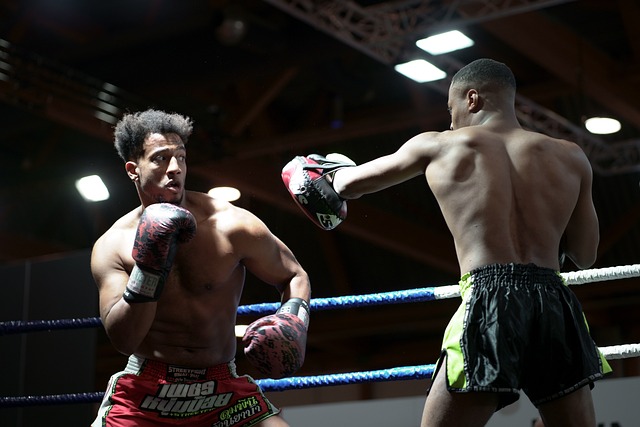
Floyd Mayweather Jr. — A Complete Career Retrospective
How Floyd Mayweather Jr. moved from Olympic success to professional expectations
You begin any serious study of Floyd Mayweather Jr. by looking at how quickly the boxing world pinned high expectations on him. Born into a boxing family in Grand Rapids, Michigan, Mayweather combined early exposure to the sport with an elite amateur résumé that culminated in an Olympic bronze medal in 1996. That Olympic success made you—and millions of others—expect something special when he turned professional later that year.
Understanding Mayweather’s early trajectory helps you see why his later achievements felt both inevitable and controversial. In this part, you’ll examine the formative influences, the amateur foundation, and the first key professional milestones that defined his rise.
Family roots, amateur pedigree, and what shaped his boxing identity
You will notice that Mayweather’s story is inseparable from his family’s boxing culture. His father, Floyd Mayweather Sr., and his uncle, Roger Mayweather, were both experienced fighters and trainers who immersed him in technique, discipline, and the business realities of the sport. That environment gave you a model of boxing as both craft and livelihood.
In the amateur ring, Mayweather developed traits that would become his trademarks in the pros:
- Exceptional defensive instincts: you’ll spot the beginnings of his shoulder roll and lateral movement in amateur footage.
- Speed and timing: his hand speed and reflexes allowed him to dominate quick exchanges and counterpunch effectively.
- Tactical versatility: early on he learned to adapt to different opponents and styles, a skill that later helped him move through weight classes.
The highlight of his amateur career—the bronze medal at the 1996 Atlanta Olympics—served as a public credential. For you as a reader, that achievement explains why promoters and pundits were impatient to see how he would translate amateur success into professional payoffs.
Turning pro and the first professional milestones that built his reputation
When Mayweather turned professional in 1996, you had to adjust from watching him in the point-scoring amateur format to evaluating his potential in longer, high-stakes pro bouts. The transition demanded refinements in pacing, power, and ring IQ. Mayweather adapted quickly: within two years he captured his first world title, and that early success signaled his capacity to dominate multiple divisions.
His first major professional title came in 1998, when he won the WBC super featherweight crown. That victory told you two important things about Mayweather’s trajectory:
- He could translate amateur technique into pro effectiveness without losing his defensive emphasis.
- He was capable of handling the psychological pressures of championship fights—media scrutiny, higher-caliber opposition, and the business side of boxing.
During these early years you also saw the development of his public persona. The “Pretty Boy” nickname reflected a focus on defense and ringcraft that minimized visible damage. Over time, as his pay-per-view draws and earnings grew, a harder-edged “Money” persona would emerge—but in the opening chapters of his career the emphasis was clearly on mastery of fundamentals.
Early strategies and lessons from the ring
From a technical perspective, these formative pro years reinforced the following patterns that you will see throughout his career:
- Ring generalship: controlling distance, tempo, and angles to make opponents fight on his terms.
- Defensive economy: using subtle footwork and the shoulder roll to neutralize power and conserve energy.
- Selective aggression: choosing moments to attack that maximized scoring while minimizing risk.
These features helped him compile an undefeated record that, in the early stages, was built not only on athletic gifts but also on careful matchmaking and strategic career management. You should note how his team navigated weight-class moves and title opportunities to steadily build his résumé without exposing him to unnecessary risk.
With the foundation of his amateur success and the credibility of early world titles in place, you’re ready to move into the period where Mayweather evolved from a promising champion into a multi-division superstar—exploring his major championship campaigns, the signature fights that defined him, and how his style adapted as the stakes rose.

The multi-division campaigns that cemented his legacy
As you follow Mayweather beyond the early title years, what becomes clear is that his career is organized around deliberate climbs through weight classes. Instead of chasing brawls for bravado, he pursued titles in sequence—super featherweight, lightweight, light welter, welter, and beyond—each move chosen to test a new set of skills and to expand his commercial reach. The result for you as an observer is a résumé that reads like a map of modern-era championship opportunism: selective, strategic, and ruthlessly efficient.
These campaigns did more than add belts to his name. They demanded technical adjustments. Moving up required Mayweather to translate his defensive economy against larger, often stronger opponents. You’ll notice how he retained the same core tools—jab, shoulder roll, lateral movement—but altered timing, range, and frequency of engagement. Against smaller foes he could rely on flicker-fast counters; against naturally bigger men he emphasized position, feinting, and scoring off sustained body-jab work. That adaptability explains why he could claim world titles across multiple divisions without a single prolonged losing streak.
Importantly for your understanding of his legacy, those championship runs were also career-building exercises. Each successful weight jump increased his bargaining power—bigger names, bigger purses, and increasingly global audiences. The belts were both sporting milestones and leverage points in a career that married in-ring excellence to out-of-ring acumen.
Signature fights that doubled as tactical masterclasses
When you study Mayweather’s greatest fights, you should treat them as case studies in problem-solving. Some bouts are famous for drama; many are famous for subtlety. A few moments to focus on:
- Controversial but clarifying rematches: His two fights with a dangerous lightweight rival in 2002 (the first widely debated, the rematch more decisive) reveal his capacity to analyze an opponent’s strengths and correct course. You can see how he tightened defense, changed angles, and controlled exchange patterns in the second meeting.
- Steps into the mainstream: The “superfight” against a crossover megastar in 2007 forced Mayweather to do more than outbox an elite rival—he had to win the court of public opinion. He did so by combining pinpoint counters, a disciplined jab, and pacing that sapped his opponent’s offense over twelve rounds.
- Tests of grit and judgment: Matches against rugged, come-forward fighters in the mid-2000s and early 2010s (a hard-hitting Irishman, seasoned Mexican veterans, and determined domestic contenders) show how Mayweather balanced calculated aggression with avoidance. In certain controversial or close contests you witness his willingness to prioritize victory and career preservation, even when crowd expectations demanded fireworks.
- Late-career global spectacles: The long-negotiated showdown against a Filipino icon in 2015 is a textbook example of Mayweather’s matchmaking and in-ring discipline working together. Against a feared offensive force, he neutralized big moments through timing, defensive framing, and clinch control. A subsequent crossover bout with a star from mixed martial arts ended by stoppage and underscored how he could still impose his will when circumstances allowed a more decisive finish.
Each of these signature fights matters because they illustrate an overriding truth: Mayweather rarely sought to prove he was the hardest hitter or the flashiest fighter. He sought to prove he could implement a plan better than anyone else, round after round, in games where the stakes were as much career-defining as they were monetary.
How his style evolved as the opposition and stakes changed
From the vantage point of the middle and later chapters of his career, you can track several clear evolutions in his in-ring approach. Early on, his offense was more frequent and flashy; as the level of opposition and the commercial stakes rose, he became more conservative and surgical. That conservatism is not timidity—it’s strategic refinement.
Key elements of that evolution you should watch for include:
- Round management: rather than hunting spectacular knockouts, he learned to harvest rounds, using sharp, scoring shots to build insurmountable leads on judges’ cards.
- Selective engagement: against toughness-first opponents he accepted exchanges on his terms—short bursts of offense followed by lateral exit—reducing injury risk and preserving longevity.
- Psychological control: his feints, verbal games, and ring positioning were designed to frustrate opponents and disrupt their rhythm, a tactic especially effective in multi-fight rivalries where mental edges compound.
For you as a reader, these shifts explain both the praise and the frustrations that follow Mayweather. Admirers point to the tactical intelligence and unfailing execution; critics argue that risk avoidance sometimes muted drama. Both views are accurate, but what matters to his career retrospective is that his evolution was intentional—an applied strategy that turned technical skill into sustained supremacy and, ultimately, into an unparalleled business model in modern boxing.
Legacy and lasting influence
Mayweather’s career closes not as a neat epilogue but as an ongoing prompt to the sport: what does excellence look like when measured in rounds won, pay-per-view buys, and unbeaten records rather than highlight-reel knockouts? His approach reshaped expectations for defensive mastery, matchmaking as career management, and the value of controlling a fighter’s public narrative. Those who study boxing now examine scorecards and balance sheets alongside combinations and counters.
His influence extends beyond technique. Fighters and promoters learned from the way he monetized brand, pace, and spectacle, turning individual bouts into global events. That business template—combined with an insistence on tactical precision in the ring—will shape training, promotion, and debate in boxing for years to come. For a deeper, concise reference on his career milestones and public profile, see More on Mayweather’s career at Britannica.
Whatever your view of his style or showmanship, Mayweather’s career leaves durable lessons: the art of meticulous preparation, the power of strategic adaptation, and the undeniable fact that boxing rewards those who can win consistently on their own terms.
Frequently Asked Questions
How many weight divisions did Floyd Mayweather Jr. win world titles in?
Mayweather won world titles across multiple divisions during his career; he is widely recognized as a five-division world champion, moving deliberately through weight classes to test skills and expand his market.
What defensive techniques defined Mayweather’s style?
His signature tools included the shoulder roll, a sharp, active jab, lateral movement, feinting, and selective engagement—techniques that prioritized scoring and avoidance of prolonged damage over seeking knockouts.
Why did some observers criticize Mayweather despite his success?
Criticism often focused on his risk-averse tactics, selective matchmaking, and a tendency to favor tactical preservation of his record over delivering high-drama fights. Supporters counter that those choices reflect strategic intelligence and professional longevity.

Related Posts

Floyd Joy Mayweather: The Rise of a Boxing Legend