Floyd Mayweather Successes: How He Built an Unbeatable Brand
Why Floyd Mayweather’s Brand Is a Playbook You Can Apply
You don’t have to be a boxer to learn from Floyd Mayweather. When you study his career, you see a deliberate set of choices that turned sporting success into a consumer-facing, highly profitable brand. Mayweather crafted an image that communicated value, rarity, and superiority — and then he protected and monetized those signals relentlessly. Understanding the mechanics behind that process helps you spot the repeatable moves you can use in your own career or business.
At the heart of Mayweather’s approach is a clear distinction between performance and perception. You’ll notice that he treated his in-ring record, his public persona, and his business arrangements as interconnected assets. Each fight was not just a sporting event but a marketing moment, an opportunity to reinforce the message that his product — Mayweather — was premium and in demand. That shift from athlete to brand-owner is what makes his story relevant beyond boxing.
What makes his brand so resilient and recognizable
- Clarity of message: The “Money” persona and the TBE (The Best Ever) positioning created an immediately understandable promise: exceptional skill and exceptional earnings.
- Consistent signaling: Lavish lifestyle choices, ring entrances, and controlled media appearances reinforced the same premium message every time.
- Control of distribution: He didn’t just fight; he organized how fights were sold and who profited. That control amplified his leverage.
- Scarcity and timing: He chose fights and promotions to maximize anticipation and price, turning each event into a must-see spectacle.
Early Actions That Laid the Groundwork for a Dominant Brand
If you want to replicate parts of Mayweather’s playbook, start by looking at his early strategic choices. Before the flashy lifestyle and record-setting paydays, he made foundational moves that established authority and allowed him to own later opportunities.
Develop unmatched craft and protect the core product
You’ll notice Mayweather invested obsessively in the product that would carry the brand: his boxing skill. From his amateur Olympic experience to the early professional years, he refined defensive mastery, ring IQ, and conditioning. That mastery delivered consistent results in the ring, which made his marketing credible. Without the undefeated record and undeniable skill, promotional claims would have ringed hollow.
For you, the parallel is simple: establish an unimpeachable core offering first — whether that’s a service, a product, or your professional expertise — and make sure it consistently delivers. Mayweather’s early wins created the permission to charge premium prices later.
Build structures that give you leverage and protect margins
Very early on, Mayweather moved toward control. He recognized that promoters, broadcasters, and networks were gatekeepers who could capture most of the upside. By founding his own promotional entities and assembling a team that managed negotiations and distribution, he reclaimed a larger share of revenue and the narrative around his fights.
- Vertical integration: Owning promotion and marketing channels reduced his reliance on third parties and increased negotiating power.
- Branding before scale: He cultivated The Money Team (TMT) identity as a cohesive consumer proposition long before reaching his biggest financial peaks.
- Selective scarcity: He avoided diluting the product by limiting appearances and taking fights on his own terms, which preserved demand.
These early structural choices let Mayweather convert athletic dominance into business dominance. You can mirror this by owning more of the value chain in your work — whether that means controlling product distribution, building direct-to-customer channels, or protecting intellectual property.
Having established mastery and created the channels to monetize it, Mayweather was ready to scale his brand into mainstream cultural currency. In the next section, you’ll see how he turned that foundation into megabucks by controlling media narratives, pricing pay-per-view events, and leveraging blockbuster matchups to expand reach and revenue.
Commanding the Media Narrative and Manufacturing Spectacle
Once Mayweather had product and platform, he turned publicity into a precision weapon. He understood that headlines, interviews, and social media were not just publicity — they were levers that set expectations, created urgency, and justified premium pricing. He treated every press conference, roast, and Instagram post as a mini-marketing campaign designed to reinforce the “Money” narrative: exclusivity, dominance, and spectacle.
That control looked deliberate. He cultivated controversies when they helped demand (trash talk, polarizing statements), and he withdrew when silence protected mystique. He picked moments that would trend — theatrical ring walk-ins, luxury flanked photo shoots, and pointed public calls to opponents — and used them to extend the lifecycle of a fight far beyond the thirty-six minutes in the ring. Media became an amplifier, not an afterthought.
How to apply this:
- Design your story arcs: Plan a sequence of media moments leading up to a launch or product release so anticipation compounds rather than spikes and fades.
- Be strategic with controversy: Provocation can cut through noise, but use it to spotlight value, not to distract from weak fundamentals.
- Own your channels: Use direct channels (email, your own social accounts, newsletters) to control tone and timing — third-party outlets should augment, not replace, your narrative.
Monetization Mastery: Pay-Per-View, Pricing, and Blockbuster Matchups
Mayweather’s financial genius was not just charging more — it was structuring events so audiences felt they were paying for something rare and essential. He turned fights into single-purpose commodities where price signaled prestige. Pay-per-view worked because it aligned price with exclusivity and created an all-or-nothing purchase decision: be part of this cultural moment or miss it.
Beyond price, he stacked fights to widen appeal. The matchups were calculated: sometimes sport-first (undisputed legacy fights), sometimes spectacle-first (crossover events like the bout with a high-profile MMA star), but always chosen for maximum reach. When you pair scarcity with cross-category curiosity, you expand your market without devaluing core fans.
Concrete moves you can adapt:
- Price for identity: Don’t always compete on lowest price. A premium price can attract customers who want status and trust — provided the product and experience match that promise.
- Package strategically: Offer tiered experiences (basic access, premium, VIP) so consumers self-select based on how much they value the event or product.
- Create crossover opportunities: Collaborate with partners from adjacent industries to expose your brand to new audiences without diluting your core message.
Extending the Brand: Partnerships, Spin-offs, and Protecting the Franchise
After proving the concept, Mayweather multiplied revenue streams. He licensed merchandise, developed The Money Team lifestyle into clothing and appearances, and sold himself as a guaranteed attention magnet to partners. But extension was guarded — every partnership had to reinforce the brand’s premium message. Quick cash for a mismatched endorsement would have eroded the central signal of exclusivity.
Equally important was risk management. He managed reputational risk with a disciplined public calendar, legal counsel for contract control, and a team that filtered opportunities. Protecting the brand meant avoiding overexposure and steering away from deals that could trivialize his status. In short, expansion was always accompanied by criteria that preserved brand equity.
Steps for business owners:
- Expand with filters: Create a simple rubric before entering partnerships — does this partner enhance credibility, reach, or margins?
- Spin-off smartly: Convert core elements of your brand into new revenue lines (merchandise, events, licensing) but keep them aligned with the original promise.
- Insure your reputation: Build contractual safeguards and a gatekeeper process for public appearances or endorsements so short-term gains don’t create long-term liabilities.
Mayweather’s playbook is not merely about owning the scoreboard; it’s about sequencing moves so each step enhances the next. In the following section, we’ll examine how he protected his legacy as “The Best Ever” while navigating risk and turning longevity into continued profit — and what that longevity means for anyone looking to build an unbeatable brand.
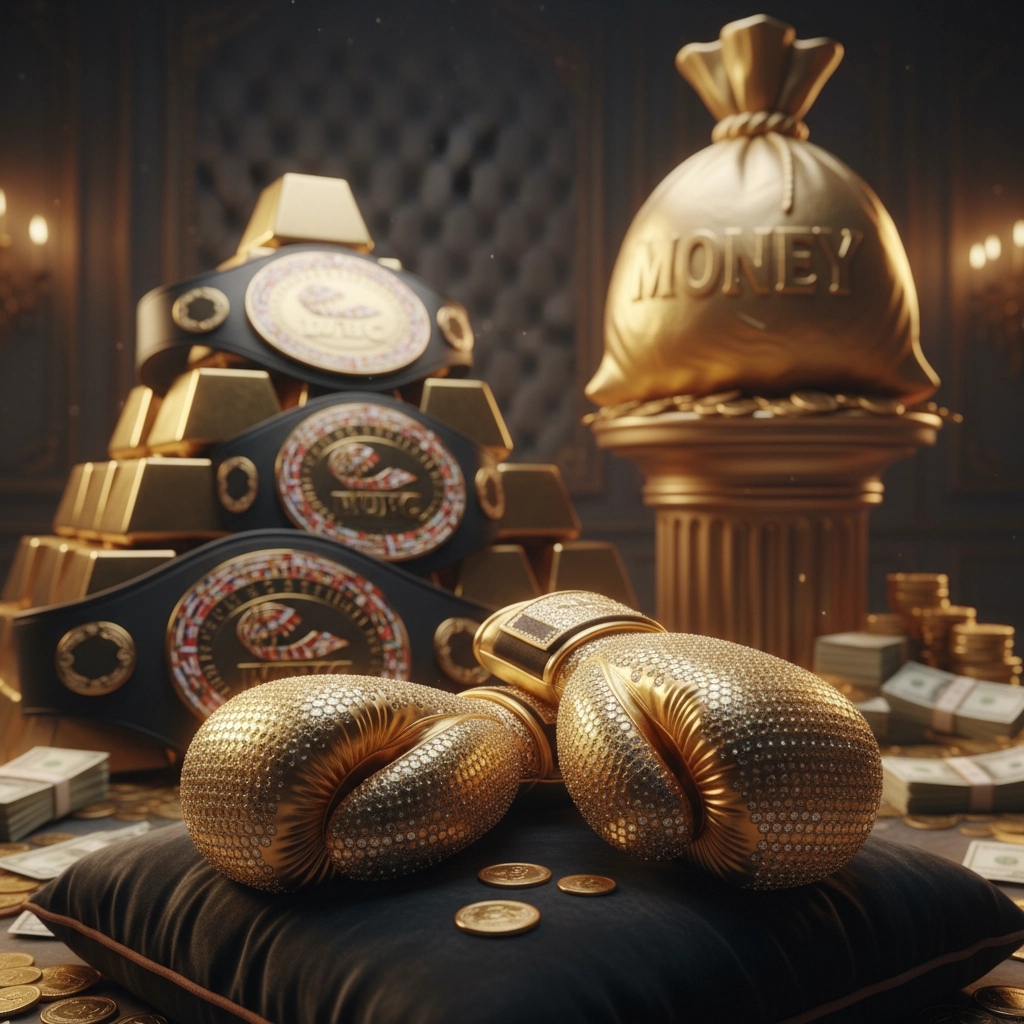
Legacy, Risk, and Longevity
Mayweather’s durability as a brand came from treating longevity as an operational plan rather than a lucky outcome. He scheduled scarcity, monetized milestone moments, and built legal and managerial systems that made comebacks and extensions profitable instead of reckless. That discipline turned one-time spectacles into a continuing franchise without eroding perceived value.
- Set rules for exposure: decide how often you’ll release headline moments so scarcity retains impact.
- Create contractual guardrails: use agreements to protect brand use, image rights, and partner behavior.
- Monetize milestones, not just products: celebrate anniversaries, retrospectives, and limited drops that tap nostalgia and prestige.
These practices convert a powerful moment into an enduring asset. The point isn’t to imitate every tactic but to adopt the underlying frame: design for the long game, not just the next spike.
Finishing Strong: Applying the Blueprint
If there’s one practical takeaway, it’s this: build deliberately. Design scarcity into your calendar, price to reflect identity, control the channels that carry your story, and protect the franchise with clear gates and legal safeguards. Start by testing one high-impact element — a premium offering, a staged media moment, or a filtered partnership — and measure whether it enhances perception and margin. For further reading on how top earners structure their business strategies, see Mayweather’s business profile on Forbes.
Frequently Asked Questions
How did Mayweather use media to drive pay-per-view buys?
He treated every media appearance as part of a campaign: creating controversy to generate attention, staging theatrical moments to increase shareability, and using direct channels to set expectations. This made each fight feel like a must-see cultural event rather than a simple sporting contest.
Can small businesses realistically adopt Mayweather’s premium-pricing approach?
Yes. The core idea is to price for identity and perceived value, not just cost. Small businesses should ensure the customer experience, product quality, and brand signals support a premium price and can introduce tiered options so different customers self-select.
What are the main risks when extending a personal brand into partnerships and merchandise?
The largest risks are overexposure, dilution of the central promise, and misaligned partners that harm credibility. Mitigate these by applying a simple partnership rubric, using contractual protections, and limiting the cadence of extensions so each release retains meaning.