Mayweather vs Pacquiao: Inside the Fight That Shook Boxing
When two eras finally collided: why you felt the wait
You lived through more than a boxing match when Floyd Mayweather Jr. and Manny Pacquiao met on May 2, 2015 — you witnessed the culmination of a decade-long narrative. For years you watched both men climb, dominate, and define separate chapters of the welterweight and junior middleweight divisions. You also watched a feud of circumstances: failed negotiations, promotional disputes, and questions about timing that turned anticipation into frustration.
This was not simply two elite athletes sharing a ring; it was the clash of distinct legacies. Mayweather arrived with a record of immaculate defense, technical mastery, and an undefeated streak that had become as much a brand as a statistic. Pacquiao carried the momentum of explosive offense, relentless forward movement, and the charisma that galvanized an international following. When you heard the fight was finally signed, you understood that this bout would answer stylistic questions and settle, at least in the public eye, who belonged at the top of a generation.
How the fight became the fight: negotiating a global spectacle
To understand the bout itself, you need a sense of the backstory. The path to Mayweather vs Pacquiao was paved with stalled negotiations and complicated boxing business. Promoters, broadcast rights, medical clearances, and rematch clauses created barriers that kept you waiting. Each failed attempt to sign the contract only raised the stakes and inflated the mythology surrounding the prospective showdown.
- Promotional roadblocks: Mayweather operated largely within his own promotional structure, while Pacquiao had ties to different promoters, creating conflicts over purse splits and promotional control.
- Television and pay-per-view leverage: Networks and pay-per-view distributors haggled over revenue shares, meaning each side timed their concessions to maximize earning potential.
- Timing and career arcs: Both fighters carried decades of wear and tear; timing arguments centered on whether the meeting would occur while both were still at peak physical capacity.
When the contract was finally signed in early 2015, the fight’s business model became part of the spectacle. You paid attention not only to the fighters’ training camps but to the prize purse, the record-setting pay-per-view projections, and international broadcast plans — all elements that turned a sporting event into a global entertainment product.
What you needed to know before the bell: styles, records, and expectations
Before the opening bell, you were presented with a simple but critical set of questions: What would each man bring stylistically? Which physical and tactical advantages mattered most? And how would age, activity level, and recent competition inform the outcome?
Looking at the basics clarified the narrative. Mayweather entered the ring unbeaten, renowned for his shoulder roll defense, impeccable timing, and ability to control distance. Pacquiao, a southpaw with explosive hand speed and a constantly advancing attack, had an arsenal of power punches and a track record of dismantling opponents with pressure and volume.
- Floyd Mayweather Jr.
- Style: Counterpuncher, defensive maestro, excellent ring IQ.
- Record going in: Undefeated, multiple weight-class titles.
- Key strengths: Footwork, defense, shot selection, and experience managing high-pressure fights.
- Manny Pacquiao
- Style: Aggressive southpaw, rapid combinations, high work rate.
- Record going in: Numerous championship wins across weight classes, known for knocking out elite opponents.
- Key strengths: Angles, punch volume, power to multiple parts of the head and body.
Experts and fans debated likely scenarios. You were told to watch how Mayweather would neutralize Pacquiao’s angles, whether Pacquiao’s speed could upset Mayweather’s timing, and how each man’s stamina would hold up over twelve rounds. Much of the pre-fight chatter centered on two core uncertainties: could Pacquiao close the distance without absorbing major counters, and could Mayweather force Pacquiao into a patient, lower-volume fight?
Training camps provided more fodder for predictions. You followed footage of sparring, changes in weight and conditioning, and the presence of notable trainers and allies. These details suggested adjustments and emphasized priorities: Mayweather focused on timing and defensive rhythm; Pacquiao emphasized endurance and combinations designed to break down an opponent over time.
Public perception and the pressure on fight night
Public expectations shaped the narrative you consumed. For many, this was not merely a sporting contest but a cultural event that would settle “greatest of a generation” debates. Pay-per-view numbers, celebrity attendance, and media coverage added pressure that influenced how each fighter approached the event. You understood that beyond the ropes, there were reputations, legacies, and commercial interests riding on every round.
With the battlefield set and both men physically primed, the stage was ready — but what happened once the bell rang would hinge on subtle adjustments, round-to-round strategy, and the psychological edge each champion carried into the ring. In the next section, you’ll step through fight night itself: the opening rounds, tactical shifts, and pivotal moments that determined the bout’s trajectory.
Round-by-round turning points: how the opening rounds set the tone
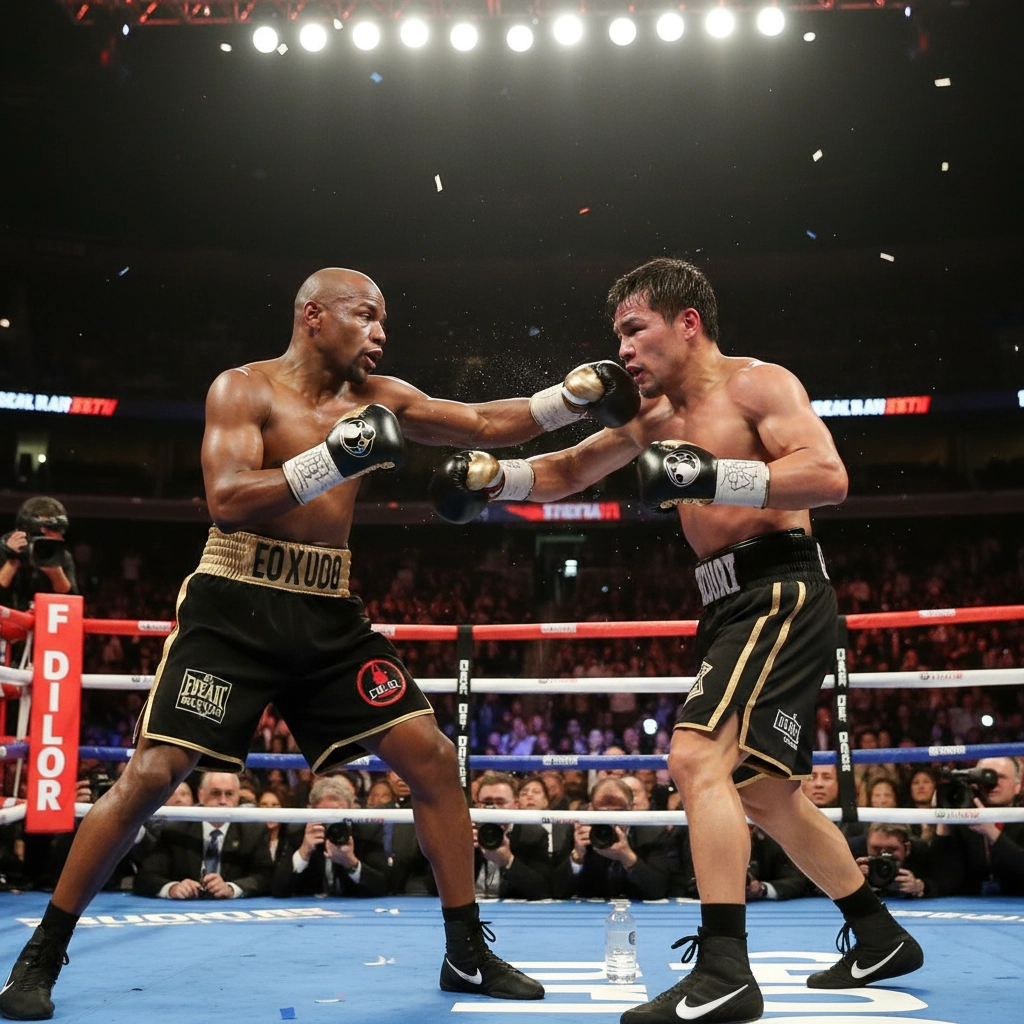
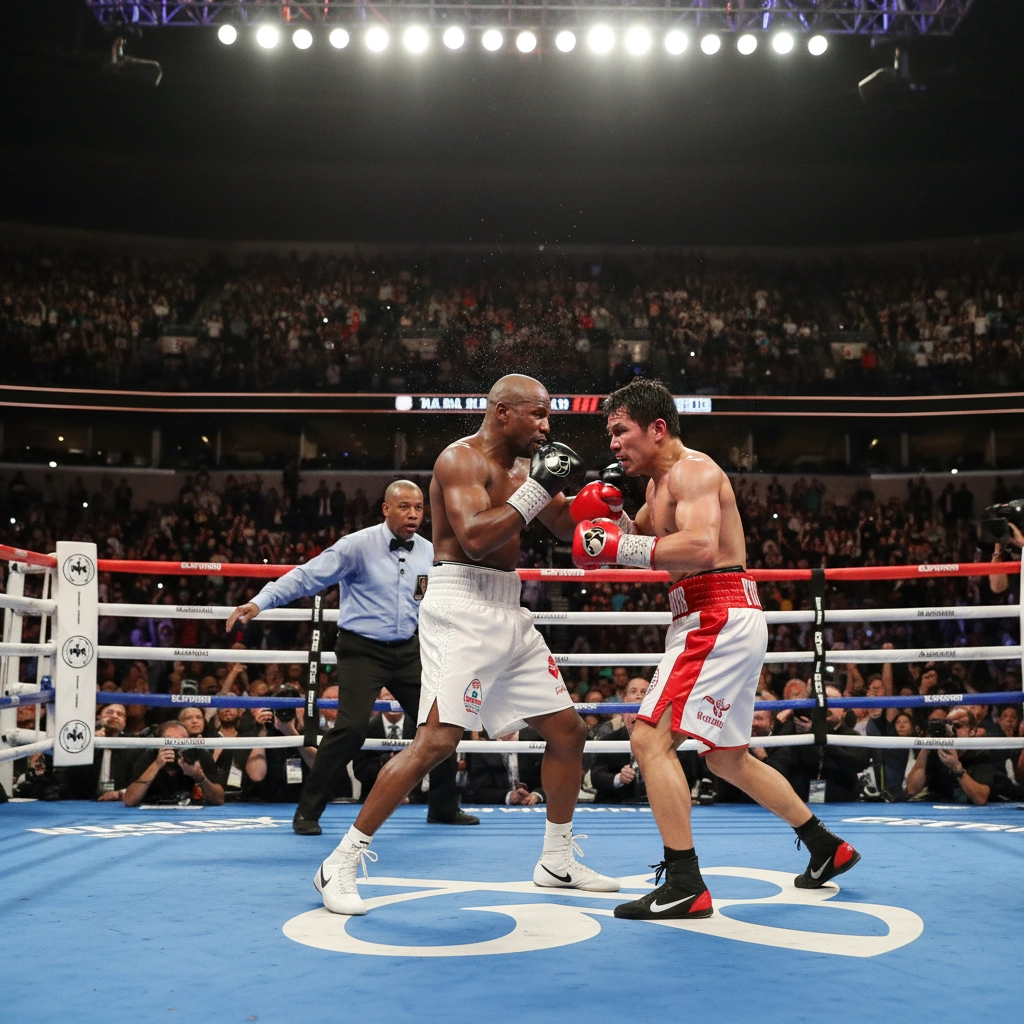
When the bell finally rang, the first exchanges told you everything you needed to know about what this fight would — and would not — become. Floyd started by doing what he had done for years: establishing a crisp, probing jab, using lateral movement to keep Manny from getting the angles that had defined many of his best nights. You watched Mayweather control range with a calm, almost clinical patience; he picked his moments, countered with short, sharp shots, and punished Pacquiao when the Filipino tried to fire off wide, looping punches.
Pacquiao’s initial game plan — press, pivot, and disrupt — showed in bursts. He landed quick combinations that reminded you of his prime, and there were flashes when his speed and timing still threatened. But those moments came sporadically. For much of the early rounds Pacquiao’s volume was lower than anticipated, and when he did commit he often encountered Floyd’s counterpunching and footwork. A key early turning point was the way Mayweather negated Pacquiao’s primary weapon: the southpaw left. By angling away and slipping to his own left, Floyd reduced Manny’s ability to plant his feet and generate the power that had finished so many opponents.
There were rounds that belonged to Pacquiao on sheer aggression and visible ring control, but Mayweather’s round-to-round efficiency — the quality of punches landed versus those thrown — quietly tilted the ledger. You could see the effect on Pacquiao’s rhythm: instead of establishing a steady pattern of pressure, he picked spots and often exited them without forcing the prolonged exchanges he needed to get Floyd truly uncomfortable.
Adjustments and momentum: the middle rounds that decided the pace
As the fight moved into the middle rounds, small adjustments grew into decisive momentum. Mayweather tightened his jab and began to pepper the head and body with counters that cut off Pacquiao’s forward momentum. He also used clinches and subtle pushes to disrupt Manny’s attempts to mount multi-punch combinations. Where Pacquiao once would have exploded through a sequence of punches, here he found gaps closed or met by a timely shoulder roll and a compact counter.
Pacquiao’s output and power became the central narrative. He still slipped in meaningful flurries — moments where his speed and angle changed the tempo — but the frequency and effectiveness were diminished. After the midway point it became clearer that Pacquiao was choosing fewer, more committed exchanges rather than the sustained, high-volume assault many had predicted. Those choices played into Mayweather’s strengths: fewer openings to exploit and more opportunity to counter with precise, scoring shots.
There was also an intangible psychological shift. Mayweather, comfortable with his lead on the scorecards and the crowd’s reaction to his ring control, began to show more confidence. He would occasionally lower his hands, smile, and box with an air of inevitability. That display frustrated some viewers who wanted drama; to others it was the final proof of a master executing a long-honed strategy. Pacquiao’s corner urged urgency, but the uphill task had already been compounded by Floyd’s steady accumulation of rounds.
How the scorecards and aftermath framed the fight’s legacy
When the final bell sounded, the official tallies were decisive: two judges saw Mayweather win comfortably and one gave him an even wider margin. Statistically, the fight reinforced what you observed live — Mayweather outlanded Pacquiao and did so with a higher percentage of cleaner, more telling blows. Compubox-style summaries later circulated, and they cemented the narrative that Floyd had done more of the little things — jabs, counters, defensive shots — that translate directly into scoring under professional judging criteria.
But numbers did not settle the public conversation. You felt the split: some celebrated a masterclass in defensive boxing and tactical discipline; others left disappointed, wanting a different kind of warfare. Pacquiao’s later revelation about a shoulder problem added another layer to the discourse, introducing questions about injury, timing, and what might have been. For the sport itself, the aftermath raised durable points about what fans expect from marquee fights — drama and decisive action — versus what judges are bound to reward: ring generalship, accuracy, and defense.
In the ring, the result was clear. Outside it, the fight’s ripples continued: debates about style versus spectacle, discussions about how big fights are negotiated and promoted, and a renewed scrutiny on how boxing balances entertainment with adjudication. The bout had answered some questions and left others open, ensuring that the fight would remain a point of reference for conversations about legacy, strategy, and the business of boxing for years to come.
After the Bell: The Fight’s Lasting Echo
The Mayweather–Pacquiao fight did more than decide a bout; it crystallized a set of tensions that have defined modern boxing — the trade-off between tactical mastery and crowd-pleasing violence, the calculus of legacy versus moment, and the way massive commercial stakes shape the ring before fighters even step into it. Years on, the images that persist are varied: Floyd’s measured counters and shoulder roll, Manny’s bursts of speed and the shadow of injury, the packed arena and the global television window that turned two careers into a single cultural event.
For fans, pundits and promoters, the fight became a touchstone. It altered expectations for how mega-fights are negotiated and marketed, and it sharpened discussions about judging, injury disclosure, and what audiences want from the sport. Those conversations continue to influence matchmaking, training strategies and the economics of boxing. If you want a close record of the bout’s numbers and round-by-round stats, see full fight details here: Mayweather vs. Pacquiao fight details.
Ultimately, the fight’s true legacy isn’t found only in scorecards or headlines but in the way it shaped expectations — for the fighters who followed, for fans who demand both drama and legitimacy, and for an industry that must thread the needle between spectacle and sport. The echoes of that night still influence how the next generation of champions prepare, negotiate and perform.
Frequently Asked Questions
Who officially won Mayweather vs Pacquiao?
Floyd Mayweather Jr. won by unanimous decision on the official scorecards, with judges awarding him the fight based on ring generalship, accuracy and defense.
Did Manny Pacquiao fight with an injury?
After the fight, Pacquiao revealed he had a shoulder problem that affected his performance, a point that fueled debate about how injuries should be disclosed and factored into expectations for big fights.
How did the fight change perceptions of big-money boxing matches?
The bout highlighted tensions between entertainment and scoring-based boxing, leading to greater scrutiny of matchmaking, promotion practices and judging standards in future megafights.