Mayweather vs Pacquiao: Legacy, Pay-Per-View, and Aftermath
How the Mayweather–Pacquiao Match Came to Symbolize Boxing’s Golden Negotiation
You may remember the long wait: for years boxing fans and media insisted on “the fight” between Floyd Mayweather Jr. and Manny Pacquiao, and by the time it finally happened in May 2015 it carried more cultural and commercial weight than a typical title clash. Understanding that context helps you see why the bout was as much a business event as a sporting contest.
The matchup represented a collision of eras and images. Mayweather was the undefeated defensive technician who had built a brand around precision, self-promotion, and financial acumen. Pacquiao was the aggressive, charismatic multi-division superstar who had carved a patriotic and global following. The fight was billed not just as two elite fighters meeting but as a moment where style, narrative, and marketplace expectation converged.
Key moments in the fight’s long buildup
- Repeated negotiation attempts over several years, with disputes over testing protocols, drug screening, and revenue splits creating repeated delays.
- High-profile promotional tactics that framed each fighter’s public image — from Mayweather’s “Money” persona to Pacquiao’s underdog/globe-trotting champion narrative — which amplified mainstream interest.
- Strategic timing and venue selection (May 2, 2015, at the MGM Grand in Las Vegas), chosen to maximize gate revenue, sponsor activation, and pay-per-view distribution.
Because the bout was years in the making, you should think of it as an event that tested the modern boxing economy: how fighters negotiate guarantees, how promoters and networks structure rights, and how fans respond when access shifts from free or cable TV to premium pay-per-view (PPV) packages.
How Pay-Per-View Turned Hype into Record-Breaking Revenue
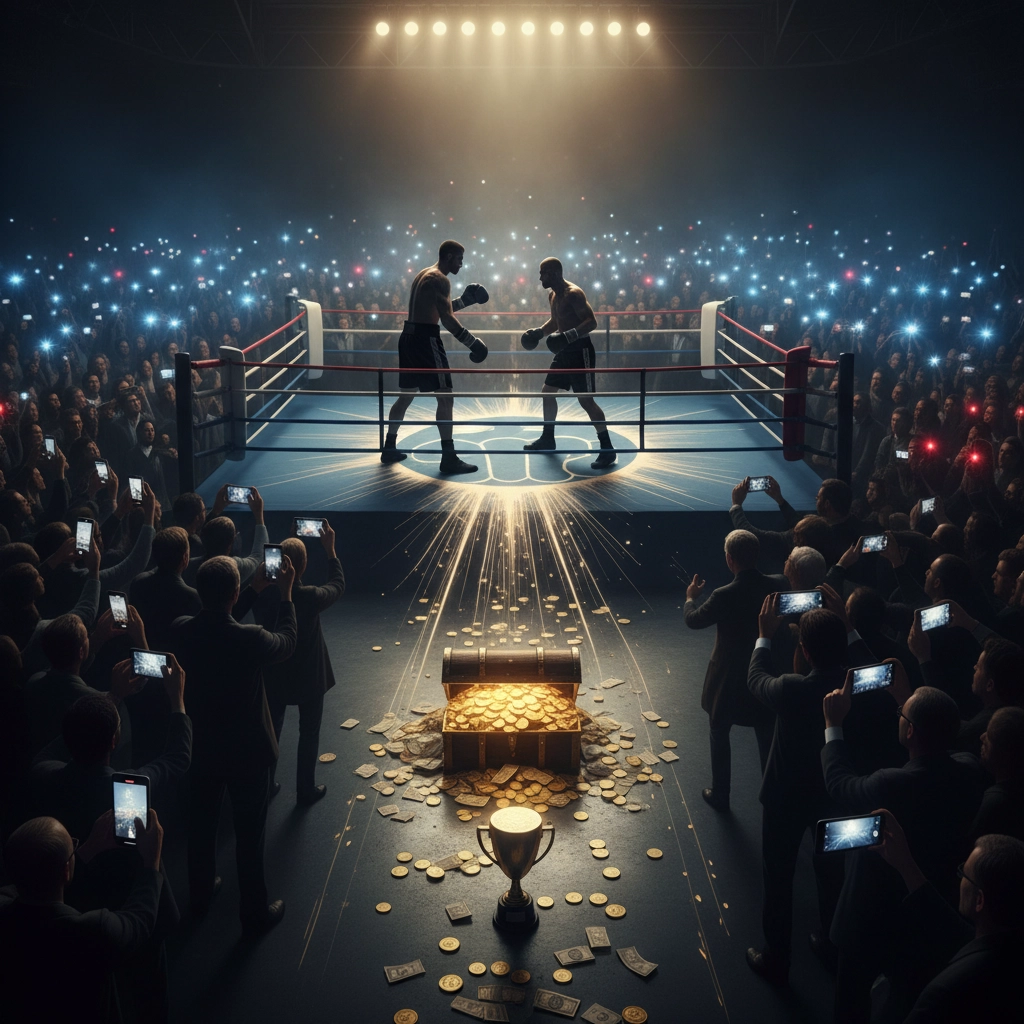
When you look at Mayweather–Pacquiao from a business perspective, the PPV model is the central axis. Pay-per-view turned the fight into a direct consumer product: fans paid a high price for access, and that revenue flowed through a defined set of stakeholders. For you as a reader, breaking down those revenue streams clarifies why the matchup mattered beyond the ring.
- PPV buys: The fight generated one of the highest-ever buy rates in the U.S. market, measured in millions of purchases. That scale proved how much consumers would spend for a once-in-a-generation attraction.
- Gate and live receipts: Hosting the event in Las Vegas produced a very large live gate — tens of millions of dollars — driven by premium seating, VIP hospitality, and corporate tables.
- Sponsorship and international rights: Global broadcast deals and corporate partners added layers of revenue beyond U.S. PPV, extending the fighters’ and promoters’ earnings through international distribution and advertising.
- Ancillary products: Merchandise, streaming packages, and post-fight programming increased the financial footprint, demonstrating how modern boxing monetizes a single night of sport across several platforms.
For you to appreciate the economics, think in terms of scale and concentration: a single fight could generate revenue streams that rival entire seasons of other sports leagues, but that cash is concentrated into one event and split among promoters, venues, broadcast partners, and fighters. That concentration raises stakes for negotiation and shapes how fighters plan the later stages of their careers.
What You Should Know About the Fighters’ Public Images and Pre-Fight Expectations
To judge the fight’s legacy, you need to understand the public expectations that surrounded each athlete. You bring your own perspective as a fan or analyst, but these were the widely held perceptions that influenced ticket sales, PPV buys, and media narratives.
- Mayweather’s image: Calculated, defensive, and brand-first. You could see his approach as a model for modern athlete entrepreneurship — prioritizing control over career moves and maximizing payday.
- Pacquiao’s image: Aggressive, fast, and emotionally resonant for many fans worldwide. His story as a multi-division champion made him a rare global draw who carried national and international support.
- Expectations about style clash: Analysts and casual viewers debated whether Pacquiao’s aggression could overcome Mayweather’s defense and ring generalship. That stylistic question helped sell the narrative that this was a classic matchup of opposites.
- Controversies and testing: You should note that concerns over drug testing and timing of bouts were part of the pre-fight conversation; those issues shaped contractual demands and public trust.
Understanding these pre-fight dynamics prepares you to interpret not only the night itself but the broader aftermath: how earnings were split, how public opinion formed, and how boxing’s business model was judged by fans and media alike.
Next, you’ll examine the fight night itself — the in-ring action, official scoring, immediate reactions, and how those moments began to shape the fight’s long-term legacy.

The Night: Rounds, Scoring, and What Happened in the Ring
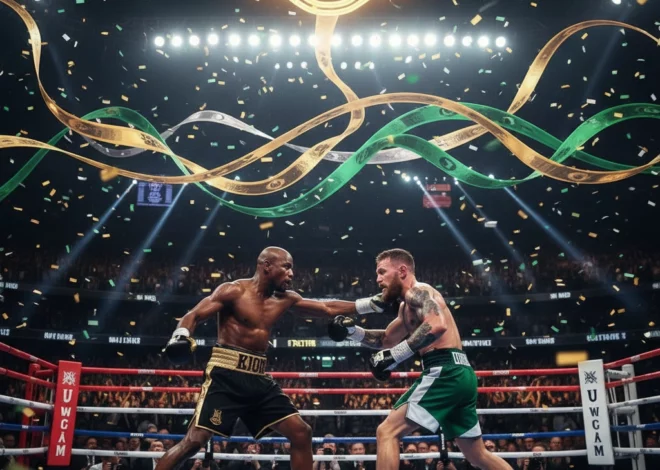
When the bell rang on May 2, 2015, the fight that had been hyped for half a decade unfolded in a way that was predictable to some analysts and frustrating to others. Mayweather delivered a textbook performance of the skill set that had defined his career: disciplined defense, tight footwork, the shoulder roll, and selective, accurate counterpunching. Pacquiao began with bursts of the aggression people expected — fast combinations and forward movement — but he never sustained a consistent offensive rhythm against Mayweather’s containment and timing.
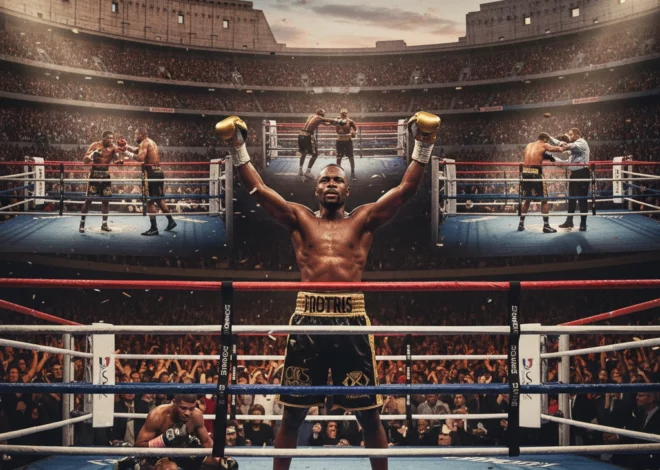
The official verdict was unanimous: Mayweather won by decision, with scores of 118–110, 116–112, and 116–112. Those numbers reflect a fight in which Mayweather controlled the tempo and scored more effectively across rounds. Compubox figures — the statistical shorthand boxing fans use — reinforced that narrative: Mayweather landed a significantly higher number of clean punches and at a higher accuracy rate than Pacquiao, who absorbed more counters than he landed. Where Pacquiao tried to force exchanges, Mayweather largely dictated distance and punished the moments when his opponent overcommitted.
From the standpoint of in-ring craft, you could argue the match was a study in mastery versus aggression. Mayweather executed a defensive game plan that neutralized the explosive openings that had made Pacquiao a threat for many years. From the spectator’s vantage, the trade-off was a fight that offered technical excellence but lacked the dramatic, non-stop fireworks many had anticipated after the long buildup.
Immediate Public and Industry Reaction: Between Triumph and Disappointment
The split in reaction was swift and revealing. Within hours, pay-per-view numbers and gate figures were being cited as validation: the fight had performed commercially at an elite level. Among critics and a vocal portion of the fanbase, however, disappointment became a dominant narrative. Some viewers felt the bout failed to live up to the emotional and stylistic clash they’d been promised, and social media amplified the sense of anticlimax. Pundits debated whether the fight was a “masterclass” or a “letdown,” and that debate shaped early commentary on the match’s legacy.
Controversy also lingered in the background. Questions about testing protocols, the timing of bouts, and injuries — notably Pacquiao’s later-revealed shoulder issues — fed a secondary storyline that muddied public perception. For casual fans who had paid a premium to watch a supposed “fight of the century,” the emphasis on tactics and the absence of a knockdown or crescendo moment felt unsatisfying. For industry observers, the event confirmed something else: when boxing is packaged as global entertainment, commercial success can be decoupled from sporting drama.
Aftermath: Careers, Cash, and How the Bout Reshaped Boxing’s Business Choices
What happened after the final bell mattered as much as the night itself. Financially, the fight reshaped expectations for how much megastars could command in a single night. Both fighters walked away with guarantees and revenue splits that reinforced the model of concentrated, winner-take-most paydays for marquee events. For promoters and networks, the match validated high-stakes negotiation tactics: secure a worldwide window, centralize distribution, and monetize scarcity.
On the fighters’ side, outcomes diverged. Mayweather used the victory as a capstone for a career he framed as an uninterrupted ascent; he announced a retirement that would be punctuated by return bouts and lucrative exhibitions. Pacquiao, meanwhile, faced questions about his future at the top level, underwent surgery to address physical issues, and reoriented parts of his public life toward politics and later bouts. Both men emerged as enduring brands — earning from endorsements, special appearances, and legacy deals long after the purse was settled.
For boxing as an industry, the fight left a mixed inheritance. It demonstrated the PPV model’s enormous earning potential for singular events while exposing its limitations as a repeatable product for fans who wanted consistent, compelling matchups. Promoters learned to leverage cross-platform distribution and to treat emergent global markets as necessary parts of the revenue puzzle. At the same time, critics used the fight to argue for structural changes — clearer testing regimes, better matchmaking incentives, and promotional transparency — that might prevent similarly anticlimactic outcomes when so much money is on the line.
Taken together, the immediate and long-term fallout from Mayweather–Pacquiao illustrates a core lesson: a boxing event can be both a commercial triumph and a contested cultural moment. What the fight paid taught promoters and fighters how to extract value; what it delivered in the ring reshaped expectations about how, and for whom, boxing should be made.
Final Reflections on a Defining Moment
More than a decade on, Mayweather vs Pacquiao functions less like a closed chapter and more like a mirror: it reflects what boxing does well — star-making, global reach, and lucrative spectacle — and where the sport continues to grapple with tensions between commerce, competition, and credibility. The bout’s ripples still influence negotiations, testing protocols, and the ways promoters and broadcasters structure marquee events. Those who study the fight now tend to look past the round-by-round details and toward the longer conversation it provoked about how boxing is packaged and who ultimately benefits from its biggest moments. For further analysis and archival reporting, see ESPN’s retrospective coverage.
Frequently Asked Questions
How many pay-per-view buys did Mayweather vs Pacquiao generate?
The fight is widely reported to have sold approximately 4.6 million pay-per-view buys in North America, making it one of the highest-grossing PPV events in boxing history and generating several hundred million dollars in domestic PPV revenue.
Was Manny Pacquiao injured during the fight?
After the bout, Pacquiao acknowledged shoulder problems and later underwent surgery. Those issues were cited in post-fight analysis as a factor that likely limited his ability to maintain sustained offensive bursts during the bout.
Did the outcome change how boxing promoters and networks approach big fights?
Yes. The event reinforced the financial power of singular megafights, encouraging promoters and broadcasters to pursue concentrated, global distribution strategies for blockbuster matchups while also prompting calls for clearer testing protocols and better matchmaking incentives to protect competitive integrity.