
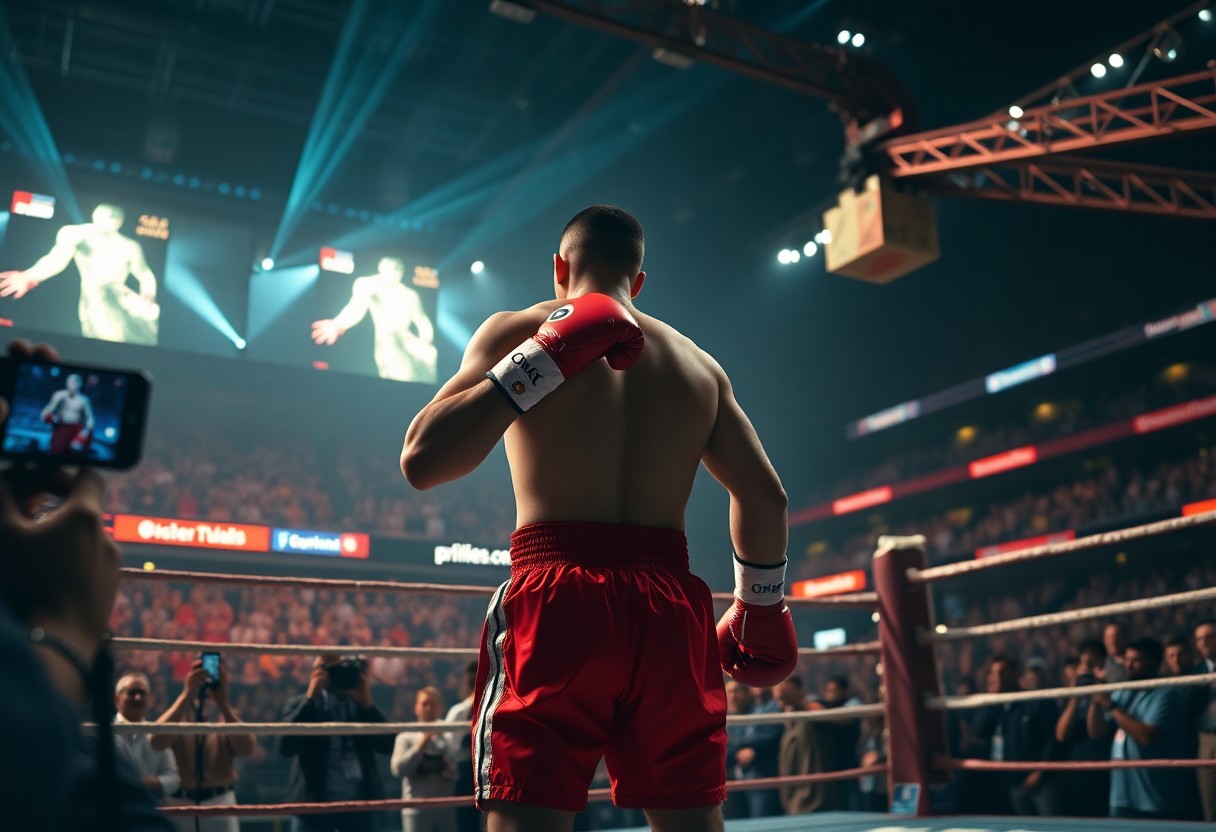
How Social Media Is Transforming Modern Boxing And Fighter Brands?
Most modern boxing careers are shaped online as fighters use platforms to build audiences, control narratives, and monetize content; this guide examines how that shift creates direct monetization and brand control, fuels viral moments that accelerate sponsorship growth, and also introduces reputation risks and escalatory public feuds that can harm careers and safety, offering practical strategies for fighters, managers, and promoters to harness opportunities while mitigating digital dangers.
Types of Social Media Platforms Impacting Boxing
Platforms differ by format and measurable impact: YouTube drives long-form storytelling and memberships (2+ billion users), TikTok enables viral highlights and discovery (1+ billion users), Instagram powers sponsorships and visual branding, X supplies real-time narrative control, and Facebook keeps community hubs and local promotion. Fighters such as Jake Paul, KSI and Ryan Garcia converted creator followings into multimillion-dollar boxing opportunities, but social feeds also carry reputation risk and offer direct monetization paths.
- YouTube
- TikTok
- X / Twitter
| YouTube | Long-form fights, vlogs, monetization via ads, memberships and evergreen search traffic. |
| TikTok | Short-form clips drive discovery, viral knockouts and rapid follower growth among Gen Z. |
| Image and Reels-first platform for sponsorships, lifestyle branding and premium content. | |
| X / Twitter | Real-time commentary, fight hype, direct fan engagement and controversy amplification. |
| Groups, local event promotion and older-demographic reach for ticket sales and community building. |
Major Platforms
YouTube and Instagram remain primary revenue engines: fighters with 500k-1M followers typically secure six-figure sponsorships, while YouTube channels convert long-form storytelling into memberships and ad revenue. TikTok amplifies breakout moments-single clips can add 100k+ followers overnight-and X shapes narratives that influence ticket and PPV demand. Teams now allocate media budgets by platform performance instead of traditional PR alone, prioritizing content cadence and measurement.
Emerging Trends in Social Media
Short-form dominance, creator subscriptions, NFTs and live commerce are reshaping monetization: short videos now account for over 50% of mobile watch time, creators convert a small percentage of fans into recurring revenue, and limited drops create scarcity-driven sales. AI-driven highlight reels speed content production, while betting integrations and live streams create new sponsorship touchpoints. These shifts increase revenue but heighten regulatory and reputational exposure for fighters and promoters.
After the initial viral spike most teams focus on retention-subscription tiers, gated content and micro-donations typically convert 1-5% of followers into paying fans-while AR/VR training sessions and branded NFTs provide secondary revenue. Data-driven targeting lifts sponsorship CPMs and lets fighters package audience metrics into measurable deals; simultaneously the landscape demands stronger moderation and legal oversight to manage misinformation and matchmaking controversies.
Tips for Fighters to Build Their Brand
Adopt a mix of short-form and long-form content, partner selectively, and treat every fight week as a content campaign; for example, post 3-5 Instagram Reels, a 10-15 minute YouTube breakdown, and daily Stories to sustain momentum. Prioritize authenticity and consistency, avoid inflammatory controversy that harms sponsorships, and measure reach and conversion after each event.
- personal brand
- content strategy
- fan engagement
- sponsorships
- consistency
Creating Engaging Content
Focus on narrative arcs-training camps, setbacks, and redemption-to create bingeable series: 8-20 minute YouTube episodes perform well for storytelling while 15-60 second Reels/Shorts drive discovery; include behind-the-scenes clips, workout timers, and coach commentary to raise watch-time and sponsorship appeal, and A/B test thumbnails and hooks to lift click-through rates.
Leveraging Fan Interaction
Use live streams, polls, and AMAs to convert casual viewers into superfans: run weekly Instagram Lives, pin community posts, and reward engagement with exclusive merch drops or meet-and-greets; respond within 24-48 hours on DMs for top-tier fans and route high-intent fans to mailing lists for ticket and merch offers.
Segment superfans via platforms like Discord or gated Patreon tiers to increase monetization-memberships and exclusive video series can boost lifetime value-and run UGC contests that amplify reach (fan edits, reaction videos). Monitor sentiment and intervene quickly on negative threads: swift, transparent replies reduce reputation risk while spotlighting positive stories increases sponsor interest.
Knowing how to convert engagement into ticket sales, subscriptions and sponsorships separates fighters who merely have followers from those who build sustainable careers.
Step-by-Step Guide to Social Media Marketing in Boxing
| Step | Quick Guidance |
|---|---|
| Setting Up Profiles | Use consistent handles, high‑res profile photos and a 150‑character bio that lists weight class, team and a clear CTA; enable a business account and verification for analytics and contact buttons; pin a sponsor or ticket link. |
| Content Planning and Scheduling | Plan a 60/20/20 content mix (training/education, personality, promotions), post 3-5 feed posts weekly plus daily Stories, batch content and schedule with Later, Buffer or Hootsuite. |
| Measuring Success | Track reach, impressions, engagement rate (target 1-3% on IG), watch time, CTR and DM/email conversions; use UTMs and native insights for sponsor reporting. |
Setting Up Profiles
Start with unified usernames across Instagram, TikTok, YouTube and X, a clean headshot and a banner showing sponsor logos or upcoming fight; include a short bio with weight class, trainer and a single CTA (tickets, merch or email signup); switch to a business account, enable two‑factor authentication and add contact options so promoters and brand reps can reach you directly.
Content Planning and Scheduling
Map content into pillars, batch record weekly, and publish 3-5 high‑quality posts plus daily behind‑the‑scenes Stories; allocate 15-60s vertical clips for Reels/TikTok, repurpose long videos into 30s hooks, and use scheduling tools to maintain a steady cadence that algorithms favor.
For a fight campaign, build an 8‑week timeline: week −8 announce, weeks −6 to −3 training drills and sparring, week −1 weigh‑ins and promos, and fight week daily updates; boost top performing clips with $100-$500 ad spends, A/B test thumbnails and CTAs, and repurpose earned media into sponsor assets.
Measuring Success
Focus on 3-4 KPIs: follower growth, engagement rate, video completion/watch time and conversion (DMs to email or ticket sales); export weekly dashboards, tag posts with UTMs for sponsor links, and compare pre‑campaign vs fight‑campaign performance to show impact.
Run weekly checks and a monthly sponsor report: track % change (aim for 5-15% monthly follower growth with consistent posting), quantify leads generated, and log top posts that drove conversions; use cohort analysis to compare fight windows and iterate creative based on what delivers the highest CTR and watch time.
Factors Influencing Fighter Success on Social Media
Algorithms, format choice and monetization strategy directly shape fighter success on social media. Short-form video and behind-the-scenes reels often drive the fastest follower growth-some prospects gain 50k-200k followers in viral weeks-while cross-promotion with influencers converts discovery into audience. Sponsorship-fit and controversy both amplify reach but carry brand risk. Rigorous tracking of engagement rates and conversion into ticket, merch or PPV sales separates casual profiles from scalable fighter brands. The balance between reach, engagement and monetization determines long-term value.
- Audience Engagement
- Content Quality & Format
- Posting Frequency
- Platform Algorithm
- Collaborations & Partnerships
- Authenticity
- Monetization Strategy
Audience Engagement
Engagement benchmarks tell sponsors whether followers act: athletes posting interactive content-AMAs, polls, livestreams-typically see higher comment and DM rates; engagement above 2% on Instagram often indicates an active fanbase. Rapid replies (within 24 hours) and curated fan threads boost retention, and gated experiences like private Discords or paid Q&As convert superfans into revenue. The most effective fighters blend organic conversation with targeted paid boosts around fight announcements to turn buzz into buys.
Consistency and Authenticity
Consistent output-common industry benchmarks are 3-7 posts per week plus daily Stories-establishes algorithmic favor and audience expectation, while authentic narratives (training grind, family moments, recovery) build trust with sponsors. Brands favor predictable calendars for campaign placements; unpredictable spikes from controversy can inflate reach but threaten long-term deals. The best fighter brands map content pillars and stick to a reliable cadence to sustain attention.
Deeper implementation involves defining 3-6 content pillars (fight prep, lifestyle, education, promo), batching shoots for weeks of content, and tracking KPI cohorts by post type and time-of-day-audience peaks tend to fall in evenings and weekends for combat-sports fans. A/B testing thumbnails, CTA wording and caption length refines conversion; contingency protocols for missteps protect brand value when posts backfire, since sponsors may pause partnerships after damaging incidents.
Pros and Cons of Social Media in Modern Boxing
Social platforms accelerate both fame and scrutiny: fighters can turn a viral clip into a global audience overnight, with top fighters using social-first campaigns to drive hundreds of thousands in PPV interest and land six-figure sponsorships, while the same channels amplify mistakes, misinformation, and contract disputes that can erode value fast. Algorithms reward engagement but penalize policy breaches, so professional teams now run day-to-day content strategies alongside training to protect fight purses and brand equity.
| Pros | Cons |
|---|---|
| Direct monetization: sponsorships, paid posts, memberships | Reputation damage from offensive posts or misinformation |
| Global reach: build international fanbases without TV | Platform policy risk: bans, demonetization, algorithm drops |
| Control of narrative: behind-the-scenes storytelling | Oversaturation: noise makes growth unpredictable |
| Fan engagement: polling matchups, selling merch/PPV | Harassment and doxxing targeting fighters and families |
| Data & analytics to optimize content and sponsorship value | Privacy loss: location leaks, training intel exposed |
| Low-cost promotion vs expensive traditional campaigns | Short attention spans reduce long-form narrative effectiveness |
| Cross-promotion with influencers and other athletes | Contract conflicts with promoters or broadcasters |
| Rapid feedback for product and message testing | Regulatory scrutiny: undisclosed ads or gambling content |
Advantages for Fighters
Top fighters convert social followings into bargaining power: direct sponsorships and post fees can supplement purses, while memberships and YouTube channels create recurring revenue-KSI and Jake Paul illustrate how creators-turned-fighters monetize content and events. Social media also opens international markets quickly, letting rising fighters secure regional endorsements and sell merch directly, which can accelerate career growth without waiting for broadcast deals or promoter backing.
Challenges and Risks
Content that provokes can spike short-term interest but lead to lost sponsors, platform strikes, or legal exposure; the FTC requires disclosure on paid posts and broadcasters may enforce exclusivity, so a single misstep can cost significant income. Teams must manage compliance, legal, and reputation risk alongside creative strategy to avoid long-term brand erosion.
Deeper risks include contract breaches when fighters post fight clips tied to exclusive broadcasters, and data leaks revealing camp locations or injuries. There are documented cases where sponsors paused deals after controversial posts, and public-relations responses often require coordinated legal, media, and social teams. Investing in content audits, clear posting policies, and rapid takedown procedures reduces exposure; strong oversight preserves monetization while minimizing potential seven-figure losses for top-tier talent.
To wrap up
The rise of social media has reshaped how boxers build narratives, monetize followings, and engage fans, accelerating brand growth, diversifying revenue through sponsorships and direct-to-fan offerings, and changing promotion strategies; fighters who master content, authenticity, and audience analytics gain competitive advantage while the sport adapts around visibility, storytelling, and new performance metrics.
FAQ
Q: How has social media changed how boxing matches are promoted and how fans consume the sport?
A: Social media has shifted promotion from a promoter-driven model to a direct-to-fan ecosystem. Promoters and fighters use short-form clips, highlight reels and live backstage content to build hype without relying solely on traditional broadcast trailers or press tours. Platforms amplify viral moments-knockouts, confrontations, training montages-turning them into global talking points within hours. This accelerates ticket and pay-per-view demand, widens international reach, and allows targeted ad buys and data-driven audience segmentation. Fans now follow fighters’ daily lives, join online communities, and access fights through multiple digital channels, increasing engagement and creating new monetization paths such as micro-payments, subscriptions, and sponsor activations tied directly to social metrics.
Q: What strategies do fighters use on social media to create lasting personal brands and higher earning potential?
Q: What risks should fighters and promoters manage on social media, and what best practices reduce those risks?
A: Risks include reputation damage from impulsive posts, misinformation, legal or contractual breaches (endorsement conflicts, league rules), platform policy violations and overexposure that fatigues fans. Best practices: develop a clear content policy and crisis-response plan, use a small trusted communications team, run posts through legal/sponsorship checks when needed, diversify platforms to avoid dependence on one channel, and maintain a consistent tone aligned with the brand. Balance authenticity with professionalism-measured trash talk can sell fights but should avoid slander or hate speech. Track analytics to refine what works and schedule breaks to preserve audience interest and fighter wellbeing.
