From Gloves To Footwork: The Fundamentals Of Traditional Boxing Explained
Most fighters build mastery by drilling stance, punch mechanics, and balance to deliver power and defense; this guide breaks down how gloves, guard, and footwork interlock to create effective boxing. Emphasize proper technique to maximize power and efficiency, prioritize head movement and guard to reduce injury risk, and embrace disciplined footwork to control range and impose strategy.
The History of Traditional Boxing
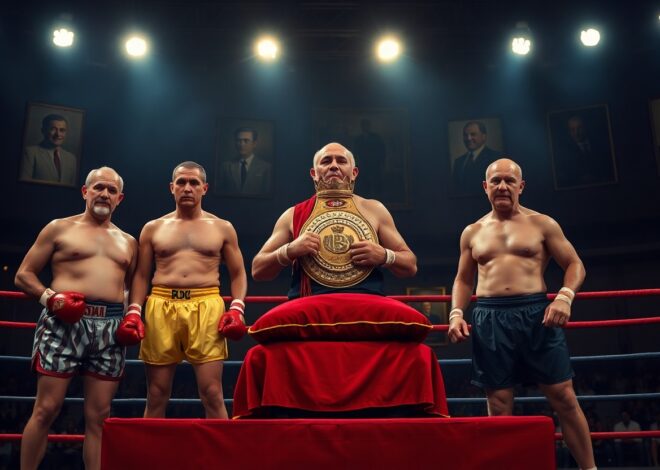
Tracing a lineage from the Olympic games of 688 BC through the bare-knuckle pits of 18th-century England, the sport evolved via formal codes: Broughton’s Rules (1743) set basic conduct, the London Prize Ring Rules (1838/1853) regulated grappling, and the Marquess of Queensberry Rules (1867) ushered in gloves and timed rounds. Safety and spectacle shifted again in the 1980s after high-profile injuries-most notably Duk Koo Kim (1982)-prompting the move from 15 to 12 championship rounds.
Origins and Evolution
Evidence from ancient Greece and Rome shows fist fights as ritualized sport, but modern boxing resurged in Britain where entrepreneurs like James Figg promoted exhibitions in the early 1700s. Rules adaptations followed: Jack Broughton’s 1743 code limited dangerous conduct, while the Queensberry framework (1867) standardized gloves, three-minute rounds, and a ten-second count, transforming technique, training, and spectator expectations.
Key Figures in Boxing History
Early influencers such as James Figg and Jack Broughton codified practical combat; later icons shaped style and culture. John L. Sullivan bridged bare-knuckle and gloved eras, Jack Johnson (title 1908-1915) broke racial barriers, Sugar Ray Robinson (approx. 173-19-6, 109 KOs) set a template for skill, and Muhammad Ali (56-5, 37 KOs) fused athleticism with social influence. Mike Tyson became the youngest heavyweight champion at 20 in 1986.
Each figure altered training and public perception: Robinson’s footwork and combinations defined the modern boxer, Ali’s 1960 Olympic gold and three-time world titles reshaped celebrity activism, and Johnson’s reign forced legal and social reckonings. Tactical innovations-peek-a-boo defense from Tyson’s camp or Ali’s rope-a-dope in 1974 versus Foreman-left enduring lessons for technique, while high-profile tragedies accelerated rule changes and medical oversight.
Essential Equipment in Boxing
Every session demands purpose-built kit: gloves in 8, 10, 12, 14 or 16oz weights, hand wraps of 120-180 inches, high-top shoes with thin, non-slip soles, plus a mouthguard and groin protector. Fighters use 8-10oz gloves for many pro bouts and 12-16oz for pads and sparring to reduce partner risk. While these items lower the chance of cuts and hand fractures, they cannot fully prevent brain injury, so selection and use matter for safety and performance.
The Role of Gloves
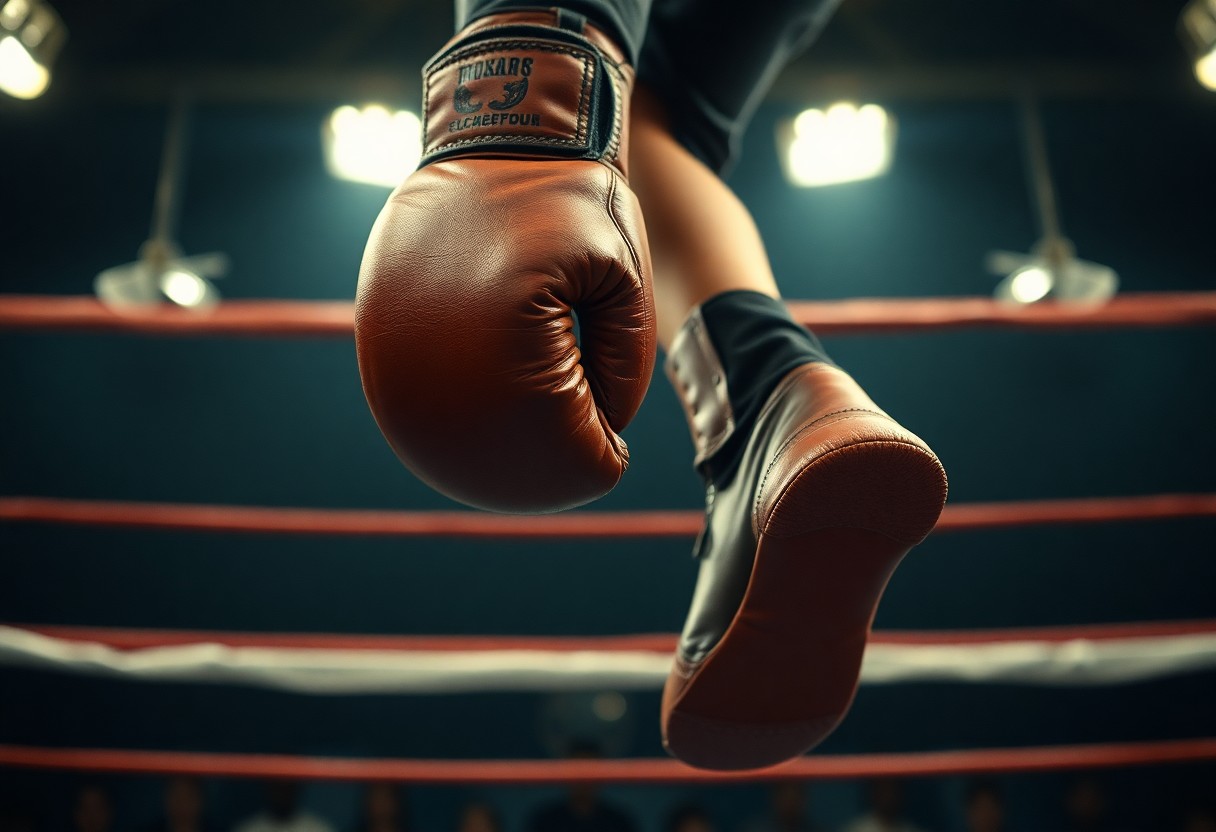
Gloves combine layered foam and leather or synthetic shells to spread impact over a larger area; this impact distribution protects metacarpals and reduces skin lacerations. Trainers typically insist on 16oz sparring gloves to slow punch speed and protect partners, while mitt work often uses 12oz and pro fights 8-10oz. Lace gloves offer a tighter wrist lock for competition, velcro for convenience in training-fit and padding density determine both protection and feel.
Other Gear: Wraps, Shoes, and Protective Equipment
Hand wraps (120 or 180 inches) stabilize wrists and knuckles, with Mexican-style elastic wraps offering compact support; shoes prioritize lateral grip, lightweight construction, and ankle support for pivots and drives. Mandatory extras include a well-fitted mouthguard, groin cup, and for youth or some amateur bouts, headgear to reduce cuts. Proper gear choice directly affects performance, injury risk, and longevity in the sport.
For deeper detail: wrap with a thumb loop and a figure-eight pattern over wrist and knuckles-this distributes force and prevents sprains; opt for 180-inch wraps if you box heavy or need extra padding. Shoe fit should lock the heel and allow toe splay while the gum-rubber sole maximizes traction. Mouthguards come as boil-and-bite or lab-made customs-the latter offers superior fit and shock dispersion. Headgear reduces facial cuts but has limited effect on concussion risk, so combine equipment with smart training.
Stance and Guard Position
Feet and hands set the foundation: adopt a balanced, athletic posture with a slightly forward lead, a low center of gravity and a weight distribution of roughly 60/40 favoring the rear foot to generate rear-hand power. Keep the chin tucked and eyes level; an exposed chin or flat feet make you vulnerable to counters. Train stance width to match your height and reach so pivots and angling are efficient while maintaining a defensive shell.
Understanding the Basic Stance
Place the lead foot about 12-18 inches ahead of the rear, toes pointing slightly inward and rear foot at ~45 degrees to aid rotation. Bend knees lightly (about 10-20°) to stay springy and absorb shots. Gloves should sit at the cheekbone and elbows close to the ribs to protect the body; this compact setup preserves balance and readies you for a 1-2 or hook drive.
Guard Techniques for Defense
Rotate between guards: the high guard protects the temple and nose, the peek-a-boo (Tyson/Cus D’Amato) compresses space for counters, and the shoulder roll (Mayweather) deflects punches while setting up counters. Each trade-off matters-high guard reduces vision, shoulder roll demands timing-so choose based on style, range and opponent tendencies. Avoid dropping hands, which leaves you dangerously open to hooks and body shots.
Practice drill specifics: shadowbox 3 x 3-minute rounds focusing on a chosen guard, do partner parry-and-counter sets for 4 minutes, and use padwork emphasizing slips and immediate counters. Keep gloves within 2-3 inches of the cheek on routine checks; parry to the outside and step 30-45 degrees offline after blocks. These measurable drills build muscle memory and reduce the instinct to drop the lead hand under pressure.
Footwork Fundamentals
Balance and small, efficient steps form the base: maintain a roughly 60/40 weight distribution toward the lead foot, stay on the balls of your feet, and make incremental steps of about 10-30 cm to adjust range. Avoid crossing feet or overstepping-those patterns invite counters and off-balance moments. Combine head movement and guard adjustments while moving; mastering rhythm in 3-minute rounds builds the timing that turns footwork into an offensive and defensive tool.
Movement Techniques
Use three primary patterns: the shuffle for quick in-and-out action, the step-slide to close or create space, and the pivots of 30-60° to change angles. Shuffle steps of 10-20 cm let you probe without committing, step-slides cover 20-40 cm for range control, and pivots open the opponent’s flank. Drill with ladder work, cone circuits, and shadowboxing in 2-3 minute rounds to ingrain timing and balance.
Angles and Distance Management
Creating angles cancels the opponent’s centerline: step-pivot combinations and lateral steps shift you off predictable lines. Keep fights in a working window-roughly 0.5-1.5 meters for most power shots-and use feints to manipulate that space. Controlled exits after entries prevent counters; maintaining a 30-45° departure angle often yields the clean counterpunch opportunity.
Study examples like Ali’s lateral work and modern counterpunchers who exploit 45° pivots: a well-timed pivot can create a 0.5-1 second opening for a straight or hook while the opponent regains balance. Practice partner drills where one advances and the mover steps off-line then lands a single shot-20 reps per side builds patterning. Be aware that overcommitting to the angle can leave the rear leg exposed and produce a dangerous off-balance position.
Punching Techniques
Efficient hand mechanics hinge on compact paths, quick retraction, and synchronized hip rotation to generate torque; a well-timed jab sets rhythm while power shots rely on diagonal force vectors and weight transfer. Professional-level jabs often travel in under 0.35 seconds, and keeping the glove guard tight reduces counters to the exposed chin.
Types of Punches
Short-range and long-range strikes each serve distinct functions: the straight jab controls distance, the cross delivers committed power, hooks disrupt lateral balance, and uppercuts exploit close chins. Coaches drill combinations-1-2, 1-2-3, and 2-3-so entries become automatic under pressure. Knowing how to sequence these increases scoring opportunities and defensive cover.
- Jab
- Cross
- Hook
- Uppercut
- Overhand
| Jab | Fast, used for range, sets up combos and scores points; low risk when retracted quickly. |
| Cross | Powerful straight from the rear hand; effective as a counter when weight transfer and hip snap align. |
| Hook | Short arc, high knockout potential to the head or body; dangerous if overextended and the chin is exposed. |
| Uppercut | Close-range lift that exploits forward pressure; ideal against an opponent with a low guard. |
| Overhand | Looping, high-impact punch that can bypass guards; timing and head movement make it most effective. |
Power and Precision in Striking
Generate power by driving force from the ground through the legs and hips-about a two-stage transfer where legs initiate and hips snap-while precision comes from short, repeatable paths and consistent sightlines. Small adjustments in angle (as little as 10-15 degrees) change target areas and landing percentages significantly.
In practice, study fighters like Mike Tyson for compact, short-lever power-his peek-a-boo style condensed rotation into minimal travel-and Muhammad Ali for long-range precision with a dominant jab and lateral footwork. Train with measured drills: 200 focused jabs at 60-70% intensity to ingrain mechanics, then 20 heavy-power rounds to condition the hip snap and timing; combine mitt work with video feedback to quantify punch speed and landing accuracy. Emphasize rebound and recovery to maintain defensive integrity after every strike.
Combinations and Defensive Maneuvers
Blending offensive sequences with evasive movement turns single punches into scoring patterns; common combos like the 1-2 (jab-cross), 1-2-3 (jab-cross-hook) and 2-3-2 (cross-hook-cross) form the backbone. Focus on rhythm: throw combinations in sets of 3-5 punches, alternating head and body to open guard. Avoid overcommitment-overreaching creates a dangerous exposure of the chin while well-timed strings produce higher scoring opportunities and control of distance.
Throwing Combinations
Open with a sharp jab to establish range; follow with a compact 1-2 and add a lead hook to change angle. Transfer weight from 60/40 to drive power-push off the rear foot on the cross and rotate hips for the hook. Mix levels by attacking head then body (e.g., jab to face, body cross) and use feints to create 0.2-0.5s openings; overextended punches invite counters and must be avoided.
Mastering Defensive Strategies
Defense blends slips, blocks, parries, and pivots: slip 6-12 inches to nullify power, parry with the lead hand to redirect shots, and use the shoulder roll to absorb straights. Keep the chin tucked and hands high; a disciplined guard reduces clean hits by measurable margins-coaches often cite up to a 30% drop in shots landed when fundamentals are consistent. Avoid telegraphing reactions, which create dangerous counter windows.
Drill defense with targeted routines: 3×3-minute rounds of slip-and-counter drills, 4 rounds on the double-end bag for timing, and partner parry drills with 30-50 light reps per side. Shadowbox focusing 70% on evasion for two-week blocks to ingrain movement; study templates like Mayweather’s shoulder roll for redirecting force. Track progress by counting landed punches in sparring-aim to lower clean shots by ~30% over 6-8 weeks. Overreliance on passive blocks creates openings, so practice active responses.
Conclusion
Ultimately, mastering stance, guard, footwork, head movement, timing, and conditioning defines the fundamentals of traditional boxing; disciplined drills and tactical awareness align technique with ring sense, enabling effective offense, resilient defense, and precise control of distance and tempo for sustained improvement.
FAQ
Q: What are the imperative elements of a traditional boxing stance and guard?
A: Establishing a balanced stance begins with foot placement: lead foot pointed slightly inward, rear foot angled outward, feet about shoulder-width apart with the lead foot roughly one foot-length ahead. Distribute weight slightly forward on the balls of the feet to enable quick movement while keeping knees soft for shock absorption. Shoulders and hips should face the opponent at an angle to minimize target area; chin tucked, eyes up. Hand placement: lead hand held near cheekbone to parry and jab, rear hand protecting the temple and ready to deliver power punches. Elbows remain close to the ribs to protect the body; the guard must allow efficient transitions between offense and defense without overcommitting weight forward.
Q: How should basic punches be executed to maximize power, speed, and defense?
A: A proper punch links feet, hips, torso, and shoulders into one kinetic chain. For a jab, push off the rear foot, extend the lead arm with a slight turn of the shoulder while retracting quickly to guard. For a cross, rotate the rear hip and pivot the rear foot, driving power from the ground through the hips and shoulder into the fist; keep the lead hand up to protect the face. Hooks require a compact torso rotation and elbow roughly parallel to the floor; uppercuts use a leg drive and upward hip movement. Maintain a tight guard, snap punches rather than pushing, and return hands to the defensive position immediately after each strike. Breathe out on impact, keep elbows aligned to protect the ribs and head, and aim to strike from angles that expose the opponent while minimizing your own openings.
Q: What footwork principles and drills build effective movement, balance, and ring control?
A: Effective footwork prioritizes balance, range management, and angle creation. Stay on the balls of the feet, take small, controlled steps (step-slide) rather than crossing feet, and use pivots to change direction without losing stance integrity. Move the lead foot first when advancing and the rear foot first when retreating to preserve structure. Train with drills such as ladder work for quickness, cone patterns for direction changes, shadowboxing with emphasis on pivoting and angle entry, and partner drills that force you to cut off or evade. Incorporate slow, deliberate repetition to ingrain mechanics, then increase speed and resistance; condition ankles and calves to maintain lightness and endurance during extended exchanges.