Traditional Boxing Vs. Modern Styles: What’s Changed And What Hasn’t?
You can trace boxing’s evolution in tactics and training: while fundamentals like footwork, defense and ringcraft remain central, modern styles emphasize speed, volume, athleticism and data-driven conditioning, changing pacing and scoring; coaches now balance tradition with sports science to reduce repetitive head trauma and concussion risk without abandoning core skills.
Historical Overview of Traditional Boxing
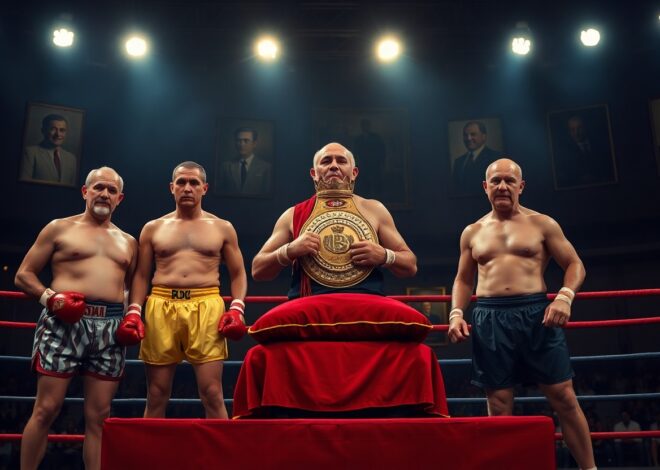
By the 19th century boxing shifted from rural bare-knuckle brawls to codified sport; the 1867 Marquess of Queensberry Rules mandated gloves, three-minute rounds and the ten-second count, transforming technique and safety. Prominent figures like John L. Sullivan in the 1880s bridged eras, while formal weight classes and commissions emerged late 1800s to early 1900s, setting the template that underpins much of modern ringcraft.
Origins and Evolution
Prizefighting in 18th-century England emphasized endurance and grappling, but after Queensberry boxing prioritized striking, footwork and timed strategy. By 1904 boxing entered the Olympics; regulatory bodies standardized rules and licensing. Safety reforms after high-profile tragedies in the 20th century led to reduced championship rounds-from 15 to 12 in the 1980s-and stricter medical protocols to limit long-term head trauma.
Key Techniques and Strategies
Traditional technique centers on the jab-cross-hook-uppercut combo, weight transfer from hips, and angled footwork; the high guard, Philly shell and peek-a-boo each trade mobility for protection. Fighters like Muhammad Ali used lateral movement and jab volume, while Mike Tyson exploited compact power and head movement under Cus D’Amato’s peek-a-boo system-showing how stance choice dictates offensive and defensive priorities.
Training reinforces those systems: 3-minute bag rounds, 6-12 rounds of sparring, and drill repetition build timing and power. Emphasis on rotation and hip torque produces knockout force; conversely, excessive full-contact sparring raises risk of repeated concussive blows. Modern coaches quantify output-combinations per round and punch accuracy-to sharpen strategy without sacrificing fighter health.
Modern Boxing Styles
Styles now range from classic out-boxers to hybrid switch-hitters; fighters like Floyd Mayweather use shoulder-roll defense, Vasiliy Lomachenko creates angles with footwork, and Terence Crawford shifts stances mid-fight. Trainers combine high-output pressure tactics with precision countering, while analytics such as CompuBox and video tracking optimize punch selection. The result is greater stylistic diversity and tactical specialization across weight classes.
Influence of Other Martial Arts
Cross-training borrows from Muay Thai for clinch conditioning, wrestling for balance and base, and MMA for controlled dirty-boxing drills; yoga and dance improve mobility and footwork. Coaches selectively import techniques-no kicks in boxing but clinching drills from Muay Thai enhance inside fighting. At the same time, full-contact cross-sparring can increase concussion risk, so many camps keep integration technical and limited.
Innovative Techniques and Training
Strength and conditioning now sits alongside skill work: athletes use HRV monitoring, GPS tracking, altitude tents, cryotherapy, and individualized periodization to peak for an 8-12 week camp. Most elite fighters schedule 3-5 strength sessions weekly, 2-4 interval cardio workouts, and limit heavy sparring to 2-3 sessions to balance power gains with brain safety. Data-driven recovery increases day-to-day training quality.
Typical elite week combines 60-90 minute skill sessions twice daily with targeted S&C: three sessions of Olympic lifts, plyometrics and sled work to build rate-of-force development, plus 2-3 HIIT cardio blocks. Video analysis flags defensive holes and assigns punch-per-minute targets (e.g., 50-80 purposeful punches per 3-minute round) while force-plate and radar track punch velocity and power. Nutritionists manage weight cuts with gradual 0.5-1 kg weekly targets during camp. Coaches commonly structure sparring as 6-8 technical rounds and only 2-3 heavy rounds weekly, emphasizing controlled contact to limit cumulative head impacts. Labs monitor HRV, sleep, and occasional blood lactate to fine-tune load; this fusion yields measurable gains in accuracy, power, and recovery while prioritizing long-term brain health.
Comparison of Training Regimens
| Traditional | Modern |
|---|---|
| Conditioning centered on long steady-state runs (5-10 miles) and high-rep calisthenics; emphasis on volume over specificity. | Periodized conditioning with VO2/threshold work, HIIT blocks (e.g., 6-10 x 400m), and sport-specific tempo runs. |
| Strength work limited to bodyweight, heavy bag rounds and manual resistance; minimal Olympic lifts. | Structured S&C: Olympic lifts, plyometrics and force-plate testing 2-4× weekly to build power and reduce injury. |
| Sparring often long and frequent (multiple long sessions per week); higher cumulative head-impact exposure. | Controlled sparring with load management, analytics, and planned tapering to limit acute brain trauma risk. |
| Recovery was basic-rest, massage, ice baths-nutrition not always periodized. | Data-driven recovery: HRV monitoring, tailored nutrition, sleep protocols, and active recovery sessions. |
Traditional Training Methods
Often built around sheer volume: daily jump rope (15-30 minutes), 3-5 miles run, multiple heavy-bag rounds and high-rep calisthenics; camps historically prioritized ring time and stamina, with sparring sessions sometimes lasting 8-12 rounds, which produced excellent conditioning but resulted in increased cumulative head trauma and limited measurable power development.
Contemporary Approaches to Training
Many modern camps use periodization-base aerobic weeks, strength/power blocks and a taper-combined with 2-4 S&C sessions weekly, GPS/HR monitoring and targeted HIIT; this approach boosts punch force and recovery while reducing unnecessary contact, though an overemphasis on heavy lifting can blunt speed if poorly programmed.
For example, a 12-week camp might start with 4-6 weeks of aerobic base (3-5 sessions/week), transition to 3-4 weeks of Olympic lifts and plyometrics (2 sessions/week), then a 1-2 week taper with controlled sparring; teams now use force-plate metrics and blood markers to adjust load in real time, producing more predictable gains in power and lower injury rates.
Equipment and Safety Gear
Gear remains a defining difference: traditional setups emphasize basic leather gloves, 180-inch hand wraps, and groin and gum shields, while modern camps add customized fits and embedded sensors. In practice, amateurs and sparring commonly use 12-16 oz gloves for padding, whereas professional fights use 8-10 oz gloves, which alters impact profiles and injury risk; headguards were removed from elite men’s amateur competition in 2013, shifting training and medical monitoring.
Traditional Boxing Gear
Traditional equipment prioritizes durability and feel: lace-up leather gloves (brands like Cleto Reyes and Everlast), long hand wraps (~180 inches / 4.5 m) for wrist and knuckle support, low-profile leather boxing shoes, plus mandatory gum and groin protectors in amateur rulesets; headgear provided face and temple coverage historically, but offered mixed results for reducing rotational brain forces.
Modern Enhancements and Technology
Sensors and materials science are layered onto basics: camps now use sensorized gloves and trackers (Hykso, PIQ, PunchLab) to log punch count, velocity and intensity, while manufacturers employ multi-density foams and heat-moldable, 3D-fit mouthguards to improve shock dispersion and retention; that data helps periodize load and tailor recovery in measurable ways.
More specifically, coaches set thresholds from sensor data (for example flagging sessions above 1,000 recorded punches) to limit high-impact sparring, and custom-fit mouthguards with embedded sensors allow event-by-event head-impact monitoring; though regulatory bodies often restrict wearables in competition, these tools have reduced training overuse and helped quantify force exposure in elite camps.
Rule Changes and Regulations
How Rules Have Evolved
Following high-profile incidents, regulators implemented targeted reforms: the WBC’s 1983 shift to 12 rounds, the 2013 AIBA decision to remove headgear for elite men, and the switch from punch-count scoring to the 10-point must at major tournaments. Many commissions standardized glove sizes, clarified the standing-eight and three-knockdown rules, and moved weigh-ins to limit extreme weight cutting.
Impact on the Sport and Athletes
Reduced rounds and stricter medical checks aimed to lower cumulative brain trauma, yet higher-per-round intensity raises acute concussion risk; commissions commonly enforce 30-60 day medical suspensions after knockouts and require MRI/CT clearance for fighters returning from serious head injury. Promoters now balance fan demand for action with mandatory recovery windows and wider use of baseline neurocognitive testing.
State commissions now mandate pre-fight blood work, cardiac screening and often baseline ImPACT cognitive tests; many jurisdictions impose 30-90 day suspensions after KOs depending on severity and loss of consciousness. AIBA reported fewer concussions after removing headgear in 2013 but an increase in facial lacerations, prompting calls for better cut management. Meanwhile, expanded WADA-aligned testing and random sampling have increased suspensions and deterred performance-enhancing drug use.
Cultural Impact and Popularity
Boxing remains a global cultural force, threading local gym culture and elite spectacle: grassroots programs like the Golden Gloves (founded 1923) feed amateurs into pro ranks, while blockbuster pay-per-views and streaming deals redraw audiences. Events now draw millions of viewers worldwide, and celebrity crossovers reshape promotion and revenue, creating both sustained community engagement and high-profile commercial peaks.
Traditional Boxing’s Legacy
Neighborhood gyms and storied clubs continue to produce technical fighters and social mobility; Muhammad Ali’s activism and films like Rocky (1976) cemented boxing’s mythos. Amateur circuits still use classic drills-jab, slip, cut-off steps-and coaching lineages persist. At the same time, long-term neurotrauma remains a concern, with studies linking repeated head trauma to CTE and cognitive decline.
Modern Boxing in Popular Culture
Pay-per-view spectacles and streaming deals have amplified boxing’s reach: Floyd Mayweather vs. Pacquiao sold about 4.6 million PPV buys, and Canelo Álvarez’s 11-fight $365M DAZN deal redefined fighter economics. Social media stars and influencer bouts expand audiences, while promoters leverage global streaming to monetize both marquee fights and niche cards.
For example, Mayweather vs. McGregor (2017) sold roughly 4.3 million PPV buys, showing celebrity draws rivaling sport-driven matchups; promoters now prioritize marketable names, which brings huge revenues and broader interest but can also see sporting merit sidelined in matchmaking. Platforms like DAZN and YouTube have shortened promotion cycles and increased event access, attracting younger viewers and alternative revenue streams.
Final Words
With these considerations, boxing has evolved through science, refined tactics, and enhanced safety, yet its core-footwork, timing, power and the fighter’s mentality-remains intact. Modern fighters leverage data, varied stances and specialized conditioning, but the fundamentals taught in old gyms still underpin success. Appreciating both continuity and innovation clarifies how the sport adapts while preserving the skills that define true pugilism.
FAQ
Q: How have the core techniques and in-ring styles evolved from traditional boxing to modern styles?
A: Fundamentals-jab, cross, hook, uppercut, footwork and defense-remain the foundation, but emphasis and application have shifted. Traditional styles often prioritized rigid orthodox stances, long-range boxing, and classic peek-a-boo or Philly shell defenses. Modern styles mix those bases with more fluid movement, greater head-and-body movement, hybrid combinations, switch-hitting and deliberate use of angles. Fighters now integrate high-volume output, situational pressure fighting, and counterpunching with more planned clinch work. The tactical palette is broader, but timing, distance control and punch selection are still central.
Q: What changes in rules, equipment and officiating have altered how boxing is practiced today?
A: Equipment improvements (lighter, more protective gloves, advanced hand-wrap materials, wider use of custom mouthguards) have changed punch feel and defense strategies. Amateur and professional officiating evolved-amateur scoring moved away from single-point systems toward 10-point must in many places, and judging emphasis often favors effective aggression and ring generalship. Safety protocols (concussion protocols, stricter medical checks, regulated glove sizes) and removal of headgear at elite amateur levels shifted fight dynamics. Despite adjustments, the basic regulatory framework-round structure, fouls, weight classes-remains intact.
Q: How have training methods and athlete preparation changed, and what aspects have stayed the same?
A: Training now incorporates sports science: individualized strength and conditioning, periodized nutrition, recovery modalities (cold therapy, physiotherapy), cardiac monitoring, and data-driven technique analysis using video and analytics. Cross-training and specialized S&C coaches produce more explosive, conditioned athletes. Traditional elements-roadwork, shadowboxing, heavy bag, mitt work, sparring, and discipline in repetition-continue to form daily practice. Mental preparation, ring IQ development and coach-fighter relationship remain decisive factors in performance.