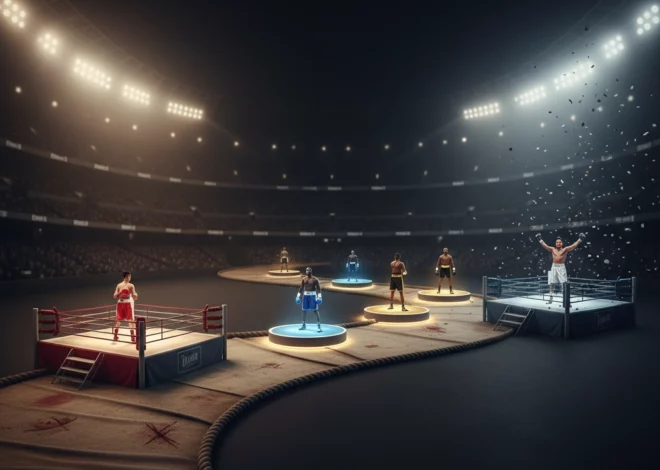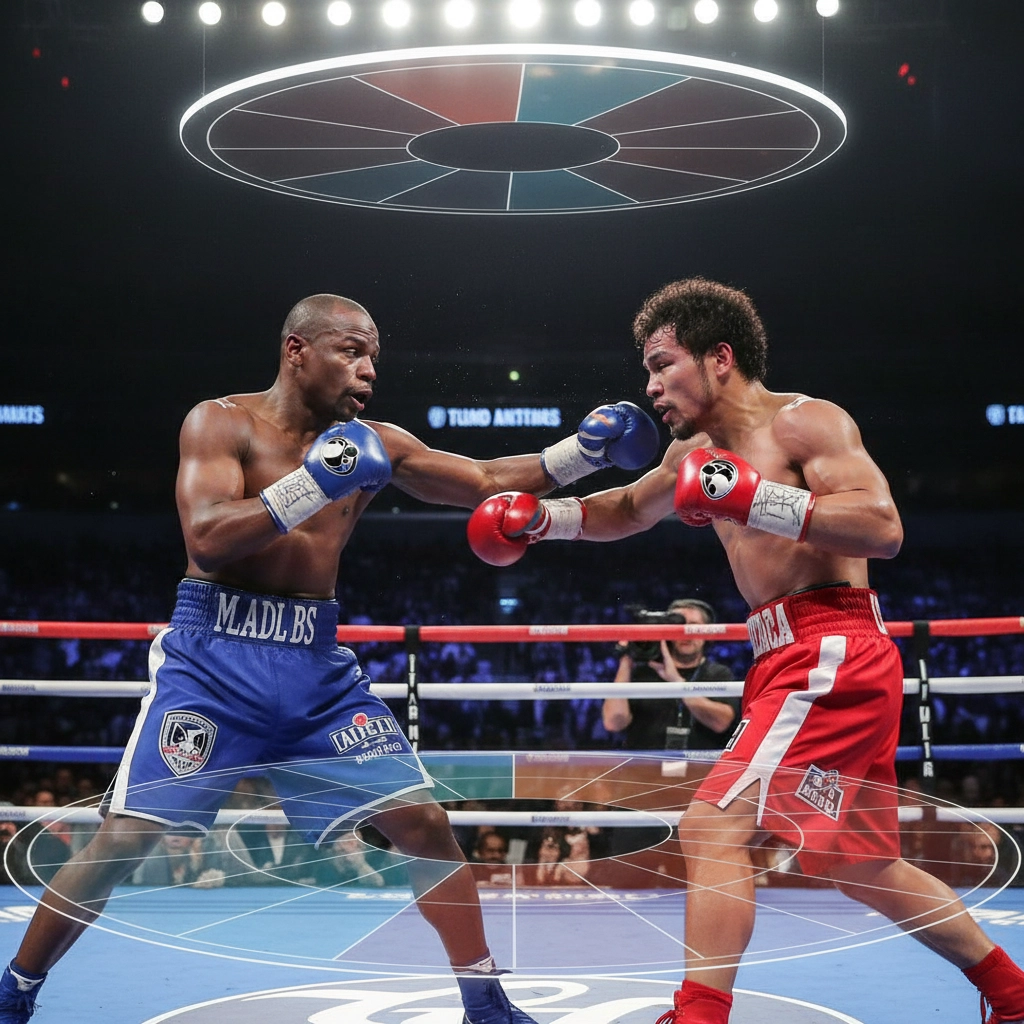
Mayweather vs Pacquiao: Round-by-Round Breakdown
Why Mayweather vs Pacquiao Became the Benchmark for Modern Boxing
You’re about to examine the early rounds of one of the most anticipated fights in boxing history. To understand the opening minutes, you need to see the contest not just as a marquee matchup, but as a clash of two contrasting philosophies. Floyd Mayweather Jr. relied on defense, timing, and ring IQ; Manny Pacquiao brought aggression, speed, and heavy southpaw angles. Those differences defined how each round unfolded and what you should look for as momentum shifted.
Before the first bell, several contextual details influenced how the opening rounds played out:
- Styles make fights: Mayweather’s shoulder roll and counterpunching favored movement and precision; Pacquiao’s forward pressure aimed to cut the ring and force exchanges.
- Physical condition and preparation: Both fighters entered with long resumes and clear game plans; you should note subtle conditioning cues—pacing and punch output—that became apparent early.
- Ring size and referee tendencies: The dimensions and how the referee managed clinches affected how Pacquiao could sustain pressure and how Mayweather could use lateral movement.
As you watch the opening rounds, pay attention to three things: distance control (who lands while moving), effective aggressiveness (quality, not just quantity of punches), and ring generalship (who dictates where exchanges happen). These metrics will help you evaluate each round more objectively than raw punch counts.
Early-Phase Tactics and the First Rounds You Should Study
The fight’s early phase is a chess match more than a brawl. You’ll notice Mayweather working to establish rhythm, testing Pacquiao’s timing with feints and quick jabs, while Pacquiao probes with angled attacks to find openings for his left hand. Below are round-by-round observations that highlight how the initial narrative was written.
Round 1 — Measuring and Momentum
In the opening minute you’ll see both fighters feel each other out. Mayweather typically uses the jab to set the range and to check Pacquiao’s forward movement; he also employs slight shoulder rolls to invite counters. Pacquiao, on the other hand, tends to snap the jab and immediately step off to create angles.
- Key action: you should watch for Mayweather’s lateral movement. If he circles smoothly, he’s executing his plan to make Pacquiao miss and tire.
- What to note: Pacquiao’s footwork—how often he cuts angles—reveals whether he’ll be able to trap Mayweather against the ropes later.
Round 2 — Testing the Counterpunch Game
By the second round the tentative exchanges become slightly more intentional. Mayweather often increases his counterpunch attempts here, baiting Pacquiao into committing so he can reply with precision. Pacquiao’s best strategy is to throw combinations that break rhythm—double jabs, then the long left cross from the southpaw stance.
- Key action: note the timing of Mayweather’s counters. A well-timed right hand or uppercut after Pacquiao’s entry changes the tempo of the round.
- What to note: whether Pacquiao’s punches land in bunches or as isolated shots. Bunches that contain body work can pay dividends later in the fight.
Round 3 — Increasing Pressure vs. Defensive Mastery
In many fights this is where the pressured fighter either blinks or adapts. For Pacquiao, Round 3 is often when he ramps up aggression, using quick bursts to test Mayweather’s chin and timing. For Mayweather, it’s a chance to show composure—he will let Pacquiao miss and then counter with selective counters rather than engage in a firefight.
- Key action: observe clinch management. If the referee allows frequent breaks, Pacquiao may struggle to sustain pressure; if he allows more contact, Pacquiao gets more opportunities to work inside.
- What to note: effective punches versus total punches. A high workrate from Pacquiao matters less if Mayweather’s counters are cleaner and more damaging.
By the end of these early rounds you should be able to articulate who controlled distance, who had the cleaner shots, and which tactical adjustments each fighter made. These assessments set up the middle rounds where stamina and sustained strategy will become decisive — in the next section you’ll get a round-by-round look at how the middle portion of the fight shifted momentum and revealed deeper strategic adjustments.
The Midfight Tug-of-War: Rounds 4–6
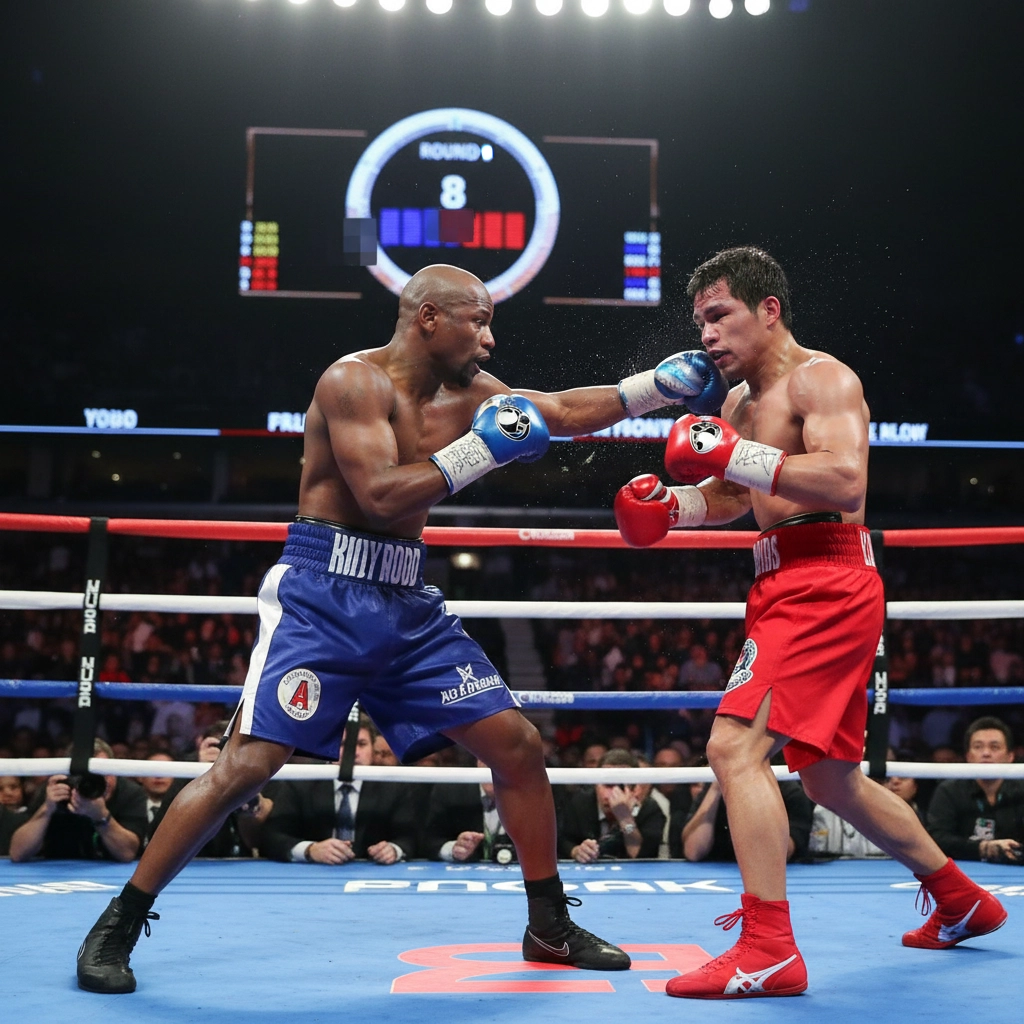
Now the fight settles into a pattern and small advantages begin to compound. Rounds 4–6 are where each man tests whether his game plan can be sustained under pressure. Mayweather’s goal is to keep exchanges brief and to score with counters that are visible to judges; Pacquiao’s job is to increase volume, land left hands from angles, and force Mayweather to fight off the back foot.
Round 4 often reveals who can impose a higher tempo. Pacquiao will attempt to cut the ring and engage in short, explosive flurries—double jab to the body, quick pivot, then the left hook or cross. Mayweather responds by changing levels and using the shoulder roll to smother the left and turn it into a countering opportunity.
- Key action: watch for the left hand landing as a scorekeeper. Even if it’s not heavy, an eye-catching left from Pacquiao on the head or body will influence rounds when activity is otherwise even.
- What to note: Mayweather’s reset mechanics—how he exits exchanges. If he uses the shoulder roll plus a single right hand and then immediately creates distance, he’s executing textbook control of the tempo.
Rounds 5 and 6 are where conditioning and tactical patience become apparent. Pacquiao’s bursts should be timed to exploit any drop in Mayweather’s lateral mobility; conversely, if Mayweather stays light on his feet and counters with accuracy, he will keep the rounds close. Footwork is the unsung metric here—who lands while moving and who is forced to plant their feet to trade?
- Key action: counter timing. A single, flush Mayweather right after Pacquiao’s entry often shifts perception of a round more than a string of jabs.
- What to note: body shots vs. head shots. Pacquiao’s ability to mix levels—especially sneaking a left to the body—can sap energy and increase the effectiveness of later head attacks.
Shifting Tactics and the Championship Stretch: Rounds 7–9
Entering Rounds 7–9 you should expect subtle tactical tweaks: Pacquiao may longer commit to headhunting and instead try to land more combinations inside; Mayweather may begin to slow the pace even more, choosing moments carefully to puncture bursts and keep his defensive posture intact. These rounds often determine whether the fight remains a tactical chess match or opens into a more decisive exchange.
Round 7 is a bellwether—if Pacquiao has landed sustained work earlier, he often presses harder here to convert pressure into visible damage. Mayweather, sensing this, could focus on countering while tying up or stepping out to prevent sustained inside work. Watch how each man handles short-range exchanges; clinch efficiency becomes crucial.
- Key action: inside boxing. Effective elbow-and-forearm positioning during clinches will limit Pacquiao’s left hooks and reduce scrums that might otherwise benefit the aggressor.
- What to note: referee separation. How often the referee breaks them and how cleanly he restarts action affects whether Pacquiao can string meaningful combinations together.
Round 8 often reveals mental wear. Mayweather’s discipline—sticking to counters, avoiding reckless engagement—can look conservative but scores well. Pacquiao’s challenge is to keep the output high without sacrificing shot quality. If fatigue shows in Pacquiao’s footwork, his angles flatten and Mayweather’s counters become easier to land.
- Key action: look for snap in punches. A sharp, visible counter or a compressing left from Pacquiao that shifts the opponent’s head will register with both the crowd and judges.
- What to note: punch selection under duress. When both men are tired, the fighter who chooses the cleaner, more effective punches wins rounds even with fewer total blows.
Round 9 is frequently a catalyzing moment: either the aggressor sustains pressure and visibly turns the tide, or the defensive boxer consolidates a lead by nullifying entries and scoring decisive counters. This is where you should begin to form a clearer view of likely judges’ tallies—who has controlled ring geography, who has landed the cleaner shots, and who occupies momentum going into the late rounds.
Scoring the Middle Rounds: What Judges See Versus What You Notice
When assessing the middle portion of the fight, remember that judges score rounds based on effective aggression, defense, ring generalship, and clean punching. What a neutral viewer sees—volume and excitement—doesn’t always match what a judge records. Here are the subtle markers that sway official scoring in the middle rounds.
- Effective aggression: It isn’t just forward movement; it’s whether that movement results in meaningful, scoring blows. Pacquiao’s forward work must land visibly to count.
- Defense: Mayweather’s defensive counters are scored not only for avoiding punches but for landing immediate replies. A missed Pacquiao left followed by a sharp right hand is a round-turner.
- Ring generalship: Who dictates where clinches occur and who forces the action against the ropes? Controlling the geography of the ring impresses judges even if punch counts are comparable.
- Clean punching: Judges prioritize clear, flush shots over grazes. Look for punches that move the opponent or snap the head; those are the rounds’ most persuasive evidence.
As you watch these middle rounds again, tally not just volume but the visible impact of punches, the success of tactical adjustments, and who walks away appearing more composed. Those judgments form the backbone of a fair, round-by-round evaluation heading into the championship’s decisive final third.
The Decisive Final Rounds: 10–12
By the championship stretch, everything that has accumulated—damage, ring control, and mental edge—comes into focus. Rounds 10–12 often decide close fights because judges look for visible effects and who finishes stronger. Expect Pacquiao to either push the pace to overturn close cards or to gamble on high-volume bursts; Mayweather’s objective is to remain precise, avoid prolonged engagements, and land telling counters that register on the scorecards.
- Key action: late-round countering. A crisp, well-timed right or a left hook as Pacquiao moves in can swing a round even if overall output favors the aggressor.
- What to note: effectiveness under fatigue. Watch which fighter maintains footwork and hand speed—those preserved attributes often create cleaner, more impactful punches in the final minutes.
- Clinch and restart dynamics: frequency and control of clinches influence ring generalship; a fighter who forces tie-ups to blunt offense can still win rounds by denying clean work.
These rounds reward the boxer who executes his plan while adapting to what has happened earlier—if Mayweather has consistently landed counters, an identical pattern in Round 12 reinforces judges’ impressions; if Pacquiao lands a decisive sustained attack, he can convert perceived momentum into scoring value.
Closing Observations
When you rewatch rounds or judge them live, prioritize clear, scoring blows, ring control, and whether a fighter’s tactics force answers from his opponent. Small, visible details—head snaps, bodyshots that change posture, and how a fighter exits exchanges—matter more than headline-grabbing volume. For a deeper dive into punch-by-punch numbers from major fights, consult the CompuBox punch stats at CompuBox punch stats.
Ultimately, Mayweather vs Pacquiao is a study in contrasting styles: precision and defense versus pressure and angles. Watching with an eye for the scoring markers described here will make the round-by-round narrative clearer and the judges’ decisions easier to understand.
Frequently Asked Questions
How do judges differentiate effective aggression from mere activity in rounds between Mayweather and Pacquiao?
Judges look for aggression that results in clean, visible punches that affect the opponent—not just forward movement or high punch counts. Effective aggression combines landing with control of the ring and the ability to make the opponent respond or retreat.
Why are middle rounds (4–9) so important in close fights like Mayweather vs Pacquiao?
Middle rounds establish rhythm, wear, and tactical leads. They reveal which game plan is sustainable, show conditioning effects, and supply the pattern—clean counters or successful pressure—that judges use to form consistent scoring through the fight.
What should a viewer watch to judge rounds accurately at home?
Focus on clean punching (shots that snap the head or visibly affect posture), ring generalship (who dictates distance and location), effective defense (counters and avoidance), and the quality of punches in late rounds when fatigue sets in. These markers align most closely with what judges reward.