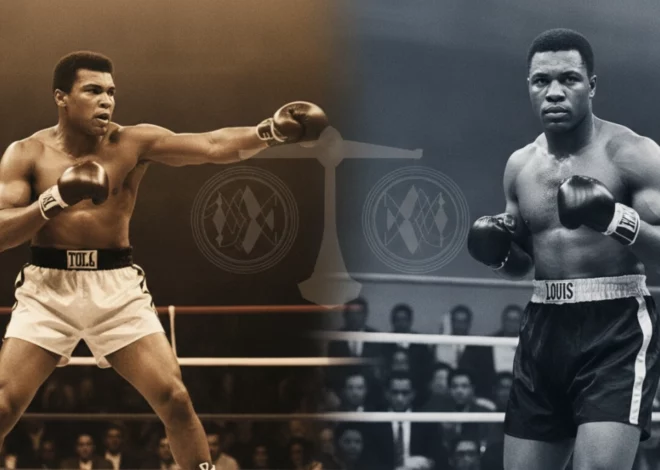
Joe Louis Boxing Record: Complete Career Overview and Historical Context
How Joe Louis’s early rise set the stage for a modern heavyweight era
You’re approaching one of the clearest turning points in 20th-century boxing when you study Joe Louis’s early career. Louis did more than compile wins; he arrived at a moment when the sport, national identity, and mass media were converging. Understanding his beginnings helps you place his later accomplishments — long title reign, record defenses, and cultural symbolism — into perspective.
When Louis turned professional in the mid-1930s, boxing was already a centerpiece of American sports culture, but heavyweight champions carried outsized attention. You should note that Louis both benefited from and reshaped that attention: his disciplined style and knockout power made him a marketable champion, while his race and the geopolitical climate of the era magnified the significance of key fights.
From rookie to contender: the first professional years and pivotal early fights
Turning pro and building momentum
You’ll see that Louis’s transition from amateur to professional was rapid and methodical. After leaving the amateur ranks, he began compiling consecutive victories against a range of regional and national opponents. Those early bouts were as much about experience and conditioning as they were about improving his record—Louis developed a lean, efficient style focused on fundamentals: a powerful straight right, tight defense, and the stamina to finish fights late.
Rather than relying on flash, Louis’s team focused on steady matchmaking. The result was a string of decisive wins that established him as a credible contender and positioned him to challenge established top heavyweights within a few years of his debut.
The 1936 upset that defined a career trajectory
One of the most instructive moments in Louis’s early record came in 1936, when he met Max Schmeling. Schmeling’s victory over Louis was a surprising upset at the time and remains a frequently discussed chapter in Louis’s career. For you, that loss illustrates several important lessons: the fragility of early momentum, the way a single defeat can reshape public perception, and how a boxer’s response to adversity often reveals their championship character.
Louis used the defeat as a learning moment. You can trace clear adjustments in his technique and fight preparation in the months that followed. Instead of derailing his ascent, the Schmeling fight sharpened Louis’s focus and added urgency to his pursuit of the heavyweight crown.
- Key turning points to note: rapid professional ascent after 1934; the loss to Max Schmeling in 1936; and the strategic rebuild that led to a title shot the following year.
- Why these matter to you: they explain how Louis matured as a boxer and why his eventual title win carried both sporting and symbolic weight.
With that foundation in place, the next section will examine the world title fight that made Louis champion, his early defenses, and how official record totals and knockout rates began to define his legacy.
Winning the crown: Louis vs. Braddock and the responsibilities of a champion
When Joe Louis finally met James J. Braddock for the heavyweight title in 1937, it wasn’t just another title change; it was the moment his methodical climb coalesced into national prominence. Louis took the title decisively, and the immediate consequence was a shift in how he was managed and presented. No longer was he simply a promising contender—he was the standard-bearer for the division.
As champion, Louis’s camp moved deliberately. Matchmaking emphasized both preservation of the title and bouts that would extend his public reach. Promoters and the press treated him with increasing ceremony, and Louis responded in the ring by delivering the kind of consistent, often brutal, performances that made title defenses must-see events. You should recognize that taking the crown changed his calendar: fewer risky experimentations, more high-profile defenses, and a growing intersection with broader national narratives.
The 1938 Schmeling rematch — sport, politics, and a single punch
If you want a shorthand for how sport and world events intersected in Louis’s career, you’ll find it in the 1938 rematch with Max Schmeling. The first meeting had been an upset that exposed vulnerabilities; the second became one of the most consequential hours in boxing history. Louis dispatched Schmeling in the first round with a right hand that landed at the 2:04 mark — a knockout that transcended the ring.
To you, the fight illustrates a few intertwined realities. First, it showed how technical adjustments and psychological preparation can translate into dramatic reversal. Second, the bout was framed by contemporary geopolitics: with Europe on edge, American and international observers read the outcome as something beyond sport. Louis’s emphatic victory amplified his status as a unifying figure for many Americans and intensified media coverage of his subsequent defenses.
A reign measured in defenses and knockouts: stats, scrutiny, and legacy
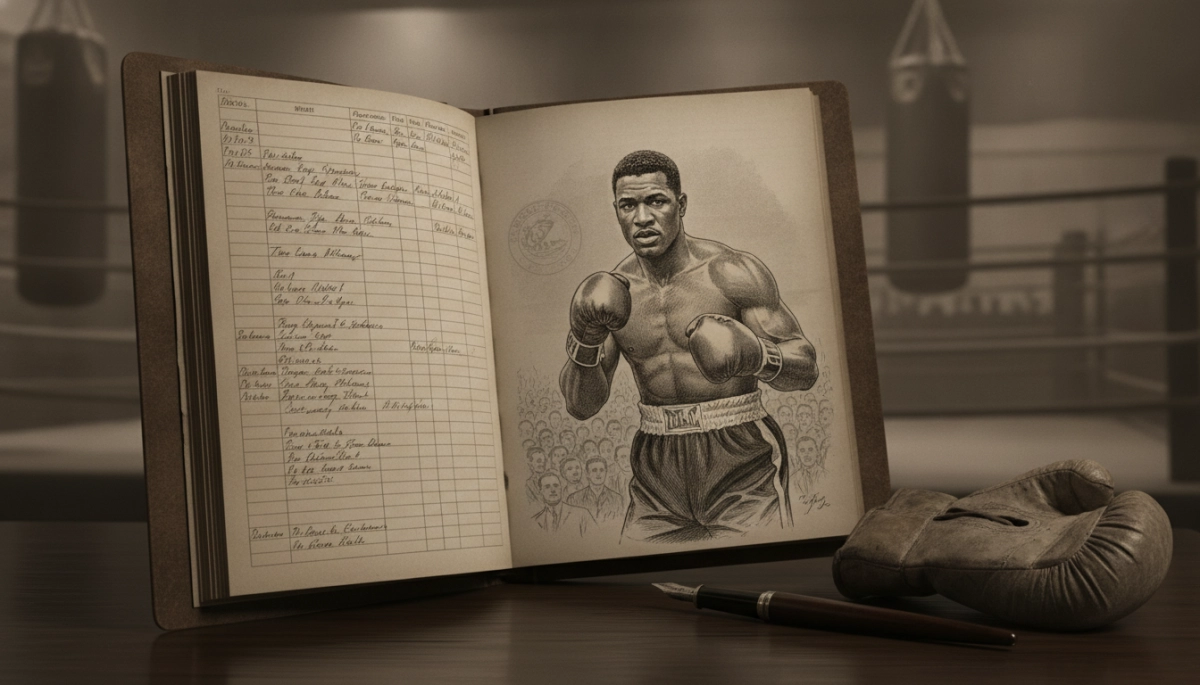
Numbers are central to Joe Louis’s myth. He held the heavyweight championship from 1937 to 1949 and made a then-record 25 successful title defenses. His official professional ledger lists 66 wins (52 by knockout) against only three defeats — a knockout percentage that sits near 79 percent. Those figures explain why generations of fans and historians place him among the most dominant heavyweights ever.
At the same time, those same numbers invite scrutiny. Critics and historians debate the depth of some opponents, the role of matchmaking in protecting a champion, and how wartime interruptions (Louis served in the Army during World War II and boxed in many exhibitions) affected activity and public perception. Still, when you compare his run to the champions who came before and after, the combination of longevity, frequency of defenses, and finishing power stands out. Louis didn’t just win often; he frequently ended fights on his terms — a factor that helps explain why his record continues to be a central reference point in heavyweight histories.
In short, the crown transformed Joe Louis from an aspiring boxer into a cultural institution, and his rematch victories, defense totals, and knockout rate became the primary evidence for his claim to greatness. The next part will examine how the later years of his career, the post-championship decline, and the changing boxing landscape recontextualized those achievements.
Later career, retirement, and life after the ring
After more than a decade at the top, Joe Louis’s activity slowed and his performances reflected the wear of a long career. He boxed sporadically after relinquishing the championship, staged a brief comeback, and in 1951 met Rocky Marciano in what became his final professional contest. Following that defeat Louis retired from championship competition and shifted his public focus to exhibitions, appearances, and community engagements.
Outside the ring, Louis’s life was a mixture of honor and hardship. He remained a widely admired figure — celebrated for his wartime service and for the manner in which his career intersected with American social change — even as he confronted financial and health challenges in later years. Over time, recognitions and institutional honors (including boxing hall of fame inductions and commemorations) helped secure his place in sporting memory.
Public roles and recognition
- During and after his career Louis performed in benefit exhibitions and represented boxing in public forums, reinforcing his visibility beyond sport.
- He has been the subject of biographies, documentaries, and scholarly work that examine both his athletic achievements and his broader cultural impact.
- Formal honors and continued references to his title reign and defenses keep his name central to heavyweight histories and debates about the greatest champions.
Enduring significance
Joe Louis’s record and the arc of his life function less as an isolated athletic résumé than as a lens on mid-20th-century America: sport, race, national identity, and the evolving business of boxing. His combination of sustained championship success, high knockout rate, and symbolic presence ensured that subsequent generations measure champions against his standard. For readers who want a concise, authoritative reference on his career and public life, see the overview at Joe Louis — Britannica.
Whether you approach Joe Louis primarily as an athlete, a cultural figure, or both, his career remains a vital chapter in boxing history — a benchmark against which dominance, longevity, and social resonance are still judged.