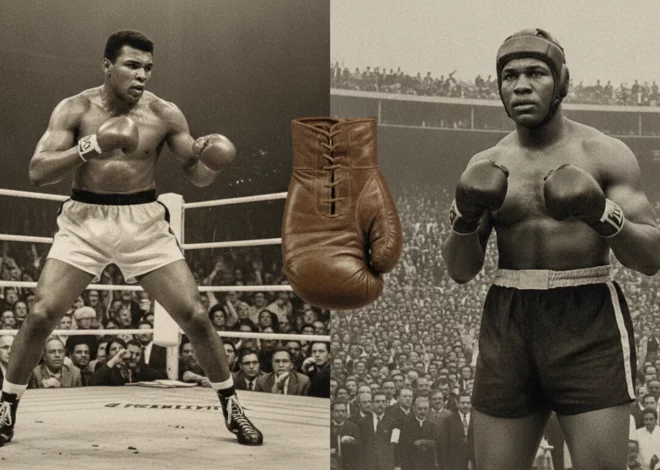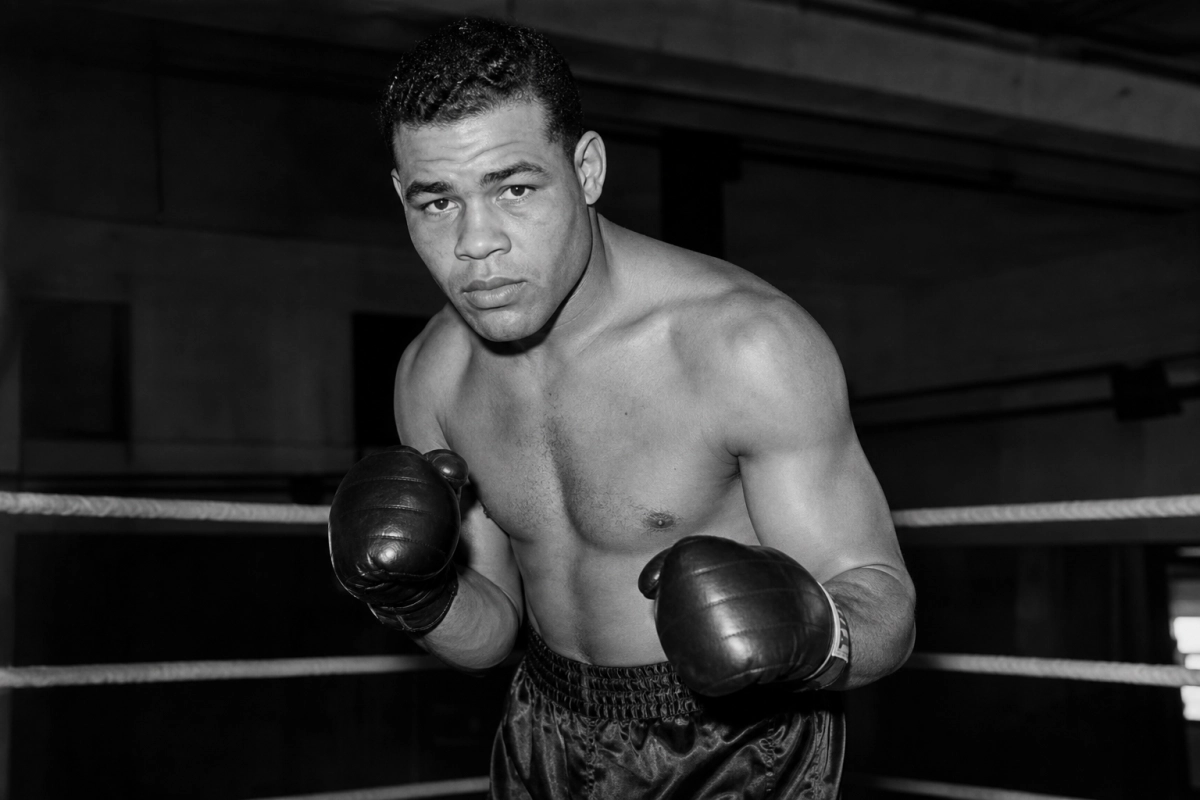
Joe Louis Brown Bomber: Boxing Hall of Fame Inductee and Cultural Icon
Why Joe Louis Still Matters in Boxing and American Culture
You may already know Joe Louis as one of the greatest heavyweights in boxing history, but appreciating his full significance requires looking beyond wins and losses. When you study Louis, you see how an athlete became both a sporting titan and a symbol in a racially divided nation. This section helps you frame his importance so you can follow how his life and career intersected with broader social change.
As you read, think about the roles athletes play in shaping public attitudes. Louis’s career took place during the 1930s and 1940s, a period when professional sports were becoming mass entertainment and mass media. You’ll discover how his achievements in the ring and conduct outside it made him a uniquely influential figure whose legacy earned him a place in the Boxing Hall of Fame and in the cultural memory of the United States.
Early Life and the Making of the “Brown Bomber”
From Rural Beginnings to Detroit’s Boxing Scene
You’ll find that Joe Louis’s story begins far from Madison Square Garden. Born in 1914 in the segregated South, he moved with his family to Detroit—part of the Great Migration that reshaped American cities. In Detroit you can see the environment that forged his discipline: industrial neighborhoods, community gyms, and a competitive amateur circuit where toughness and technique were honed simultaneously.
Louis’s early experiences in motor city neighborhood boxing clubs and his military-style approach to training helped him develop the power and economy of motion that later defined the “Brown Bomber” persona. When you examine his amateur record and early professional bouts, patterns emerge: efficient footwork, devastating straight punches, and an ability to control tempo.
Early Milestones That Pointed Toward Greatness
Take note of the early milestones that signaled his future Hall of Fame status. These are not just dates; they’re indicators of rapid development and growing public recognition.
- Amateur prominence: You can trace his instincts and discipline back to notable amateur successes that attracted local attention.
- First professional wins: His early pro career featured a string of knockouts that showcased his power and marketability.
- Rise through rankings: By the mid-1930s, you can see him climbing toward heavyweight contention, drawing larger crowds and national press.
Understanding these milestones helps you place Louis’s later achievements in context. You’ll be better equipped to appreciate how a combination of skill, timing, and public appeal led to his nickname, “The Brown Bomber,” and set the stage for the championship era that followed.
Next, you’ll examine Joe Louis’s championship reign, his most famous fights, and how those moments cemented his status as a Hall of Famer and a cultural icon.
The Championship Reign: Dominance, Discipline, and a Record That Stood
When Joe Louis captured the heavyweight crown he did more than win a belt — you can see a model of consistency and scientific fighting rarely matched in any era. From the moment he became champion, Louis imposed a style predicated on economy of motion, positional awareness, and devastating straight punches. Those technical habits let him do something exceptional: defend his title, again and again, against a steady stream of top contenders without the prolonged slumps or stylistic collapses that have undone many champions.
What matters for your sense of his greatness is how sustained that superiority was. Louis defended the title more times than any other heavyweight in history, compiling a run of defenses that established a standard for reliability and preparation. He didn’t rely on flash; he relied on fundamentals practiced until they became second nature. That meant controlling distance, cutting off the ring, and finishing opportunities with a straight right or left hook that opponents feared long before they were trapped.
You should also note how his team managed his career: measured matchmaking early on built his public profile, while careful training preserved his effectiveness during a grueling schedule of big-city shows. In short, his reign fused athletic mastery and promotional savvy, so that the “Brown Bomber” was both an elite athlete and a consistent draw for the sport. Those elements—skill, discipline, and an ability to perform on the biggest stages—are central to why boxing historians and the Hall of Fame regard his championship period as one of the sport’s definitive eras.
Defining Fights: The Schmeling Rematch, Billy Conn, and Moments That Transcended Sport
If you want to pinpoint where boxing turned into cultural spectacle, look at several of Louis’s headline bouts. Each contained sporting drama and broader social meaning, and together they helped turn a single boxer into a national figure.
The rematch with Max Schmeling is the clearest example. Schmeling’s earlier victory had been cast as a symbolic blow to American pride; when Louis demolished Schmeling in the rematch with a first-round knockout, the result resonated far beyond titles and rounds. For many Americans, the fight felt like a repudiation of threatening ideologies abroad — an instance in which an athletic contest was read as national statement.
Another fight that shows Louis’s range was his bout with Billy Conn. Conn, a skilled and faster challenger, nearly upset Louis by boxing smart and accumulating points. But Louis’s late-round power and refusal to relent produced a dramatic knockout that preserved his reign and demonstrated his ability to adapt under pressure. These contests reveal two sides of Louis you should recognize: the capacity to end fights explosively and the patience to impose a long-term game plan when required.
When you study these moments, focus on how the ring action intertwined with media narrative and public emotion. Newspapers, radio, and later newsreels took boxing beyond local arenas into living rooms and theaters, and Louis’s performances were the images people talked about when the nation needed heroes or symbols. Those fights, therefore, are part of both sporting history and American cultural history — prime reasons he remains a Hall of Fame figure and an icon remembered far beyond boxing fans.
Enduring Reach: Why Joe Louis Still Resonates
Joe Louis’s life and career continue to matter because he exemplifies how sport can shape national conversation without surrendering its complexity. His image — disciplined athlete, reluctant ambassador, imperfect hero — keeps prompting questions about race, representation, and the responsibilities placed on public figures. Those tensions make his story relevant to conversations about athletes today, not as a neat lesson but as a durable case study in influence and cost.
Remembering Louis means attending both to his technical mastery and to the social forces that elevated and constrained him. That work requires nuance: honoring achievement while acknowledging the ways systems and media framed his role. In that spirit, Louis’s legacy invites historians, fans, and new generations of athletes to consider how fame can be a platform and a burden at once.
Further reading