Top Famous Boxing Matches and Their Impact on Rules
How landmark fights taught you the limits of old rules
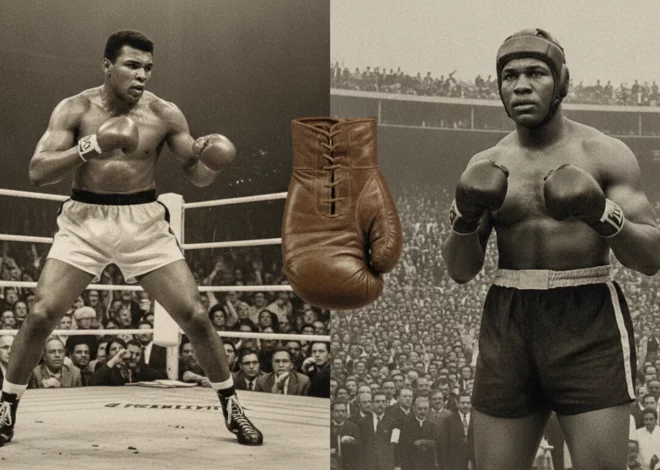
You learn to see boxing not just as athletes exchanging punches, but as a rulebook that had to be rewritten repeatedly. Certain fights exposed dangerous loopholes, inconsistent officiating, or social consequences that made regulators act. When you look back at the sport’s history, you’ll notice patterns: chaotic bouts prompted standardization; controversial endings demanded clearer referee powers; tragic outcomes accelerated safety reforms.
Key rule shifts you should recognize
- From bare-knuckle to gloved competition: recognition that padding and timed rounds changed the nature of fighting and injury profiles.
- Referee authority and foul definitions: controversial stoppages and illegal tactics forced clearer enforcement language.
- Medical and safety protocols: fatalities and severe injuries led to mandatory ringside medical staff, pre-fight screenings, and changes to round limits.
Matches from the late 19th to mid-20th century that revealed rule weaknesses
The late 1800s were a turning point you’ll see reflected in the rules themselves. The Marquess of Queensberry Rules, written in 1867, promoted gloves and structured rounds, but adoption was gradual and uneven. High-profile bare-knuckle bouts under older London Prize Ring conventions made the limits of informal enforcement painfully visible.
Why the Sullivan–Kilrain fight mattered to the rules transition
John L. Sullivan’s 1889 match against Jake Kilrain was fought in the twilight of bare-knuckle championship contests. You can view it as symbolic: long rounds, grappling elements, and minimal medical oversight emphasized the need for a consistent, modern code. As gloved bouts became popular, you noticed licensing, standardized round times, and clearer illegal-action definitions gaining traction.
Tragic outcomes that changed how you think about safety
When fatalities occurred, commissions reacted quickly. The 1982 death of Duk Koo Kim after his bout with Ray Mancini is one of the most consequential examples: public outcry and medical concern led many governing bodies to shorten championship fights from 15 to 12 rounds and to strengthen pre- and post-fight medical examinations. That shift shows how one match can alter international practice almost overnight.
Controversy-driven clarity: how ambiguous stoppages forced rule updates
Controversial knockouts and alleged fouls created pressure for better definitions and stronger referee powers. For example, the bewildering nature of some late-round stoppages and “phantom punch” knockouts in the 1960s prompted commissions to emphasize referee discretion, quicker medical intervention, and tighter rules about what constitutes a legal blow. You began to expect clearer guidelines and more consistent officiating as a result.
Having established how early fights exposed rule shortcomings and prompted safety reforms, you’re now ready to examine specific famous bouts—like Ali–Liston, Tyson–Holyfield, and others—and the exact rule changes or enforcement shifts each produced.

Ali–Liston and the “phantom punch”: how one KO shook confidence in outcomes
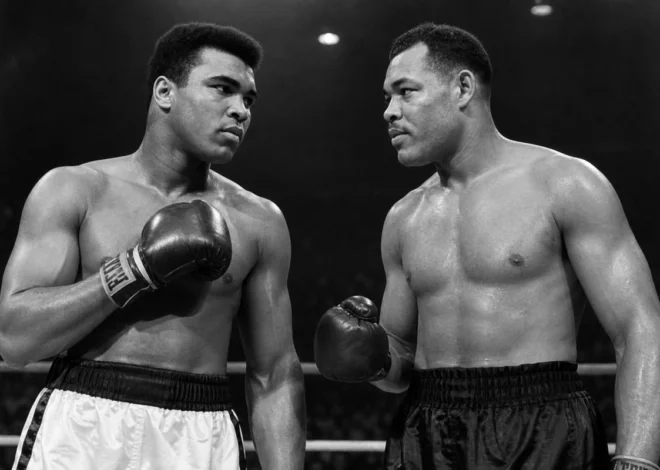
You’ve probably seen the frame-by-frame stills of that 1965 rematch: Liston hits the canvas almost instantly after a quick right, and everyone—including you—wondered whether the blow was decisive or the result of something darker. The “phantom punch” controversy didn’t invent questions about fix allegations, but it did amplify them. Prominent fighters, managers, and fans began to demand clearer standards for counts, quicker medical examinations after knockdowns, and better documentation of what happened in the ring.
That bout pushed commissions and promoters to think beyond immediate officiating. You start to recognize a few consequences: athletic bodies increased scrutiny on officials’ credentials and impartiality; ringside physicians and emergency protocols became more consistently mandated; and record-keeping—round-by-round logs, judge scorecards, official reports—became a tool to rebuild trust when outcomes looked suspicious. While the sport never eradicated doubt entirely, Ali–Liston taught you that controversial KOs force regulators to prioritize transparency and to give referees firmer procedures to follow when a fallen fighter’s reaction seems incongruent with the strike delivered.
Tyson–Holyfield II and the ear-bite: when enforcement needed teeth
When Mike Tyson bit Evander Holyfield’s ear in 1997, the immediate image was chaotic and visceral—but the institutional response is where the rule change story gets interesting for you. The bite was an egregious, blatant foul that exposed gaps in deterrence: monetary penalties and suspensions existed, but many fans and officials wanted to see whether those sanctions would actually alter conduct.
The Nevada commission’s heavy-handed response—revoking Tyson’s license and imposing one of the sport’s largest fines at the time—sent a clear message. You began to notice three practical shifts. First, commissions exercised their disqualification powers more decisively when infractions threatened safety or the sport’s integrity. Second, sanctioning bodies and promoters strengthened pre-and post-fight disciplinary procedures so penalties would be swift and consistent. Third, the bout highlighted the need for better ring-side control: quicker intervention by referees, clearer instructions about what constitutes gross misconduct, and a renewed emphasis on disciplining corner teams and handlers who fail to restrain a fighter. Tyson–Holyfield II demonstrated that when an act is so flagrantly outside the accepted norms, the response must be equally forceful to preserve the sport.
Margarito’s wraps scandal: tightening how hands are prepared and watched
You don’t always think about what happens before the bell rings, but Miguel Ángel “Margarito”’s wraps scandal made everyone look closely. When illegal substances and hardened wraps were discovered, it wasn’t just an ethical breach—it was a technical loophole that could convert standard gloves into weapons. The fallout forced commissions to rewrite the choreography of fight-day preparations.
After that incident you began to see practical safeguards implemented across jurisdictions: mandatory presence of commission inspectors during the entire wrap process, standardized approved materials for gauze and tape, immediate pre-fight glove inspections (including photos or sealing), and tougher penalties for anyone caught manipulating wraps. The scandal also accelerated the practice of videotaping wrap sessions to provide an audit trail. In short, a backstage deception shifted regulatory focus onto the unseen minutiae of fight prep—because those details matter as much as what happens under the lights.

Looking Ahead: Rules as Living Tools
Boxing’s rulebook will never be finished; it is a living tool that must respond to new tactics, technologies, and ethical expectations. What matters most is the culture around enforcement—transparent processes, trained officials, and accountable commissions that act quickly when boundaries are crossed. Advances such as medical imaging, standardized pre-fight protocols, and limited use of video review can reduce ambiguity, but they work only if stakeholders insist on consistent implementation.
Regulators, promoters, fighters, and fans all play a part: vigilance discourages dangerous shortcuts, and clear, enforceable rules preserve the sport’s legitimacy. If you want to see how commissions coordinate standards and guidance across jurisdictions, consult the Association of Boxing Commissions for examples of current practices and recommendations.
Frequently Asked Questions
Why were championship fights shortened from 15 to 12 rounds?
The change followed high-profile medical tragedies that raised concerns about prolonged exposure to head trauma; shortening championship fights to 12 rounds was adopted widely to reduce cumulative injury risk and prompt earlier medical intervention when needed.
What immediate rule or enforcement changes followed the Tyson–Holyfield II ear-bite?
Commissions used the incident to demonstrate decisive sanctions: they more readily applied disqualifications and license suspensions, increased fines, and emphasized stronger ring-control duties for referees and corner teams to prevent gross misconduct.
How have authorities reduced the risk of illegal hand wraps after scandals like Margarito’s?
Measures include mandated presence of commission inspectors during the entire wrap process, the use of approved materials, pre-fight glove inspections (often documented), videotaping or photographic records of wraps, and stiffer penalties for violations to deter tampering.