A Detailed Boxing History Timeline of World Champions
Why the story of early world champions matters to your understanding of boxing
You study a boxing timeline not to memorize names alone, but to trace how the sport’s rules, social context, and myths shaped the meaning of being a “world champion.” Early titleholders emerged in eras when recognition came from reputation, crowd acclaim, and press reports rather than centralized sanctioning bodies. Knowing how those champions were crowned helps you read later developments — the rise of weight classes, the codification of rules, and the global spread of boxing — with clearer perspective.
What “champion” meant before modern belts
In the 18th and 19th centuries, a champion could be the best-known fighter in a region or someone who defeated a widely recognized rival. You should expect overlap between local prestige and claims to wider authority: a London champion might be treated as the best in Britain, and from there some were called “world” champions by eager newspapers and promoters. This informal system produced legendary names and controversies that defined boxing’s folklore.
From bare-knuckle bouts to named first champions (late 1700s–mid 1800s)
The earliest champions you encounter in boxing history fought under prizefighting rules — long, brutal contests with few formal round limits and often little protection. These pioneers established reputations through public matches, patronage, and press coverage rather than belts or governing bodies.
- Jem Belcher (late 1700s–early 1800s): celebrated in England as a skilled bare‑knuckle fighter whose career helped popularize prizefighting among the public and aristocracy.
- Tom Cribb (early 1800s): held wide acclaim as an English champion, famous for high‑profile contests that burned his name into early boxing lore.
- Tom Molineaux (early 1800s): an American ex‑slave who challenged British champions; his international fights exposed you to early transatlantic interest in championship claims.
These figures illustrate how championship status relied on public spectacle, patron support, and media narrative. You’ll notice patterns: champions attracted large, often rowdy crowds; their victories were retold by newspapers; and rematches or disputed outcomes produced lingering debates — all precursors to later institutional reforms.
How formal rules and the gloved era began to change who you called a champion
The mid‑ to late‑19th century introduced rule changes that mattered for championship legitimacy. The Marquess of Queensberry rules — promoting gloves, timed rounds, and more regulated conduct — gradually replaced older prizefighting customs. As you trace the timeline, watch for figures who bridged both worlds.
- John L. Sullivan (late 1800s): often cited as the last bare‑knuckle heavyweight champion and the first widely recognized gloved champion; his career marks the transition you should pay attention to.
- Promoters and newspapers began to treat certain victories as definitive title claims, setting the stage for later sanctioning bodies and formal belts.
Understanding these early shifts prepares you to follow how the 20th century institutionalized championships: the next section will explore the emergence of formal organizations, the birth of weight‑class champions, and the global rivalries that created the belts you recognize today.
Institutionalizing the title: sanctioning bodies, codified weight classes, and early 20th‑century legitimacy
As you move into the 20th century, one of the biggest inflection points is the formalization of who could legitimately claim a “world” title. State athletic commissions, newspapers, and—later—national organizations began to codify champions. The New York State Athletic Commission and the National Boxing Association (founded 1921, later the WBA) are early examples of bodies whose recognition increasingly determined championship status. Rules became standardized, weigh‑ins were regularized, and promoters negotiated with commissions to stage title bouts under clear contractual terms.
Alongside institutional change, weight divisions crystallized. Where early prizefighting had been dominated by open‑weight contests and informal classes, by the 1900s you see a clearer ladder of titles from flyweight through heavyweight. This structure made it possible for more athletes to become “world champions” in a meaningful way: each division had its own lineage and set of contenders. The political influence of commissions and the press meant that a single defeat in a sanctioned title fight usually produced a widely accepted transfer of status.
Key figures of this era illustrate the new legitimacy: Jack Johnson (the first African American world heavyweight champion, 1908–1915) forced boxing and the public to confront race, nationality, and media narratives tied to championship claims. His reign showed how a recognized, commission‑backed title could have social as well as sporting consequences.
The heavyweight as a global symbol: interwar and postwar champions (1920s–1960s)
Between the World Wars and into the postwar years, heavyweight champions became international icons. Jack Dempsey and Gene Tunney popularized the sport in the 1920s; they were household names whose title fights drew massive crowds and press coverage. Joe Louis’s long reign (1937–1949) elevated the championship to national importance—his victories were framed as symbolic during World War II and helped shift public attitudes about race in the United States.
Beyond the heavyweight division, fighters like Sugar Ray Robinson redefined excellence in the middleweight and welterweight ranks, demonstrating that championship status could be built on technical mastery as well as brute force. You should notice that in this era the champ’s image—national hero, cultural figure, or controversial symbol—often mattered nearly as much as the belt itself. Promoters, radio and later television broadcasts turned title fights into mass spectacles, and the economic incentives to stage marquee championship bouts intensified.
From one belt to many: international sanctioning bodies and the fragmentation of championship (1960s–1990s)
The next major transformation you should track is the multiplication of recognized world titles. The World Boxing Council (WBC) formed in 1963, joining the already‑established WBA and national commissions as an international arbiter. Later, the International Boxing Federation (IBF, 1983) and the World Boxing Organization (WBO, 1988) added more belts. With more bodies came more champions: multiple “world” titleholders in the same weight class became common.
This proliferation changed how you read a boxing timeline. A “world champion” in 1950 typically meant one widely accepted name in a division; by 1990, several fighters could simultaneously hold different organizations’ belts. Sanctioning fees, mandatory defenses, and politics shaped rivalries as much as the ring did. In response, concepts like “undisputed champion” and the lineal—”the man who beat the man”—gained currency among historians and fans trying to preserve clear lineages amid institutional complexity.

The modern ring and the questions ahead
Boxing’s championship landscape continues to be reshaped by commercial forces, media platforms, and expanding global talent. Pay‑per‑view economics and streaming have made megafights into global events, while promoters and networks often steward a fighter’s ascent as much as commissions do. At the same time, women’s boxing has established its own champions and lineages, bringing new audiences and legitimacy to the sport. These developments mean the concept of a “world champion” remains contested, culturally meaningful, and strategically important to careers and national narratives.
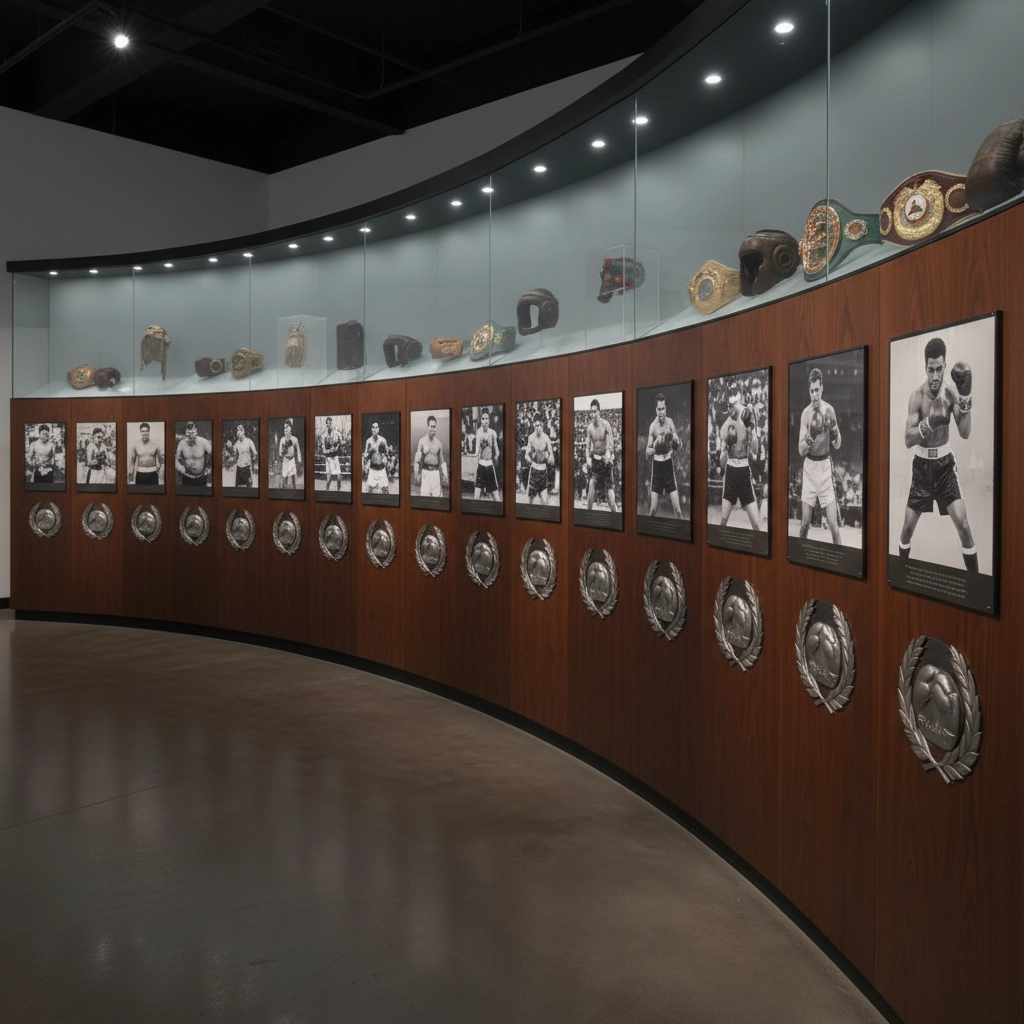
For historians and fans, timelines remain a useful tool not because they freeze titles in amber but because they reveal patterns: how rules, race, economics, and media intersect with the simple outcome of one fighter beating another. If you want to follow how a current champion fits into boxing’s broader story, consult primary records, commission rulings, and lineage discussions maintained by dedicated institutions such as the International Boxing Hall of Fame.
Expect ongoing debates about consolidation versus multiplicity of belts, the role of new sanctioning groups, and how technology—instant replay, advanced matchmaking databases, and social media—will influence public recognition of champions. The timeline you read is therefore not only a record of past titleholders but also a framework for understanding future shifts in how champions are made and remembered.
Frequently Asked Questions
How is a world champion officially recognized today?
There is no single global authority; multiple sanctioning bodies (WBA, WBC, IBF, WBO, plus regional and national commissions) each recognize their own champions. An “undisputed” champion holds the major belts in a division simultaneously, while the lineal champion is defined by the informal “man who beat the man” lineage.
What is the lineal championship and why does it matter?
The lineal title traces a direct succession of fighters who beat the prior titleholder, independent of organizational belts. It matters because it offers a historical continuity that many fans and historians use to cut through the fragmentation caused by multiple sanctioning bodies.
Why are there multiple world champions in the same weight class?
Multiple organizations emerged for regional, political, and commercial reasons, each creating its own title to sanction fights and collect fees. This produced several concurrent “world” champions per division; the situation persists due to the organizations’ autonomy and the financial incentives tied to their titles.