History of Boxing Champions: Rise and Fall of Icons
When boxing moved from local brawls to a sport you can follow
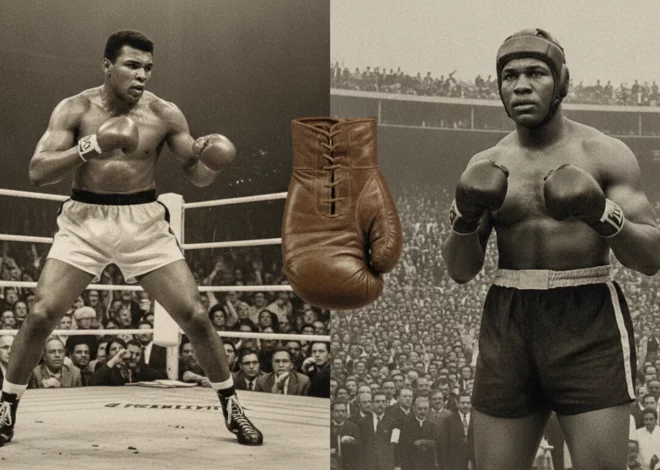
You may think of boxing as a modern spectacle of belts and pay-per-view nights, but its foundations reach back centuries. Understanding the rise and fall of champions begins with how boxing transformed from informal contests into an organized sport with rules, weight classes, and public interest. As crowd sizes grew and newspapers began reporting results, winners acquired more than trophies — they gained reputations that could be built or destroyed in a single night.
By studying the social and technological shifts that made the ring a public stage, you’ll see why some fighters became icons while others faded. Changes in transportation, mass media, and law created a feedback loop: greater visibility bred celebrity, and celebrity attracted promoters who could turn winners into enduring legends — or expose them to harsher scrutiny when they lost.
How early rules and culture shaped the first recognizable champions
When rules formalized — most famously with the Marquess of Queensberry Rules in the 1860s — boxing shifted from endurance battles to skill contests. That shift altered what you should expect from a champion. No longer was brute stamina the only path to glory; technique, defense, and tactical thinking became central. The earliest champions were therefore judged not just by wins, but by the style and strategic innovations they brought to the ring.
Key developments that affected champions
- Codified rules: Standardized rounds, gloves, and fouls meant victories were more comparable across matches, allowing reputations to spread beyond local communities.
- Weight categories: The introduction of divisions let you evaluate skill within clearer contexts — a lightweight champion’s legacy was no longer muddled with heavyweight feats.
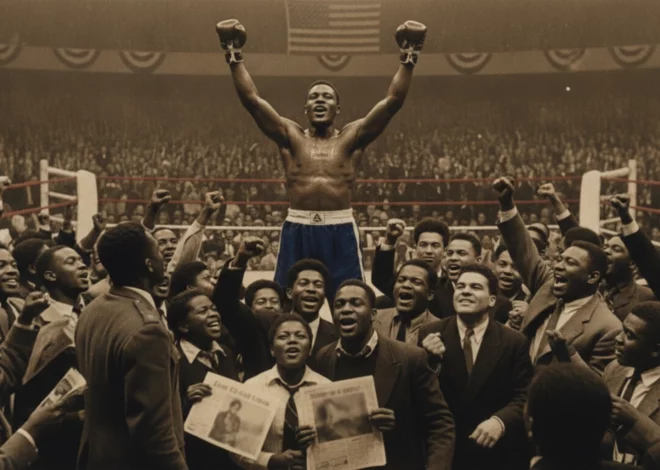
- Press and publicity: Newspapers and later radio turned boxers into national figures whose victories could influence public opinion and culture.
Notable early figures and the fragility of fame
Some early champions became household names by embodying narratives audiences loved: the underdog who rose from poverty, the technical master who redefined a style, or the charismatic personality who sold tickets. Yet fame was precarious. A single controversial decision, a loss to an unknown challenger, or an injury could erode public admiration quickly. You’ll notice patterns where early champions enjoyed short windows of dominant influence before new talents, changing tastes, or scandal reclaimed the spotlight.
- Champions who adapted to new rules and media tended to maintain relevance longer.
- Those who relied solely on physical dominance often struggled when opponents exposed technical weaknesses.
- External factors — legal bans, economic downturns, or shifts in public morality — could abruptly curtail a champion’s career regardless of skill.
Having sketched how early structures and personalities created the first boxing icons and how quickly their status could shift, you are now ready to examine the sport’s golden eras and the individual champions whose rivalries, comebacks, and downfalls defined modern boxing history.
The Golden era of rivalries: when matchups made myths
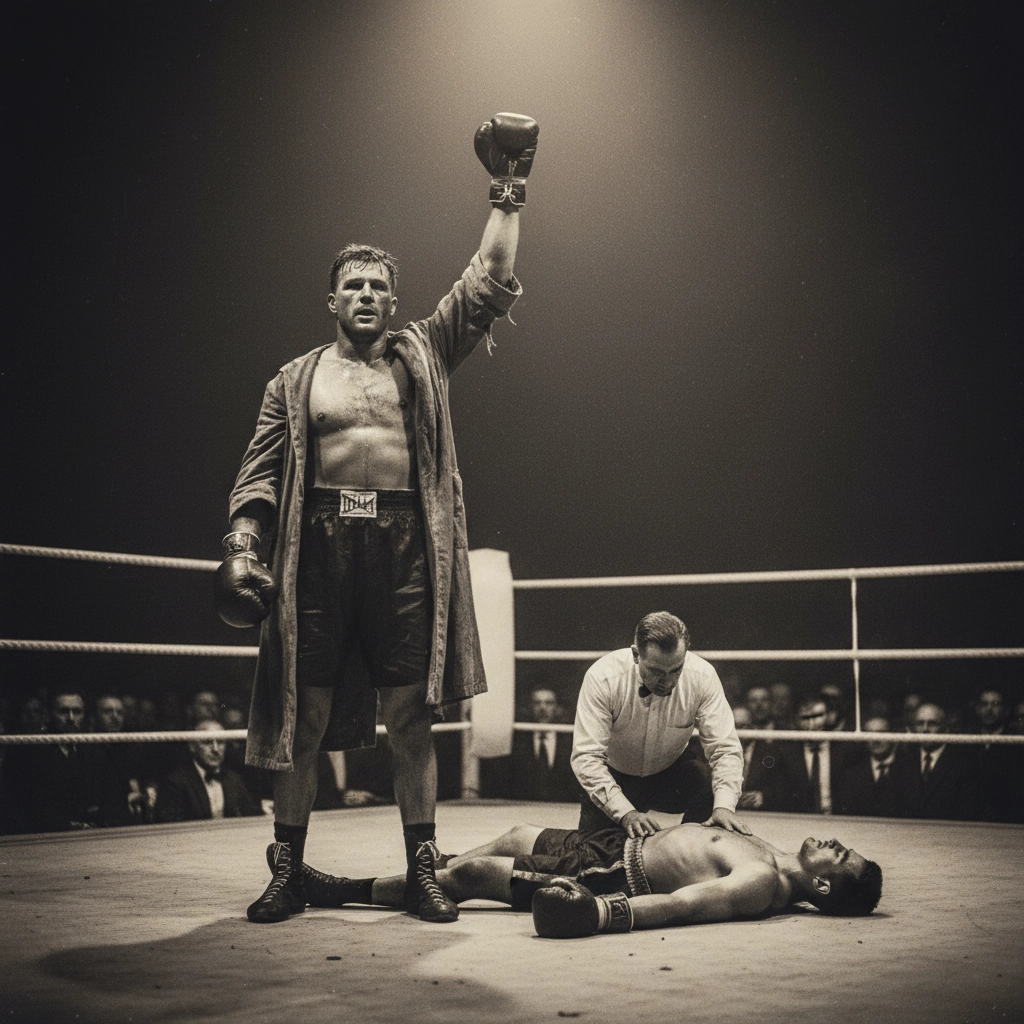
The middle decades of the 20th century produced the rivalries that turned individual champions into cultural touchstones. When two contrasting styles, backstories, and fan bases collided repeatedly, the bouts transcended sport and entered public mythology. These series did more than decide titles — they forged narratives about courage, strategy, and the limits of human will.
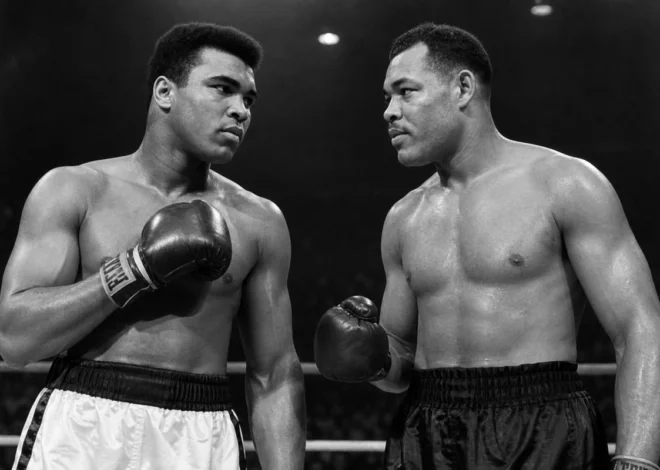
Consider how stylistic contrasts created drama: the poetic footwork and rhetorical bravado of Muhammad Ali against the relentless pressure of Joe Frazier; the boxer-puncher chess match between Sugar Ray Leonard and Marvin Hagler; the raw power of Thomas Hearns versus the iron chin of Roberto Durán and Hagler. Those matchups required champions to adapt, sometimes redefining their own styles to survive. Rematches and trilogies amplified stakes and memory — a single loss could be avenged, or become the defining note of a legacy.
Rivalries also generated new commercial and cultural rituals: pre-fight trash talk, global press tours, and cinematic build-ups that made even undercard bouts must-see. Promoters, managers, and media learned to harness antagonism into ticket sales and sustained attention, ensuring that a champion’s rise — and the threat of their fall — played out not just in the ring but across society.
Broadcast technology and the globalization of icons
As radio, television, and later pay-per-view expanded, the reach of champions exploded. Radio made regional heroes national in the 1920s and ’30s; television put their faces in living rooms from the 1950s onward; and pay-per-view and global satellite broadcasts turned marquee fights into worldwide events by the 1980s and ’90s. Money followed the audience: purses ballooned, sponsorships multiplied, and championship belts acquired greater commercial value than ever before.
This shift changed what it meant to be a champion. Charisma, marketability, and storytelling became as important as ring craft. Managers and promoters — skilled at packaging narratives — could elevate a technically proficient fighter into an international star, while broadcast schedules and ratings pressures nudged trainers and fighters toward entertaining, risk-taking styles that sold tickets. At the same time, global media made reputations more resilient: a great performance could cement an icon across continents; a public failure could become instantly infamous.
The commercialization also reshaped power dynamics in boxing. Promoters and television networks sometimes dictated match-ups, and title belts multiplied across sanctioning bodies, complicating the simple “champion” identity that earlier eras enjoyed. The result was a broader but more fragmented landscape of fame.
Scandals, comebacks, and the modern fragile champion
With higher stakes came higher vulnerability. Scandals — from allegations of fixed fights and corrupt judging to criminal convictions and performance-enhancing drug controversies — could dismantle a champion’s image overnight. The court of public opinion moved faster than ever, punishing transgressions through lost endorsements and diminished ticket sales.
Yet boxing also became a theater of reinvention. Some fighters staged remarkable comebacks that reshaped their legacies: a champion stripped of status could return, win a defining bout, and recast a narrative of redemption. Conversely, repeated comebacks after lengthy layoffs or punishment often tarnished legacies, exposing the long-term costs of the sport: neurological decline, shortened faculties, and the specter of chronic traumatic encephalopathy now factor into how history judges a career.
The modern champion lives in a paradox: global visibility creates lasting fame but increases scrutiny and accelerates decline. Social media accelerates both adulation and vilification, making the arc from icon to cautionary tale shorter and more public than at any previous point in boxing’s history.
Lessons for the ring and beyond
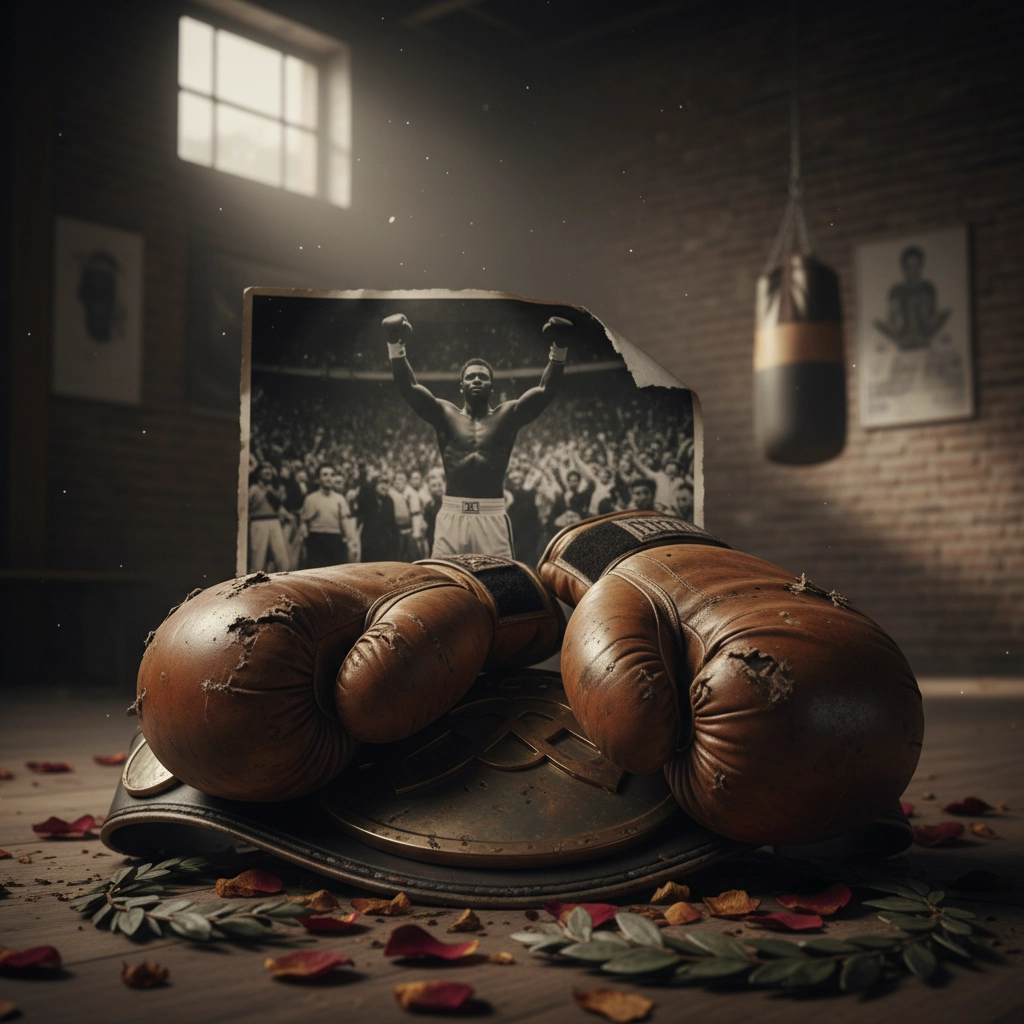
Boxing’s history of champions offers more than nostalgia; it provides a set of recurring lessons about ambition, adaptation, and accountability. Legends endure because they evolve with changing rules, media, and public expectations, while cautionary tales remind the sport to balance spectacle with safety and fairness. As technology and global attention continue to reshape boxing, the responsibility to protect fighters, preserve honest competition, and honor true craft will determine which contemporary figures join the ranks of enduring icons.
For anyone interested in how rule changes reshaped the sport’s trajectory, the story of the Marquess of Queensberry Rules is a useful starting point. Those who steward boxing today — promoters, regulators, trainers, and fans — will influence whether future champions are celebrated for skill and resilience, or remembered for controversy and decline.
Frequently Asked Questions
How did formal rules change what made a boxing champion?
Formal rules shifted the emphasis from sheer endurance and brutality toward technique, strategy, and fair competition. Standardized rounds, gloves, and fouls allowed performances to be compared across time and place, creating clearer criteria for assessing champions and enabling reputations to travel beyond local arenas.
Why did rivalries have such an outsized impact on a champion’s legacy?
Rivalries amplified contrast—styles, personalities, and narratives—turning single fights into chapters of a larger story. Repeated high-profile matchups created memorable arcs (comebacks, revenge, stylistic evolution) that anchored public memory and often defined how a champion was judged historically.
In the modern era, what factors most threaten a champion’s reputation?
High visibility means scandals (corrupt judging, PEDs, legal issues) and health concerns can rapidly erode public trust. Social media accelerates both praise and criticism, while fragmented sanctioning bodies and commercial pressures can complicate the clarity of a champion’s status—so reputation depends as much on behavior and transparency as on ring results.