Timeline of Boxing History: Key Fights and Championship Eras
Where boxing began and why its early timeline matters to you
You’ll find that boxing’s history is not a straightforward line but a tapestry of cultural practices, shifting rules, and landmark fights that defined who was called a champion. Understanding the early timeline helps you recognize how rule changes, social attitudes, and a few pivotal contests shaped modern weight classes, championship claims, and the sport’s professional structure. This first part traces the foundations—from ancient pugilism to the bare-knuckle era—and highlights the rule sets and people who turned fighting into an organized spectacle.
How combat traditions evolved into organized pugilism
Boxing-like contests date back to ancient civilizations, but the modern lineage you care about begins in Britain with prizefighting and a move from ad-hoc brawls to codified rules. As you trace that evolution, pay attention to three developments that recur throughout the sport’s timeline: the formalization of rules, the social acceptance of prizefighting, and the emergence of recognized champions.
From informal fights to codified rules
- Early influences: Ancient Greek pankration and Roman boxing contributed technique and cultural legitimacy, but they did not create a continuous professional tradition.
- Bare-knuckle era rules: In the 18th and early 19th centuries, fights were governed locally and often brutally; rounds ended when a man went down, and bouts could last dozens of rounds.
- Key rule developments: Jack Broughton’s mid-18th century rules introduced basic protections and formalized conduct; the London Prize Ring Rules (first in 1838, revised 1853) regulated grappling and fouls; later, the Marquess of Queensberry Rules (published 1867) mandated gloves and three-minute rounds—an essential turning point toward modern boxing.
Pioneering fighters and landmark bare-knuckle contests you should know
The title of “champion” in boxing’s early centuries was often a social construct—bestowed by newspapers, public opinion, or challenge matches rather than a governing body. Still, a handful of fighters and specific contests set precedents for championship lineage and public interest.
- James Figg (early 1700s) — Often called the first English champion, Figg promoted publicized fights and exhibitions that attracted paying spectators, helping prizefighting become a commercial entertainment.
- Jack Broughton (mid-1700s) — Noted for introducing rules and safety measures (including the “muffler” for training), Broughton’s influence is visible in the gradual move away from totally lawless fighting.
- Tom Cribb vs. Tom Molineaux (1810–1811) — Two epic contests between Cribb (English) and Molineaux (an American formerly enslaved man) underscored the international and racial dynamics of early championship claims and drew massive public attention.
- Jem Belcher and the rise of public champions — Fighters like Belcher helped create celebrity culture around boxers, cementing the idea that certain men could be recognized as undisputed champions.
As these early personalities and rules settled, you can see how championships moved from ad-hoc recognition toward more formal claims—setting the stage for the weight divisions, sanctioning bodies, and the international championship eras that dominated the 20th century. In the next section, you’ll follow how gloves, timed rounds, and regulatory bodies transformed boxing into the sport you recognize today, and how those changes produced the first global superstar champions.
Gloves, scored rounds, and the remaking of the prize ring
When gloves and timed rounds became the norm, boxing shifted from endurance brawl to a codified sport of technique, pacing, and promotion. The Marquess of Queensberry principles—three-minute rounds, gloves, and an emphasis on upright fighting—gave promoters a predictable product they could sell to paying crowds and newspapers. That standardization encouraged managers and trainers to refine footwork, defense, and combinations; fights became contests of skill as much as stamina. For you as an observer, that change is crucial: it’s where boxing’s modern aesthetics—jabs to set up power punches, tactical ring generalship, and round-by-round scoring—first took shape.
The move to gloves also reshaped safety and spectacle. Gloves reduced facial lacerations and made longer, more technical exchanges possible, while timed rounds limited the endless exhaustion tactics of the bare-knuckle era. Combined with proliferating print coverage and, later, film and radio, these rule changes produced stars whose styles and personas could be described, debated, and mythologized across continents.
From national champions to international superstars: the heavyweight narrative
Once rules stabilized, a cultural engine—publicity, travel, and mass media—turned certain fighters into the sport’s first global celebrities. John L. Sullivan represents that bridge: the last great bare-knuckle hero and the first to embrace the gloved, commercial era. Sullivan’s persona as the “Boston Strong Boy” fed a growing appetite for individual champions who symbolized classes, regions, and national pride.
Technically-minded challengers like James J. Corbett showcased how the new rules rewarded skill and movement; his 1892 defeat of Sullivan is widely read as the passing of brute force to scientific boxing. The heavyweight division, light-heavyweight or not, carried particular prestige, and by the 1900s heavyweight clashes attracted international attention and enormous purses. Jack Johnson’s rise to the title in 1908 and his subsequent defenses exposed boxing’s global reach—and its social flashpoints. His victories in racially charged arenas prompted worldwide reaction, casting important fights as moments of cultural as well as athletic significance and rendering champions into symbols that transcended the ring.
Sanctioning bodies, national clubs, and the first standardized belts
As public interest grew, so did the need for institutions to manage titles and enforce rules. Private organizations like Britain’s National Sporting Club (late 19th–early 20th century) began formal championship recognition and introduced trophies such as the Lonsdale Belt, giving fighters tangible honors and clearer claims to titles. In the United States, state athletic commissions—most notably the New York State Athletic Commission, formed in the early 20th century—began licensing fighters, referees, and venues, raising regulatory standards and helping settle disputes over who legitimately held a world crown.
By the 1920s, national and international organizations codified weight divisions and championship lineages more consistently, laying groundwork for the multi-belt, multi-organization era that would follow. Those early governing efforts matter because they crystallized the idea that championships could be defended, unified, and lost under agreed rules—transforming boxing from episodic spectacles into a structured sport with ongoing narratives you can follow generation to generation.
Television, Ali, and the global modern era
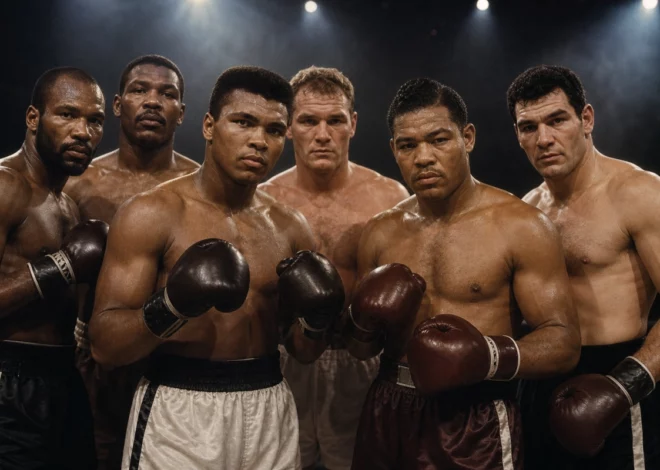
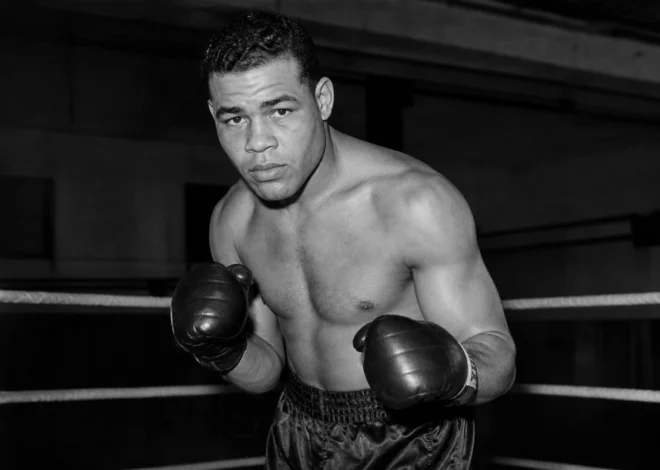
Through the 20th century, mass media and charismatic personalities turned boxing into a global pastime and a cultural flashpoint. Radio and then television amplified rivalries; pay-per-view and big-money promotions in the late 20th and early 21st centuries shifted the sport’s economics; and figures like Jack Dempsey, Joe Louis, Sugar Ray Robinson, and Muhammad Ali made boxing both an athletic and social spectacle. Simultaneously, the proliferation of sanctioning bodies (WBA, WBC, IBF, WBO) created multiple recognized champions per division, producing both more opportunities for fighters and more complexity for fans tracking lineages. Today, social media, streaming platforms, and crossover promotions continue to reshape how fights are marketed and consumed while longstanding questions—about governance, safety, and championship legitimacy—remain central to boxing’s development.
Looking Ahead: Boxing’s continuing story
Boxing’s timeline is still being written. Its past—marked by evolving rules, landmark fights, and changing institutions—reminds you that what counts as a championship, a champion’s style, or a fight’s cultural meaning can shift with technology, law, and public taste. If you follow the sport, consider how rule changes, regulatory reforms, and new media will influence the next defining eras. For a curated perspective on historical figures and pivotal matches, the International Boxing Hall of Fame maintains resources and inductee biographies that illuminate how individual careers fit into boxing’s larger narrative: International Boxing Hall of Fame.
Frequently Asked Questions
What were the Marquess of Queensberry Rules and why do they matter?
Published in 1867, the Queensberry Rules introduced gloves, three-minute rounds (with one-minute rests), and an emphasis on upright, non-grappling fighting. They established the format and safety expectations that underpin modern boxing technique and promotion.
Why does boxing have multiple world champions in the same weight class?
Different sanctioning organizations (for example, the WBA, WBC, IBF, and WBO) each recognize their own world champions and award distinct belts. Political, commercial, and promotional factors mean not every top fighter faces every other top fighter, so multiple titles can exist simultaneously.
How did bare-knuckle era fights differ from modern gloved boxing?
Bare-knuckle bouts often ended rounds when a fighter was down, allowed more grappling and clinching, and could last dozens of rounds; fights were stamina-focused and less regulated. The shift to gloves and timed rounds encouraged technique, longer exchanges, and standardized officiating.