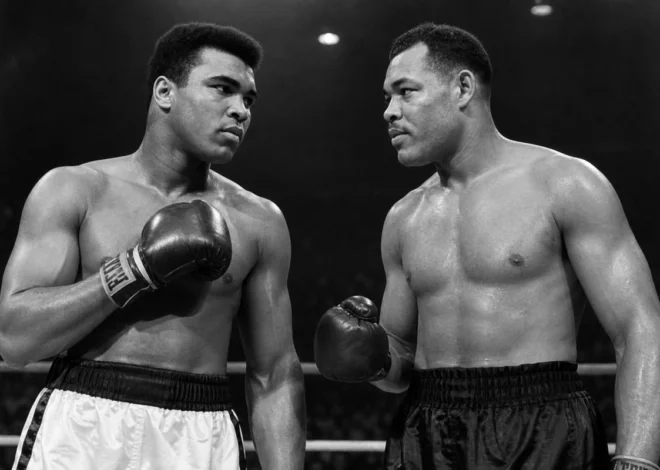
Top Boxing Hall of Fame Inductees: Stories of Muhammad Ali and Joe Louis
How Muhammad Ali and Joe Louis Reshaped Boxing and Your View of the Sport
You may already know Muhammad Ali and Joe Louis as legends, but understanding why they stand out requires looking beyond records. Both fighters elevated boxing technically and culturally: Ali with his speed, footwork, and outspoken persona; Joe Louis with methodical power and calm authority. When you study their careers, you see two different pathways to dominance—one built on flamboyant athleticism and social challenge, the other on disciplined precision and historic symbolism.
As you read, consider three ways they changed the sport: how they fought, how they were perceived by the public, and how they influenced boxing’s institutions. Those changes affected matchmaking, media coverage, and the prestige of heavyweight titles, shaping the era you study when you follow boxing history.
From Humble Roots to the Professional Ranks: Early Lives and First Fights
Both Ali and Louis began in modest circumstances, and their early experiences prepared them for the pressures of high-profile boxing. You’ll notice patterns common to many champions: strong local support, quick records in amateur circuits, and the ability to translate raw talent into disciplined training. These formative years teach you how context—race, economics, and local boxing culture—molded their styles and opportunities.
Muhammad Ali (Cassius Clay): Early Ambitions and Amateur Success
Younger as Cassius Clay, Ali’s early path was shaped by rapid development and a magnetic personality. You can trace his rise from a teenager who took up boxing after a bicycle theft to an Olympic gold medalist in 1960. Those early wins were not just about physical gifts; they showed a clever tactical mind and a habit of studying opponents.
- Amateur highlight: 1960 Rome Olympic light heavyweight gold—your first clear sign he could perform on the global stage.
- Early professional pattern: fast-paced fights, frequent bouts, and a style that blended speed with psychological warfare.
- Training and mentorship: he learned to use footwork and jab combinations to keep bigger opponents off balance.
Joe Louis: A Steady Climb from Detroit Gymnasiums to National Attention
Joe Louis grew up in the segregated South and moved to Detroit, where industrial-era boxing gyms shaped his technique. Unlike the brash Clay, Louis built a reputation on quiet professionalism. You’ll recognize his early career for diligent training, consistent improvement, and a knockout-focused style that developed into one of the most feared punching records of the era.
- Amateur foundation: regional tournaments in Detroit that emphasized fundamentals and conditioning.
- Turning pro: a string of early knockouts made him a draw and established his reputation as a methodical finisher.
- Style note: you’ll see an emphasis on straight right hands, positional control, and economy of movement—traits that later defined his championship reign.
Understanding these early chapters sets the stage for their defining championship moments and the cultural responses they provoked; next, you’ll examine their breakthrough title fights and how those bouts reshaped public perception and boxing history.
Breakthrough Title Fights and Tactical Turning Points
Now that you’ve seen how they rose, focus on the championship moments that crystallized each man’s place in history. These were fights where style met consequence—where tactics altered perceptions and particular performances became reference points for generations of boxers.
Muhammad Ali’s breakout came with his 1964 win over Sonny Liston. As Cassius Clay, he arrived as an underdog—quick, elusive, and verbally fearless. That upset did more than hand him a belt; it showcased a new kind of heavyweight who could neutralize size with speed, angles, and psychological pressure. Later fights sharpened those lessons. Against Joe Frazier (1971), you see the cost of Ali’s bravado when matched with relentless pressure; in the Rumble in the Jungle (1974), his rope‑a‑dope strategy demonstrated tactical patience and risk management against a heavier, more powerful foe in George Foreman. Study these bouts and you’ll notice several consistent elements:
- Use of feints and jabs to control tempo and force opponents into mistakes.
- Psychological warfare—how trash talk and showmanship shifted opponents’ focus.
- Adaptive game plans: Ali alternated between movement and clinch‑based survival depending on the threat he faced.
Joe Louis’s seminal title moment also had decisive clarity. When he took the heavyweight crown in 1937 and then avenged his earlier loss to Max Schmeling with a first‑round knockout in 1938, Louis announced an era of technical supremacy and stopping power. His title reign looked less like flamboyance and more like controlled inevitability: precise footwork to establish angles, relentless straight punches to dismantle guard, and an economy of motion that conserved energy until one well‑placed shot finished the job. Key tactical takeaways from Louis’s championship period include:
- Positional mastery—using the jab and lead hand to set up the straight right.
- Calculated aggression—he gradually increased pressure rather than relying on wild exchanges.
- Consistency under long reigns—Louis defended often and seldom deviated from his core method.
Outside the Ring: Race, National Identity, and Public Image
Both fighters transcended sport in ways you’ll appreciate when you study how boxing intersects with society. Their actions and reactions outside the ropes reshaped public narratives about race, patriotism, and celebrity.
Ali’s stance on civil rights, his conversion to Islam, and his refusal to be drafted in 1967 forced the nation to reckon with dissent at the height of athletic fame. He lost prime years in the ring because of his conviction, but gained moral stature among many who viewed him as more than an athlete. The consequence for boxing was twofold: matches became political events, and promoters learned that fighters’ public personas could dramatically affect attendance, broadcast interest, and global reach.
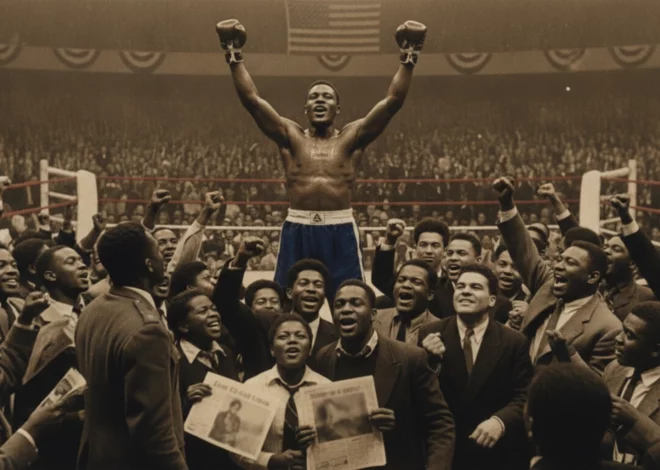
Joe Louis’s significance was also political, albeit in a different register. As the “Brown Bomber” during the 1930s and 1940s, Louis became a unifying symbol for many Americans during turbulent times. His victory over Schmeling had symbolic resonance against rising European fascism; his military service during World War II further tied his image to national sacrifice. For African American communities, Louis represented quiet dignity and excellence under pressure—proof that sporting achievement could chip away at racist assumptions even while systemic barriers remained.
When you compare the two, note how each man’s public role altered boxing’s institutions: sanctioning bodies, promoters, and the media had to adapt to athletes who were simultaneously cultural figures and prizefighters. Their fights were not just contests for belts; they were moments when society negotiated identity, politics, and the meaning of American greatness.
How to Watch and Study Their Fights
If you want to deepen your appreciation beyond highlights, approach their fights as living lessons. Focus on pacing, footwork, and adjustments round by round rather than only on final outcomes. A few practical steps:
- Watch full fights when possible—early rounds reveal set‑ups that lead to later turning points.
- Compare the same opponent across different eras to see stylistic evolution (e.g., Ali vs. Frazier series; Louis’s title defenses).
- Read contemporary accounts alongside modern analysis to understand how public perception changed after each bout.
Enduring Lessons
Muhammad Ali and Joe Louis leave you with more than records and highlight reels; they leave frameworks for thinking about sport, leadership, and social responsibility. Their choices inside and outside the ring invite ongoing questions about courage, strategy, and the costs of fame. As you continue exploring boxing history, let their careers prompt you to consider how athletes shape—and are shaped by—their times. For further research and archival material, the International Boxing Hall of Fame offers extensive resources and biographies to guide your next steps.