Joe Louis Brown Bomber: How His Boxing Record Shaped a Nation
When the Brown Bomber Stepped into the Ring: You and the Making of a Symbol
You may already know Joe Louis as one of boxing’s greatest heavyweights, but understanding why his record mattered to the country requires seeing him as more than an athlete. As you follow his rise, you discover a fighter whose victories carried symbolic weight during the Depression and into World War II. His performances in the ring offered a narrative of discipline, resilience, and national pride that reached far beyond sports pages.
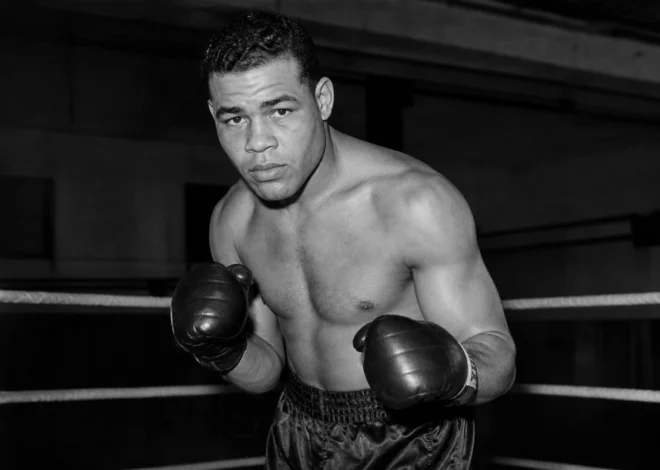
Louis earned the nickname “Brown Bomber” because of his punching power and the compact, disciplined style he brought to each bout. You can trace how that nickname became shorthand for a larger story: an African American man achieving dominance in a sport that was both a national pastime and a stage for contested ideas about race, citizenship, and American values.
From Detroit Gym to National Stage: Early Career and the Path to the Title
You should view Louis’s early career as the foundation for the record that would later shape public opinion. He moved from local Detroit gyms to national arenas by winning consistently and refining a style built on fundamentals — a tight guard, swift jabs, and punishing straight rights. Those qualities turned him into a contender and, eventually, world heavyweight champion.
Key early milestones that built momentum
- Rapid climb through the professional ranks: you see how quick, disciplined wins attracted promoters and fans alike.
- Victories over established contenders: these matches proved he could perform under pressure and against experienced opponents.
- Becoming a national title contender: you understand that each successful defense increased not only his reputation but also his public significance.
As you trace these steps, notice patterns that would later make his record so consequential: consistency, a long streak of decisive wins, and an ability to perform on big stages. Those traits transformed match results into media narratives and public sentiment.
Why Early Defenses and Key Fights Matter to You
Before Louis amassed his long tenure as champion, specific fights began to change how Americans perceived him and, by extension, how they thought about race and national strength. When he faced internationally known opponents, boxing matches became news events that people across the United States — and beyond — watched as symbolic contests. You can see how his early defenses established a pattern: routine dominance in the ring was translated by newspapers and radio into a story of American ascendancy.
Examine the opponents, the venues, and the contemporary media reaction, and you’ll find that Louis’s record did more than accumulate wins: it created cultural moments. These moments laid the groundwork for the larger national impact that followed, including his role as a unifying figure during wartime.
Next, you’ll examine the landmark bouts and the specific title defenses that transformed Joe Louis from a champion into a cultural icon and influencer of national identity.
The Schmeling Rematch and the Politics of a Punch
You arrive at one of the clearest moments when a single fight turned record into national meaning: the rematch with Max Schmeling in 1938. You remember that Louis had suffered a surprising defeat to Schmeling two years earlier — a loss that haunted him and was seized upon by overseas propagandists. When the two met again at Yankee Stadium, the bout was not just about two men in gloves; it was a geopolitical event that condensed anxieties about democracy, race, and international power into one ninety-second spectacle.
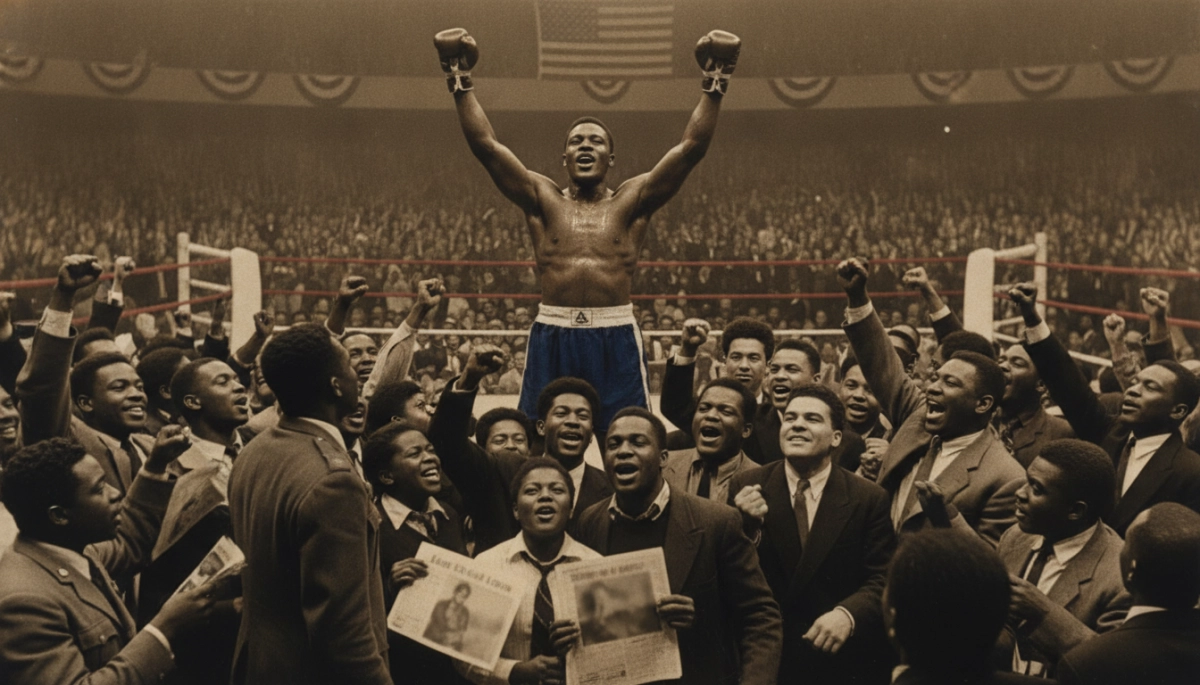
Louis ended the rematch in the first round with a decisive knockout. For you, the immediacy of that punch mattered as much as the outcome. Newspapers and radio framed the win as symbolic vindication — a reaffirmation that American values and skill would prevail. That narrative was not evenly distributed: many Black Americans read different, deeper meanings into his victory, seeing in Louis a forceful rebuttal to racist hierarchies at home and abroad. But what you should notice is how the fight transformed a personal streak into a collective story. The scoreboard became shorthand for national strength; the replayed knockout became a morale-boosting image that crossed regional and racial lines.
The Long Reign: How 25 Defenses Wrote a Steady Script
When you look at Louis’s tenure as champion, the statistics start to sound like a metronome: consistent defenses, systematic dismantling of challengers, and a public record that read as reliability. Louis defended the heavyweight title a record 25 times — a measure of dominance that made his name a constant in American life throughout the late 1930s and 1940s. Each defense was another public reminder that excellence could be sustained, that a champion could embody steadiness during turbulent times.
Consider the fights that almost became narrative reversals — like the close, dramatic bout with Billy Conn in 1941, when Louis was nearly toppled before delivering a decisive late knockout. Those moments deepened the story you followed as a citizen: that Louis could be tested and still deliver, which made his record not just a ledger of wins but a repeated lesson in resilience. The press, radio broadcasts, and later wartime newsreels turned each title defense into a chapter of national morale. Records are numbers; in Louis’s case they were repeated public performances that shaped the story Americans told themselves about endurance and victory.
When the Box Score Became Social Currency
You should also notice how Louis’s record affected broader conversations about race and belonging. His 66–3 pro record (with many knockout victories) made him impossible to dismiss on the basis of ability alone. For white Americans who idolized him, his wins became a source of pride that occasionally translated into small, pragmatic changes — more Black athletes getting attention, more integrated audiences at exhibitions, increased calls to recognize African American contributions to national life.
At the same time, Louis’s prominence exposed contradictions: he was celebrated as a national symbol yet still confronted segregation and racial slights offstage. His record offered Black Americans both a point of pride and a reminder of the gap between symbolic acceptance and structural equality. By the time his championship era wound down, you can see how a box score had become social currency — a measurable achievement that forced the country to reckon, inch by inch, with who counted as American.
The Man After the Title
Louis’s life after his long reign in the ring was uneven and revealing. He served in the U.S. Army during World War II in a morale-building role, continued to box sporadically, and later struggled with tax problems and health issues. Those post-championship years exposed the limits of celebrity as protection against social and economic vulnerability. At the same time, his presence in public life—through exhibitions, endorsements, and occasional political engagement—kept the symbol of the Brown Bomber alive in American memory, even as the man himself faced private hardship.
For historians and fans alike, these later chapters complicate a simple heroic tale. They force you to reckon with how fame, race, and institutional power interact when an individual who symbolizes national ideals is still subject to the same inequities those ideals sometimes fail to cover.
Enduring Echoes: What the Brown Bomber Still Teaches Us
Joe Louis’s record did more than mark athletic achievement; it helped shape narratives about who could represent America and what victory looked like. Those narratives were never unambiguous—his career highlighted both progress and persistent injustice—but they made an argument in the public sphere that performance could open doors to recognition and debate.
As you reflect on Louis today, consider how sporting records function as cultural texts: they are measured in numbers but read for meaning. They can rally a country, reveal its contradictions, and become shorthand for values people choose to celebrate or contest. To explore Louis’s life and legacy in more detail, a reliable resource is the Joe Louis biography at Britannica.
Whatever side of the ledger you start from—athleticism, racial politics, national identity—Louis’s career invites ongoing conversation about how individuals and their achievements enter the story of a nation and how that story, in turn, shapes the lives of those who help write it.