Evolution of Boxing Rules and the Birth of Modern Boxing
How bare-knuckle contests set the stage for an organized sport
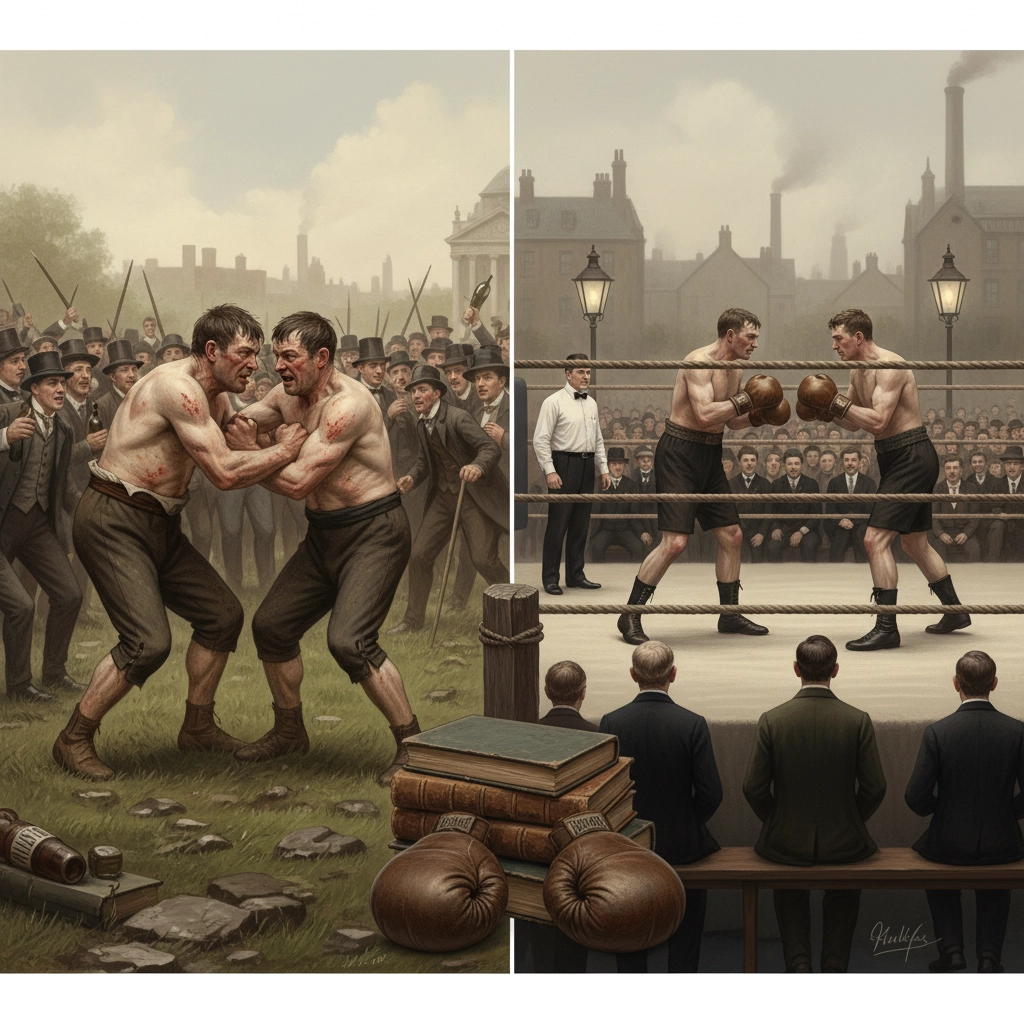
You can’t understand modern boxing without seeing where it began: rough, often deadly contests held for money and prestige. In the 18th and early 19th centuries, boxing was a social spectacle as much as a fight—patrons, gambling, and local customs shaped how bouts were conducted. Without standardized rules, outcomes depended on local tradition, the referee’s whim, and the stamina of fighters. That chaos created pressure for clearer regulations as events grew in popularity and public scrutiny increased.
Early rule-makers and why rules became necessary
As you study the sport’s evolution, you’ll notice a few recurring drivers behind formal rule-making:
- Safety concerns: repeated fatalities and severe injuries prompted calls for limits and protections.
- Legitimacy and respectability: aristocratic patronage demanded a more “civil” spectacle that could attract respectable audiences.
- Gambling and fair play: bookmakers and bettors needed consistent expectations to avoid disputes and fraud.
- Commercialization: promoters and managers wanted predictable contests that could draw paying crowds repeatedly.
These forces pushed influential figures to write down rules and encourage consistency between fights, creating the first templates for the sport you watch today.
The foundational codes: Broughton and the London Prize Ring
Two early sets of rules shaped the transition from street fighting to organized competition, and you should know their core provisions:
- Broughton’s Rules (1743) — Established by English champion Jack Broughton, these rules introduced basic prohibitions against hitting a downed opponent and allowed a brief recovery period after a knockdown. Broughton also encouraged the use of “mufflers” (gloves) for training, signaling the first concern for fighter protection and technique.
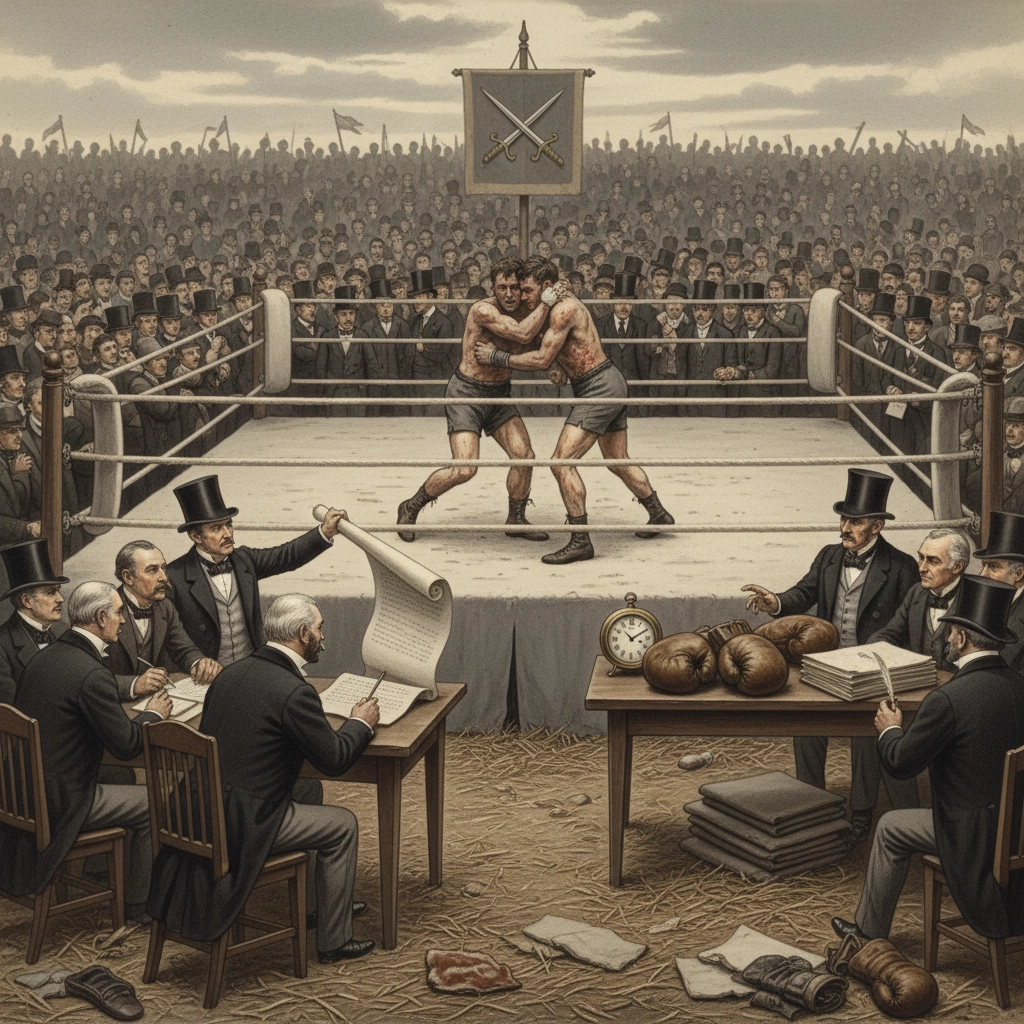
- London Prize Ring Rules (first codified 1838; revised 1853) — These rules formalized the bare-knuckle format: rounds ended when a fighter was down, wrestling moves and throws were permitted, and bouts could continue until one fighter could not “come up” to the scratch. The ring size, fouls, and procedures for restarting were clarified, making matches less arbitrary than before.
When you compare these two codes, you’ll see a gradual shift from a survival contest toward a contest of skills and endurance governed by written norms. Yet both still accommodated practices—grappling, unlimited round length by modern standards—that later reformers would challenge.
Understanding these early frameworks is essential because they reveal what problems later rules aimed to solve: excessive brutality, inconsistent enforcement, and unclear winning conditions. Next, you’ll examine the watershed changes introduced by the Marquess of Queensberry rules and how they propelled boxing into the modern era of gloves, timed rounds, and regulated competition.
The Marquess of Queensberry rules: gloves, timed rounds, and a new ethos
The decisive turning point came with the document commonly called the Marquess of Queensberry rules, first published in 1867 and mostly attributed to John Graham Chambers under the patronage of the Marquess. Unlike earlier codes that simply limited certain abuses, these rules recast boxing as an athletic contest of skill rather than a brutal endurance test. Their headline reforms were straightforward but seismic: the mandatory use of padded gloves, standardized round lengths with short rests between them, and explicit prohibitions on wrestling and some forms of grappling that had been routine under the London Prize Ring rules.
What made the Queensberry rules revolutionary wasn’t only the list of provisions but the philosophy behind them. By insisting on gloves and timed rounds, the code implicitly elevated technique, speed, and strategy over sheer ability to absorb punishment. The new framework also made enforcement more practical—referees had clearer grounds to penalize fouls and judges could assess contests on more consistent criteria. Promoters and patrons who wanted a more genteel spectacle quickly adopted the code, and over the following decades it became the template for organized, legal boxing across Britain, then the United States and beyond.
How gloves and timing reshaped fighting style and training
Once gloves and three-minute rounds became the norm, the sport’s physical and tactical character shifted. Gloves redistributed the risk: they protected hands and reduced superficial facial cuts while simultaneously enabling harder, faster combinations and more frequent headshots. That reduced incentive to prolong clinches and grapple, instead rewarding sharper punching accuracy, footwork, and defensive maneuvers like slips and rolls.
Training responded in kind. Conditioning moved away from merely building iron endurance toward drills that emphasized speed endurance, punch volume, and movement. Bag work, mitts, and structured sparring with gloves became central. Coaches developed systematic approaches to offense and defense, creating the first coherent pedagogies for boxing technique. In short, the sport evolved from an improvised brawl into a discipline with repeatable skills and methods that could be taught, tested, and refined.
Institutionalization: weight classes, commissions, and the rise of modern championships
As the sport professionalized, organizations emerged to impose consistent oversight. Prominent clubs and associations—most notably London’s National Sporting Club in the late 19th century and various state athletic commissions in the United States in the early 20th century—began licensing fighters, standardizing ring sizes and glove specifications, and enforcing medical checks. These bodies also helped formalize weight divisions so fighters competed on a more even playing field, replacing the earlier “heavyweight brawler vs. lighter pugilist” mismatches that had been common.
Over the 20th century international sanctioning bodies proliferated to adjudicate world titles and unify rules across borders: the National Boxing Association (which became the WBA) in the 1920s, and later the WBC, IBF, and WBO. While fragmentation among sanctioning bodies introduced its own complexities, their existence signaled a new era—championships were regulated commodities, rankings were maintained, and bouts required licensing and health safeguards. Together, these institutional advances completed the transformation first sparked by Broughton and refined by Queensberry: boxing had become a regulated, widely practiced sport with clear rules, recognized champions, and a technical vocabulary shared by athletes and fans worldwide.

Boxing’s future: rule-making as a living tradition
Rules didn’t merely rescue boxing from its more chaotic origins; they turned it into a living tradition that adapts as knowledge, values, and technology change. Today’s debates—how to reduce chronic brain injury, how to make scoring fairer, and how to integrate emerging technologies like video review and biometric monitoring—are the same kind of conversation that produced Broughton’s limits and the Queensberry reforms. Expect future rule changes to be incremental but consequential: they will reflect scientific findings, public expectations, and the sport’s commercial realities. If you want a concise primer on how historical rule shifts shaped the sport’s public profile, see this overview of boxing’s development: history of boxing.
Frequently Asked Questions
What key differences separated Broughton’s Rules from the London Prize Ring Rules?
Broughton’s Rules (1743) introduced basic protections—most notably banning strikes on a downed opponent and allowing recovery time—while the London Prize Ring Rules (1838, revised 1853) codified bare-knuckle practices like rounds ending at a knockdown and permitted some wrestling. The latter provided more procedural detail but still allowed grappling techniques later banned by the Queensberry code.
Why did the Marquess of Queensberry rules insist on gloves and timed rounds?
Gloves reduced superficial injuries and shifted emphasis toward skillful punching and defense, while timed rounds (with rest intervals) standardized contest rhythm and favored conditioning, speed, and tactics over brute endurance. Together these provisions helped recast boxing as an athletic contest rather than a survival fight.
How did institutionalization change championships and fighter safety?
Clubs and athletic commissions introduced licensing, medical checks, weight classes, and standardized equipment and ring specifications. These measures made contests more consistent, improved oversight of fighter health, and allowed official rankings and sanctioned titles to emerge—transforming championships into regulated, marketable events.