Boxing Legends Biographies: Stories of the Greatest Champions
Why the Stories of Boxing Legends Still Matter to You
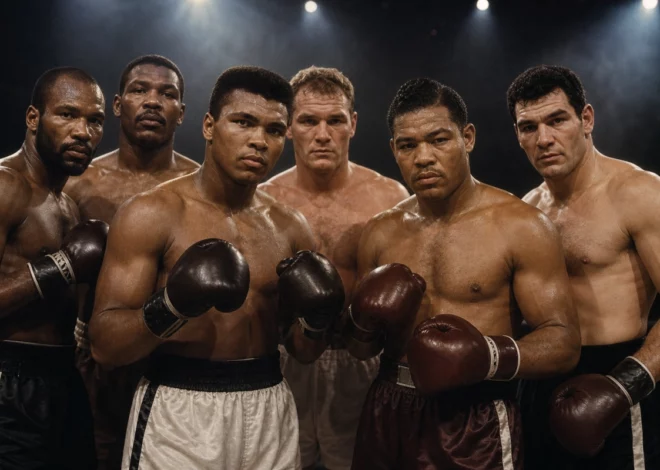
You encounter the influence of boxing legends everywhere: in popular culture, in training gyms, and in the way you understand perseverance and competition. These champions did more than win titles — they rewrote what was possible inside the ropes and, often, outside them too. By studying their lives, you gain insight into the social, cultural, and technical forces that created modern boxing and why certain fighters became icons that endure across generations.
In this section you’ll explore how a champion’s legacy is built from three interlocking elements: talent, context, and character. Each legend’s story teaches a different lesson about strategy, resilience, and the wider world that shaped their careers.
- Talent: Natural ability and physical gifts that set a fighter apart.
- Context: Era, economic background, and social conditions that influence opportunities and public perception.
- Character: Discipline, mindset, and life choices that determine longevity and legacy.
From Neighborhood Gyms to World Titles: The Early Journeys You Should Know
Your first view of a boxing legend often starts long before the championship belts. Many great champions began in modest circumstances—street corners, local boxing clubs, or youth programs—and you can trace patterns in how their early environments shaped fighting styles and career paths. Understanding these beginnings helps you appreciate why some fighters prioritized speed, others power, and why psychological resilience became as crucial as physical conditioning.
Common Threads in the Formative Years
When you examine the early biographies of champions, several recurring themes appear. These elements help explain not only how they reached elite levels, but why they connected with fans worldwide.
- Mentorship and coaching: A skilled trainer often turned potential into world-class technique. You’ll see coaches instill discipline and tactical awareness that later defined championship performances.
- Economic and social pressures: Many boxers fought to escape poverty or to uphold family honor. Those pressures translated into extraordinary motivation and sometimes risky career choices.
- Amateur foundations: Strong amateur records and Olympic experience frequently provided the tactical base and public exposure you recognize in later professional success.
How Early Setbacks Shaped Champions
You’ll find that early losses, injuries, or personal setbacks were common, and often formative. Instead of derailing careers, those obstacles acted as crucibles where technical adjustments and mental toughness were forged. When you read these stories, pay attention to turning points: a failed amateur bout that led to a new training regimen, or a personal tragedy that sharpened a fighter’s focus. These moments explain why the path to greatness is rarely linear.
Next, you’ll delve into biographies of specific champions, examining the fights, strategies, and defining moments that turned promising prospects into everlasting legends.
Defining Fights That Forged Immortality
When you study a champion’s biography, certain single nights stand out as the moment their name stopped being merely successful and started being legendary. These fights are more than results; they crystallize style, resolve, and narrative. Think of bouts where an underdog upset the odds, a favorite overcame doubt, or a tactical masterclass rewrote expectations. You’ll notice common features that make a fight “defining”:
- Clear strategic pivot: A fighter abandons a familiar approach and succeeds—Muhammad Ali’s rope-a-dope against George Foreman is a textbook example where patience and ring IQ trumped raw aggression.
- Psychological drama: Matches that exposed or tested a boxer’s mental fortitude—Roberto Durán’s “No Más” moment and Sugar Ray Leonard’s comeback rematch show how mind and narrative can eclipse pure technique.
- Technical innovation: Moments when a style shockingly outmaneuvers the era—Floyd Mayweather’s shoulder roll and defensive timing reshaped what you expect from elite defense.
As you read biographies, focus on how fighters prepared for those nights, what adjustments trainers made between rounds or fights, and how public perception shifted afterward. Those fights often create the mythology that cements status across generations.
Technique and Evolution: How Champions Changed the Game
Studying champions reveals evolution in boxing fundamentals: footwork, guard positions, punching combinations, and conditioning. Champions didn’t just apply existing techniques—they refined or invented them, and you can trace modern trends to specific innovators.
For example, Sugar Ray Robinson taught you about fluidity and timing that influenced the classic boxer-puncher archetype. In contrast, Mike Tyson’s peek-a-boo style and explosive one-punch power prompted trainers and prospects to prioritize explosive strength and close-range wrecking power in a new way. Later, modern technicians like Mayweather emphasized efficiency and damage avoidance, shifting training toward split-second counters and precision.
When you read technical chapters in biographies, pay attention to the micro-changes: a subtle shift in stance after a loss, a new mitt-work routine, or a conditioning regimen borrowed from other sports. Those details show you how boxing adapts and why each era rewards different combinations of attributes.
Lives After the Belt: Reinvention, Struggle, and Influence
A champion’s legacy is as much about what they do after their prime as what they achieved inside the ring. Some reinvent themselves as trainers, commentators, or entrepreneurs; others struggle with health, legal, or financial issues that complicate their stories. These post-career chapters shape how future generations remember them.
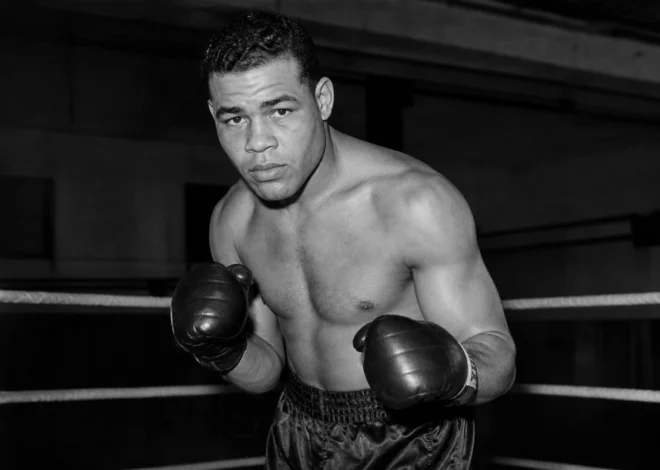
Look at how figures like Joe Louis used their platform to influence social attitudes, or how more recent champions parlayed brand-building into businesses and philanthropy. Conversely, cases of mismanagement, addiction, or health decline remind you of the human cost tied to the sport’s physical and economic pressures. Biographies that treat these later years candidly give you a fuller picture—celebration without gloss, and lessons on legacy management that matter whether you’re a fan, historian, or aspiring fighter.
The Legacy Continues
Boxing legends leave behind more than records and highlight reels; they pass on methods, cautionary tales, and a cultural memory that shapes future generations. Whether you’re drawn to their tactical innovations, their life stories, or their social impact, engaging with these biographies keeps the sport’s lessons alive and relevant. Visit halls of fame, study classic fights, support responsible training programs, and share the stories—those actions help ensure the torch they carried is passed on with respect and care. For further exploration and historical context, the International Boxing Hall of Fame is a useful resource.
Frequently Asked Questions
Why should I read biographies of boxing champions?
Biographies reveal the technical, psychological, and social forces that shaped champions. They offer lessons in resilience, strategy, and legacy management that go beyond the sport and can inform personal growth, coaching, or historical understanding.
How did a boxer’s early life influence their fighting style?
Early environments—coaching quality, economic pressures, amateur experience, and mentorship—often determine initial priorities like speed, power, or ring IQ. Setbacks and local training customs also trigger adaptations that become signature elements of a fighter’s style.
Can studying past champions change how modern boxing is taught?
Yes. Champions introduced tactical innovations and conditioning methods that trainers and athletes adopt, adapt, or reject. Studying those evolutions helps coaches refine techniques, avoid past mistakes, and blend proven methods with new science.