Famous Boxing Matches That Changed the Boxing History Timeline
Why select fights rewrote boxing’s rules, culture, and visibility
You study boxing not just as a sequence of champions but as a chain of moments that altered rules, technology, and social meaning. Some contests mattered because they legitimized new ways to fight; others because they exposed social tensions or handed promoters fresh tools to sell the sport. As you trace the timeline, you’ll notice that a single fight can accelerate rule changes, redefine the heavyweight image, or transform broadcasting and mass interest overnight.
When you look at these landmark bouts, evaluate them along three axes: the technical impact (rules, equipment, tactics), the institutional shift (sanctioning, promotion, legal status), and the cultural ripple (race, class, national identity, media coverage). Early fights are especially revealing because they moved boxing from informal challenge matches into organized, regulated sport—setting the patterns later champions and promoters would follow.
Pivotal early-era matches that rewired rules and public perception
The transition from bare-knuckle prizefighting to gloved, Queensberry-rule bouts marks boxing’s first major timeline inflection. Below are the early fights you should know and why they mattered. For each, consider what changed immediately in the ring and how that change influenced the sport over the following decades.
-
Iconic bare-knuckle endurance battles (late 1800s)
These marathon prize fights operated under the older London Prize Ring conventions. Their brutality and length catalyzed public appetite for safer, more structured rules. You can trace pressure for reform to the spectacle and legal controversy these fights generated.
-
John L. Sullivan vs. Jake Kilrain (1889)
Often remembered as one of the last great bare-knuckle world heavyweight championship encounters, this bout dramatized the limits of older rules and intensified calls for a standardized, regulated system. You’ll see it as a hinge between raw prizefighting and a more modern sport.
-
James J. Corbett vs. John L. Sullivan (1892)
Corbett’s technical, gloved style upset Sullivan’s brute force and publicized the Marquess of Queensberry rules. This match helped popularize footwork, defense, and tactical boxing—shifting public expectations about what a champion should be.
-
Jack Johnson vs. James J. Jeffries (1910)
Known as the “Fight of the Century,” this contest injected race and national identity into boxing’s narrative. Johnson’s victory had profound cultural consequences, mobilizing both celebratory and hostile public reactions and prompting new regulatory scrutiny and media framing of the sport.
These early contests didn’t just decide titles; they altered how fights were staged, how fighters trained, and how audiences experienced boxing. Having laid out the formative matches and their immediate impacts, you’re ready to examine how the sport evolved through the interwar years, the rise of broadcast media, and the heavyweight rivalries that followed—each building on the precedents set here.
The million-dollar gate and radio’s reach: Dempsey vs. Carpentier (1921)
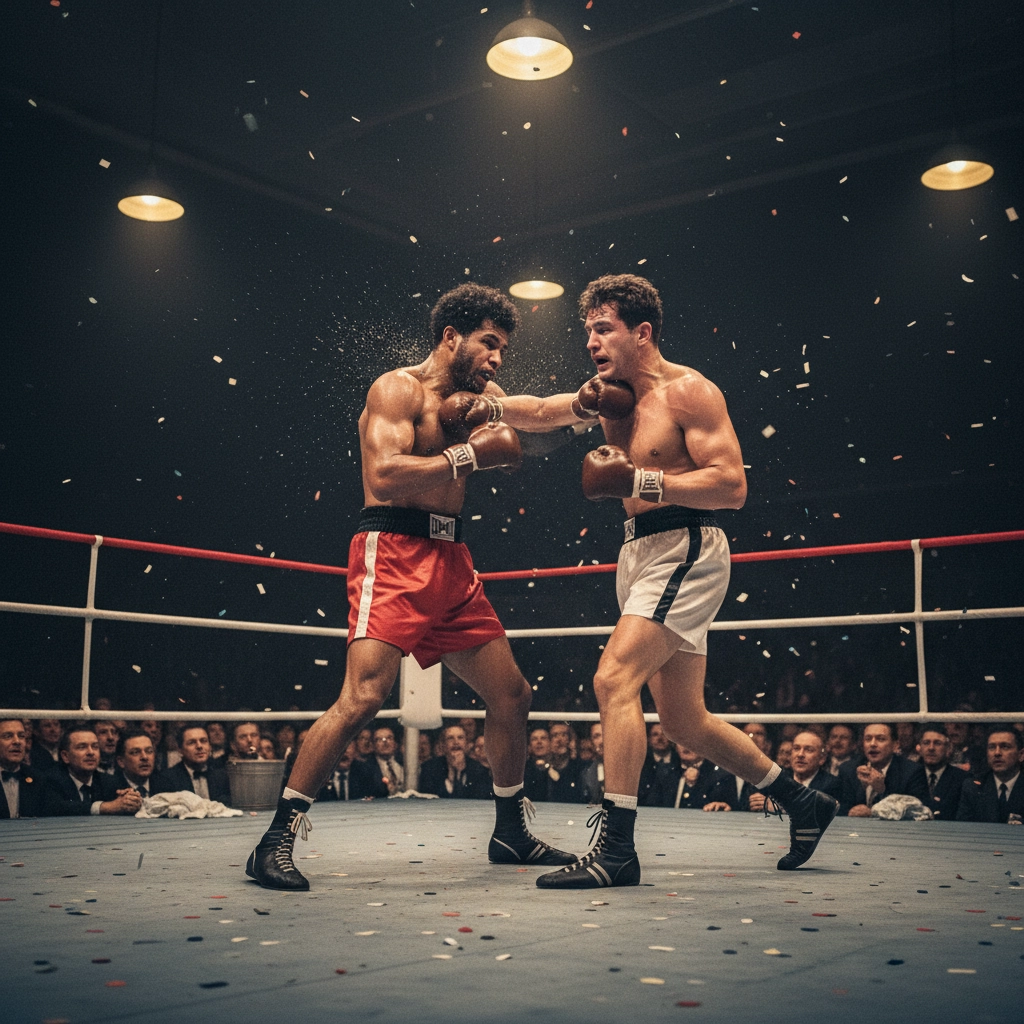
The 1921 clash between Jack Dempsey and Georges Carpentier was less a single technical pivot than a commercial and media turning point. Billed as a modern spectacle, it produced one of boxing’s first “million-dollar” gates and brought the sport to listeners far beyond the arenas via widespread radio coverage. Evaluate this fight along the three axes: technically it didn’t invent new tactics, but institutionally it standardized big‑event promotion practices—purses, gate accounting, and the idea that a single bout could finance a promoter’s empire. Culturally, the fight reset expectations about boxing as mass entertainment rather than a localized pastime.
Promoters learned to package personalities, manage national narratives (hero vs. outsider), and monetize broadcast access. Radio turned ephemeral ringside drama into a shared national experience, expanding boxing’s fanbase and making champions household names. The economic template established here—high-stakes gates combined with mass-media saturation—became the financial engine for later heavyweight eras and cemented the promoter’s role in shaping not only matchups but public perception.
The Long Count and rule enforcement: Dempsey vs. Tunney (1927)
Few single incidents clarified the need for stricter in-ring governance like the “Long Count” in Dempsey vs. Gene Tunney. When Tunney was floored but Dempsey failed to retreat to a neutral corner, the referee delayed the count; Tunney rose and ultimately won a unanimous decision. The episode crystallized how ambiguous enforcement could decide championships and catalyzed concrete procedural fixes.
Technically, the bout underscored how tiny timing and positioning details could alter outcomes—leading trainers to drill the neutral-corner rule and better prepare fighters for referee procedures. Institutionally, athletic commissions and sanctioning bodies tightened timekeeping standards and clarified the referee’s authority, diminishing post-fight protests and litigation. Culturally, the controversy fed newspaper debates and amplified boxing’s drama in popular imagination, reinforcing that the sport’s legitimacy depended as much on rule clarity as on physical superiority.
Joe Louis and the geopolitics of the ring: Schmeling, 1936–1938
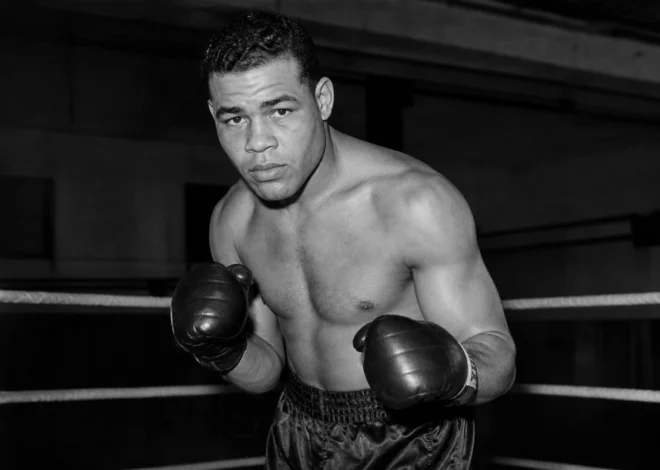
The two encounters between Joe Louis and Max Schmeling straddle sport and global politics. Schmeling’s 1936 upset of Louis in Germany exposed the myth of invincibility surrounding emerging American Black champions; the 1938 rematch, staged at Yankee Stadium, carried unmistakable geopolitical weight. Louis’s first-round knockout of Schmeling resonated far beyond boxing: it was framed domestically as a repudiation of racialized propaganda abroad and as a patriotic spectacle at home.
Technically, these fights reinforced the value of disciplined preparation and strategic game‑planning—Louis’s camp learned from the first loss and exploited weaknesses in the rematch. Institutionally, the bouts spotlighted the promoter’s and government’s capacity to harness boxing for national messaging; the rematch attracted unprecedented attention from politicians and the press. Culturally, Joe Louis became a symbolic figure whose victories helped reshape American perceptions of Black athletes’ national significance, accelerating mainstream acceptance and changing who promoters and broadcasters felt comfortable elevating to headline status.

Mid-century to the modern age: television, sanctioning bodies, and superstar narratives
After Joe Louis, boxing’s timeline accelerated through new technological and commercial shifts. Television transformed how fights were packaged and consumed, turning boxers into weekly personalities and making undercards and narrative build-ups central to promotion. The Ali era introduced athlete-activists whose influence extended beyond the ring, while later heavyweight rivalries and the rise of pay‑per‑view (beginning in the late 20th century) supercharged purses and global viewership.
Institutionally, the proliferation of sanctioning bodies and titles complicated championship lineages and altered matchmaking incentives. Technically, training science, weight-class specialization, and defensive systems evolved under continuous pressure from changing rules and broadcasted styles. Culturally, each marquee fight provided a platform for broader social conversations—about race, politics, and celebrity—that kept boxing tethered to the public imagination.
Enduring lessons from transformative fights
Landmark matches do more than decide a champion; they serve as social experiments that reveal what the sport values and how audiences respond. Studying them sharpened the three lenses we used throughout this timeline—technical impact, institutional shift, cultural ripple—and offers a method for interpreting future turning points. For anyone seeking deeper primary sources, the International Boxing Hall of Fame maintains archival materials and contextual essays that illuminate many of these bouts: International Boxing Hall of Fame.
As boxing continues to evolve—with new media, changing labor dynamics, and shifting social conversations—these fights remain reference points. They remind us that rules, technology, and narrative are always in dialogue, and that single contests can reverberate far beyond the ropes.
Frequently Asked Questions
Which fight helped popularize the Marquess of Queensberry rules?
James J. Corbett’s 1892 victory over John L. Sullivan is widely credited with popularizing gloved boxing under the Marquess of Queensberry rules, highlighting technical footwork and defense over bare-knuckle brawling.
What was the “Long Count” and why did it matter?
The “Long Count” occurred in Dempsey vs. Tunney (1927) when Dempsey failed to retreat to a neutral corner after knocking Tunney down, delaying the referee’s count. The incident exposed gaps in in-ring enforcement and led to clearer procedures and stricter timekeeping by commissions and referees.
How did broadcast media change boxing’s commercial model?
Radio and later television transformed boxing from a localized spectacle into mass entertainment. Events like Dempsey vs. Carpentier (1921) introduced large gates and national broadcasts, while TV and pay‑per‑view expanded global audiences and shifted revenue toward broadcast rights and promotion-driven marquee events.