Why Modern Boxing Makes It Nearly Impossible to Dominate a Weight Class
The Era of Undisputed Champions Is Harder to Reach Than Ever
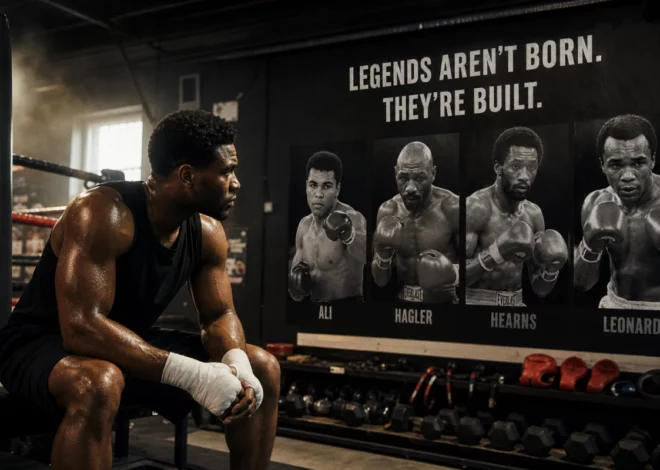
There was a time when a single fighter could hold a weight class in a firm grip for years. Joe Louis defended the heavyweight title twenty-five times. Sugar Ray Robinson ruled the middleweight division with such authority that his name became synonymous with it. In those eras, dominance was not just possible — it was expected of any truly great champion. Modern boxing tells a different story.
Even the most gifted fighters today struggle to establish sustained, uncontested control. The reasons are not purely athletic. The competitive landscape has deepened, but the structural and promotional forces shaping modern boxing have done more to fragment dominance than any generation of talented challengers. Understanding why requires a closer look at how the sport is organised, marketed, and contested at the highest level.
How Multiple Sanctioning Bodies Divided the Championship Picture
For much of the twentieth century, a single organisation — primarily the WBA or WBC — held recognised authority over each weight class. A fighter who won that title was, without serious debate, the world champion. That clarity has long since disappeared.
Today, four major sanctioning bodies — the WBA, WBC, IBF, and WBO — each award their own world title in every division. Add the WBA’s practice of naming both a “regular” and a “super” champion in the same division, and the picture becomes even harder to read. A fighter can hold one belt and be a legitimate world champion by technical definition while never having faced the person most experts consider the true best in that division.
To be considered a genuine unified champion, a fighter must navigate negotiations between rival promotional companies with competing financial interests. Promoters have little incentive to put their champion at risk against another organisation’s title-holder unless the commercial reward is compelling. Unification fights are far rarer than fans deserve, and the weight class picture remains deliberately fractured.
When Oleksandr Usyk unified the WBA, WBC, IBF, and WBO heavyweight belts in 2024, it was treated as a landmark achievement — which says everything about how rarely it happens. Previous generations would have considered such consolidation routine business.
The Mandatories System and Champion Autonomy
Each sanctioning body maintains a rankings system obligating its champion to face a mandatory challenger within a set timeframe or risk being stripped. In theory, this protects ranked contenders. In practice, it frequently derails a champion’s preferred career path and gives promoters another tool to complicate negotiations.
A champion pursuing a high-profile unification fight may find a mandatory deadline forces a diversion. Fulfilling one mandatory often triggers another, keeping champions busy without producing the marquee matchups that cement legacies. Structural obligation, not competitive avoidance, often stands between a gifted fighter and the consecutive, defining victories that built the reputations of earlier champions.
How Promotional Power Has Reshaped Matchmaking
If sanctioning bodies created the structural maze, the modern promotional ecosystem built the walls within it. Boxing today operates as a collection of competing commercial empires, each protecting its own assets. The result is a sport where the best fights are frequently the hardest to make.
Major promotional outfits develop fighters in controlled environments, building records and generating momentum before genuine risk is taken. A promoter who controls a marketable unbeaten champion has a commercially valuable asset. Putting that asset against another promoter’s equally dangerous fighter — before the moment is financially optimal — is a decision few make voluntarily. What looks like avoidance is often, from a business perspective, rational asset management.
Exclusive broadcasting deals have amplified this problem. When a major promotional company has a long-term agreement with a specific platform or network, their fighters are locked into that ecosystem. A fight between two elite fighters becomes harder to make not just because of competitive risk, but because revenue splits between rival broadcasters may be impossible to agree. Fans wait years for fights that should have happened immediately — not because either fighter refused to compete, but because the financial architecture made cooperation structurally unlikely.
The Pay-Per-View Economy and Its Demands
Boxing’s reliance on pay-per-view revenue has shifted what promoters and broadcasters expect from champions. A fighter who dominates their division by defeating worthy but commercially unknown opponents may be athletically impressive but financially insufficient in the current model. The economics increasingly reward marquee appeal over competitive thoroughness.
Champions in the Louis or Robinson era were expected to fight regularly and defend often. Today, a fighter may be advised to wait for the right opponent at the right commercial moment. That selectivity means fewer fights and a shorter competitive record than earlier champions accumulated — making prolonged, authoritative dominance harder to demonstrate by sheer volume alone.
The Global Talent Pool Has Made Dominance Genuinely Harder
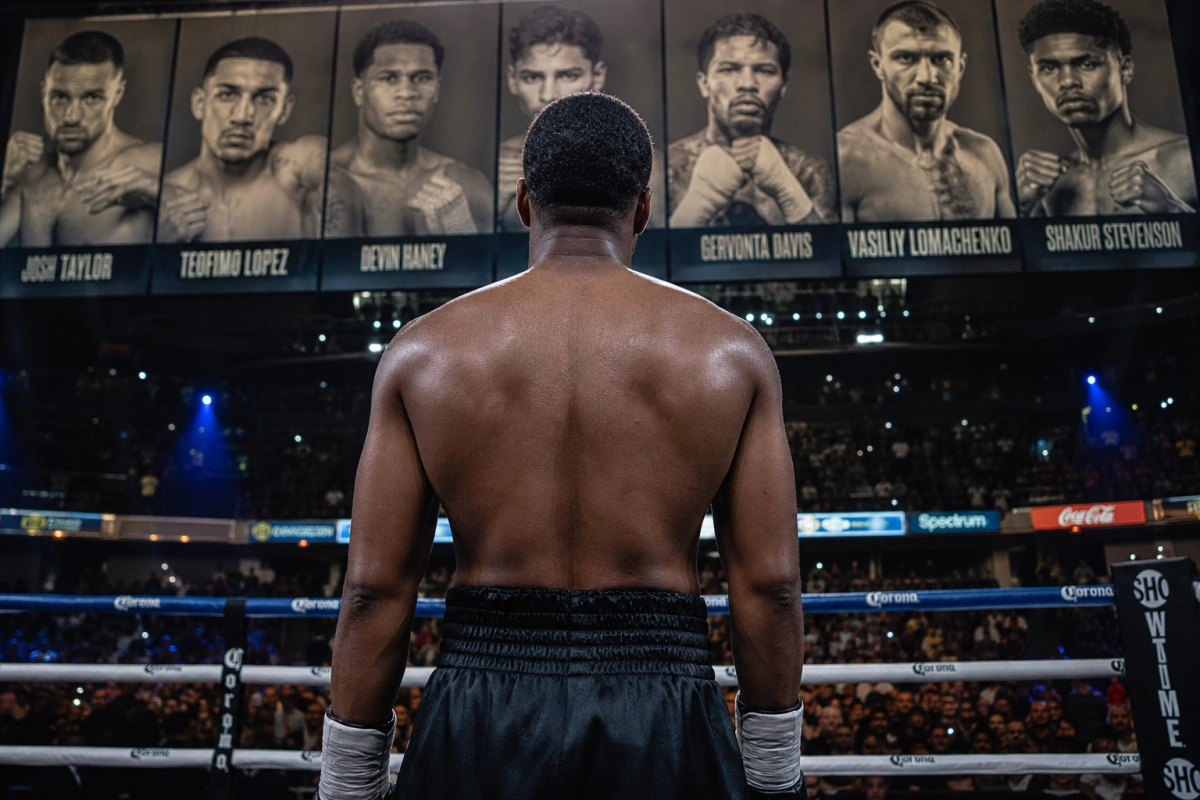
Structural factors aside, there is a straightforward athletic reality: the international talent pool is deeper and more geographically diverse than at any point in boxing history. Fighters now arrive from boxing cultures across Eastern Europe, Central Asia, Latin America, Africa, and the Caribbean with levels of technical polish that were simply less common in earlier generations.
Olympic programmes, national governing bodies, and international competitions have developed sophisticated fighters in countries that decades ago had little professional boxing infrastructure. When those fighters enter the paid ranks, they bring thousands of hours of high-level sparring, refined technique, and competitive experience. The challenger a champion faces today is, on average, more professionally prepared than his equivalent from thirty or forty years ago.
This is not a slight against earlier champions — the best of any generation would have adapted to any environment. It is an acknowledgement that the margin for error at the top of a modern weight class is razor thin. Sustaining dominance against a deep, internationally sourced field — while navigating mandatory defences, promotional politics, and broadcast negotiations — is a challenge with no real historical equivalent.
The Arms Race in Fighter Preparation
Elite preparation has evolved in ways that level competitive playing fields. Strength and conditioning, sports nutrition, recovery protocols, and data-driven performance analysis were largely absent from boxing training even two decades ago. Today, top-tier fighters at every level access methods that would have seemed extraordinary to earlier champions.
Physical gifts that once separated an elite fighter from the pack — exceptional athleticism, superior recovery, unusual strength — are now more broadly distributed across the field. The preparation gap has narrowed, and with it the margin that once allowed the very best to accumulate long, dominant reigns almost as a matter of athletic inevitability.
Why the Modern Champion Deserves to Be Judged on Different Terms
The instinct to compare modern champions unfavourably with those of earlier eras is understandable but ultimately incomplete. Joe Louis’s twenty-five defences and Robinson’s years of middleweight authority unfolded within a fundamentally different architecture — fewer title bodies, simpler promotional structures, no rival broadcast empires, and a considerably narrower international talent base. The measuring stick itself has changed shape.
A fighter who holds a unified championship today has navigated mandatory obligations across multiple organisations, survived negotiations between promotional camps with misaligned interests, and defeated opponents drawn from the most internationally competitive talent pool the sport has ever seen — all while meeting the demands of a pay-per-view economy that rewards patience as much as activity. That is a different achievement from fighting frequently within a single promotional structure against a domestic challenger field. It is not lesser. It is simply different.
The sport’s organisation is not built to produce long-term dominance. It is built to generate commercial events, protect promotional assets, and distribute titles widely enough to sustain multiple competing organisations. Dominance, when it emerges despite all of that, is a statement of exceptional individual will imposed against considerable institutional friction.
What has changed is not the quality of the fighter at the very top. What has changed is the density of obstacles between a great champion and the kind of clean, unambiguous reign that history remembers most fondly. Understanding those obstacles does not diminish the legends of the past. It brings the achievements of the present into sharper, fairer focus — and it asks the sport’s governing bodies, promoters, and broadcasters to consider whether the structures they have built serve the fighters, the fans, or primarily themselves.
Boxing has always been shaped by the era around it. The champions who navigate this one with distinction deserve the same respect history has afforded those who navigated theirs.