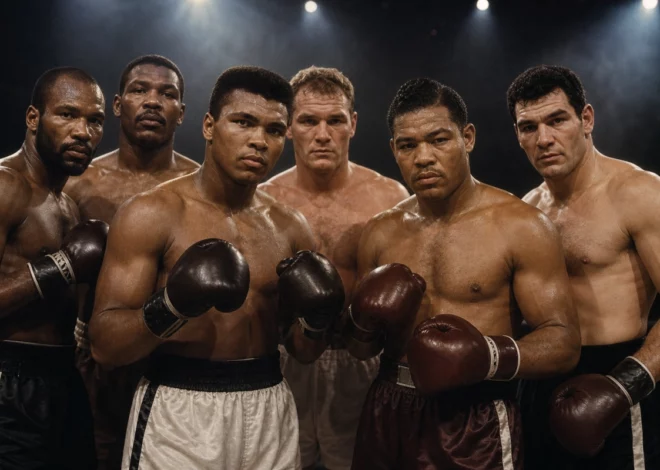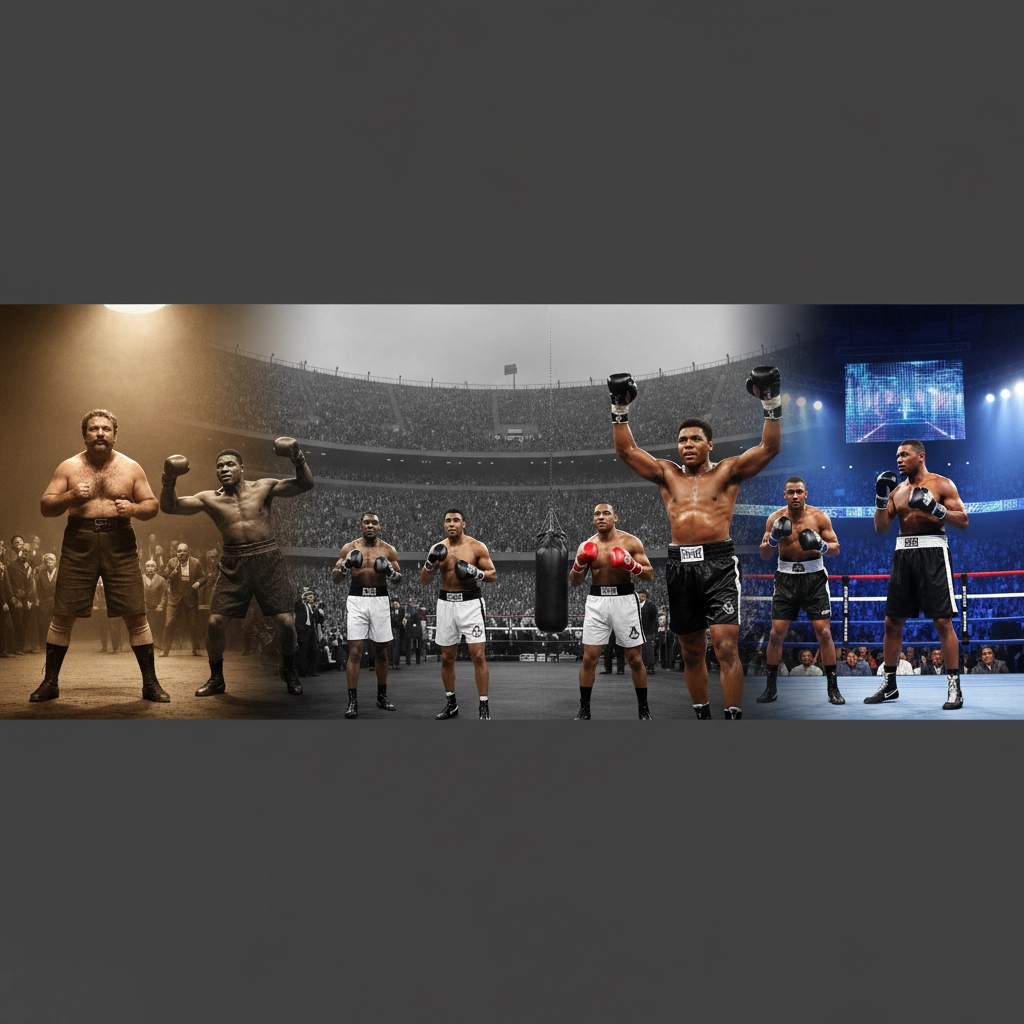
History of Boxing Champions: From John L. Sullivan to Today
How boxing moved from informal brawls to organized championship contests
You step into the story of boxing at a moment when rules, crowds, and money began to transform a loose collection of street fights and prize contests into a recognized sport. In the late 19th century, boxing was evolving fast: bouts moved from back alleys and fairgrounds into venues where paying audiences expected spectacle, order, and a declared champion. Understanding this shift helps you see why certain fighters—most notably John L. Sullivan—became more than tough men; they became national symbols and early professional athletes.
To follow the lineage of champions you should keep three developments in mind:
- Formal rules and the acceptance of gloves changed how fights were fought and judged.
- Weight divisions and governing bodies gradually created recognizable titles and clearer career paths.
- Promoters, newspapers, and later radio and film turned champions into celebrities and commercial assets.
John L. Sullivan: the last bare-knuckle icon and the sport’s first superstar
If you want a single figure who bridges old and new boxing, start with John L. Sullivan (1858–1918). Known as the “Boston Strong Boy,” Sullivan is widely regarded as the last heavyweight champion of the bare-knuckle era and the first true heavyweight champion of the gloved era. When you study Sullivan, you see how charisma, public image, and fighting ability combined to create mass appeal.
- Public persona: Sullivan cultivated toughness, swagger, and a working-class identity that fans could rally behind.
- Ring achievements: He claimed the heavyweight title in contests that were often brutal and lengthy, and he later fought under the Marquis of Queensberry rules that mandated gloves and shorter rounds.
- Legacy: Sullivan’s bouts drew national attention, establishing precedents for title claims and promotional hype that later managers and promoters would exploit.
Rule changes, gloves, and the building blocks of modern champions
Once you accept that Sullivan was pivotal, you can see how three changes shaped the champions who followed. First, the Marquis of Queensberry rules, adopted gradually in the late 19th century, required gloves, three-minute rounds, and a referee—changes that emphasized skill over sheer endurance. Second, the emergence of weight classes began to create distinct lineages of champions, so a title in one division had real meaning. Third, the growth of organized promotion and sports reporting standardized title claims and set up the idea of mandatory defenses and unification fights.
- Gloves favored technique: Punching accuracy and defense became more valuable than simply outlasting an opponent.
- Weight divisions created stars at every size: Fans could follow lightweight technicians as well as heavy-hitting heavyweights.
- Promoters and media codified fame: Newspapers and early promoters turned champions into household names and made title fights big events.
These early shifts explain why champions after Sullivan looked and fought differently, and why the path to a title became more structured—setting the stage for the legendary rivalries and institutionalized championships you’ll examine next.
Early 20th-century flashpoints: race, celebrity, and the politics of the title
You move now into a period where boxing was no longer just sport; it was a mirror for larger social conflicts. The turn of the century produced champions whose significance reached far beyond the ring. Jack Johnson’s capture of the heavyweight crown in 1908 and his unapologetic public life provoked violent backlash and the search for a “Great White Hope,” a phrase that accompanied Jim Jeffries’ comeback in 1910. Those contests show how a title bout could become a referendum on race, class, and national identity.
What matters here is less the record and more the symbolism:
– Champions were treated as avatars of their communities — and the press stoked that identification.
– Law and public order intersected with promotion; authorities sometimes moved or banned fights because of fear of unrest.
– Media coverage amplified every controversy, turning single fights into multi-day national conversations.
Understanding this era helps you see why later champions navigated both athletic and political terrain. The title was not merely earned in twelve rounds; it was defended in public opinion, legislation, and the editorial pages as well.
The Golden Age heavyweight: radio, record crowds, and long-running champions
As you progress into the 1920s–1940s, technological change remade what a champion could be. Radio and newsreels brought fights into homes and theaters, enlarging audiences and the economic stakes. Jack Dempsey’s explosive style and mass appeal turned title fights into must-see events; the 1927 Tunney–Dempsey “Long Count” fight became one of the era’s defining moments, showing how a single disputed sequence could become part of sporting lore.
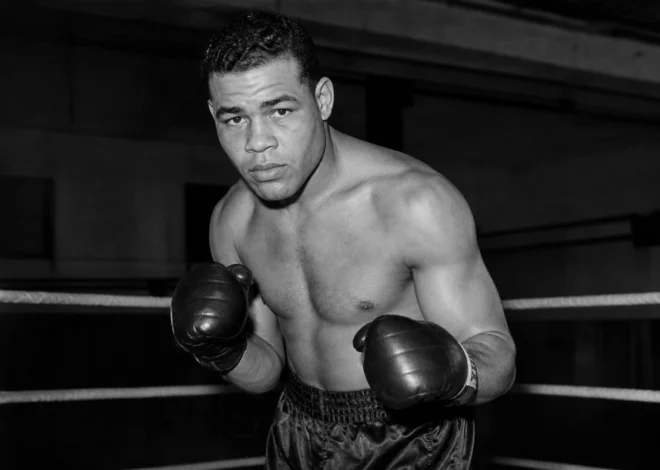
Then Joe Louis arrived and redefined the champion as a steady national figure. Louis’s long reign and 25 title defenses made him both a dominant athlete and, during World War II, a symbol of American resolve. His careful public image contrasted with earlier flashier champions, illustrating another path to mass acceptance: consistent excellence and careful management of public perception.
Takeaways from this period:
– Media expansion (radio, newsreels) turned champions into routine household names.
– Extended title reigns created clear lineages and lasting legacies.
– The champion increasingly carried cultural and even geopolitical weight.
Television, Ali, and the move toward global spectacle
Television in the 1950s–60s accelerated boxing’s transition into a global entertainment industry. Muhammad Ali epitomizes that shift: his theatrical self-promotion, political stands, and ringcraft made title fights cultural events watched around the world. Ali showed you that a champion could control narrative as skillfully as he controlled distance and timing in the ring.
At the same time, governing structures evolved. National organizations morphed into international sanctioning bodies, and television money made promoters powerful brokers of title opportunities. That combination set the stage for the later proliferation of belts and the rise of pay-per-view spectacles, while also expanding boxing’s reach from national pastime to international business. This era establishes the framework in which modern champions would be made — and marketed.
Modern champions: belts, brands, and the digital ring
Today’s champions navigate a landscape that John L. Sullivan could scarcely imagine: multiple sanctioning bodies and world titles, streaming platforms and social media, cross-promotional events, and a booming global talent pool. Fighters now build personal brands as carefully as they train—engaging fans directly on social platforms, negotiating complex pay-per-view and streaming deals, and sometimes crossing over into other combat sports or entertainment. At the same time, advances in sports medicine, concussion research, and organized governance are reshaping how careers are managed and how legacy is preserved. These pressures — commercial, technological, and regulatory — mean that a champion’s responsibilities often extend far beyond tactics in the ring.
Looking forward: the role of the champion in a changing sport
As boxing moves deeper into the 21st century, champions will continue to be mirrors of culture and catalysts for change: brand ambassadors, social voices, and test cases for improved athlete safety and fair governance. The next generation of titleholders will wrestle with questions about consolidation of belts, athlete pay, international arbitration, and how to keep the sport accessible as revenue models evolve. Institutions such as the International Boxing Hall of Fame will still enshrine legend, but the daily reality of what it means to be a champion will be decided by promoters, regulators, and fighters engaging with fans in real time. That dynamic — between tradition and innovation — is where boxing’s future champions will be forged.
Frequently Asked Questions
Why is John L. Sullivan considered a pivotal figure in boxing history?
John L. Sullivan bridged the bare-knuckle era and the gloved, rule-based sport that followed. His public persona, national fame, and participation in later bouts under the Marquis of Queensberry rules helped establish the modern idea of a professional heavyweight champion.
How did Muhammad Ali change the role of a boxing champion?
Muhammad Ali expanded the champion’s role beyond athletic performance by combining elite skill with outspoken self-promotion and political engagement. He used television and global media to shape narratives, proving that a champion could be both an entertainer and a cultural figure.
Why are there multiple world titles in modern boxing?
Multiple sanctioning bodies (WBA, WBC, IBF, WBO, among others) emerged over time, each awarding its own world titles. That proliferation reflects regional governance, commercial interests, and differing ranking systems, which has led to multiple simultaneous champions in the same weight class.