Boxing History Timeline: From Bare-Knuckle to Modern Champions
How early combat sports laid the groundwork for modern boxing
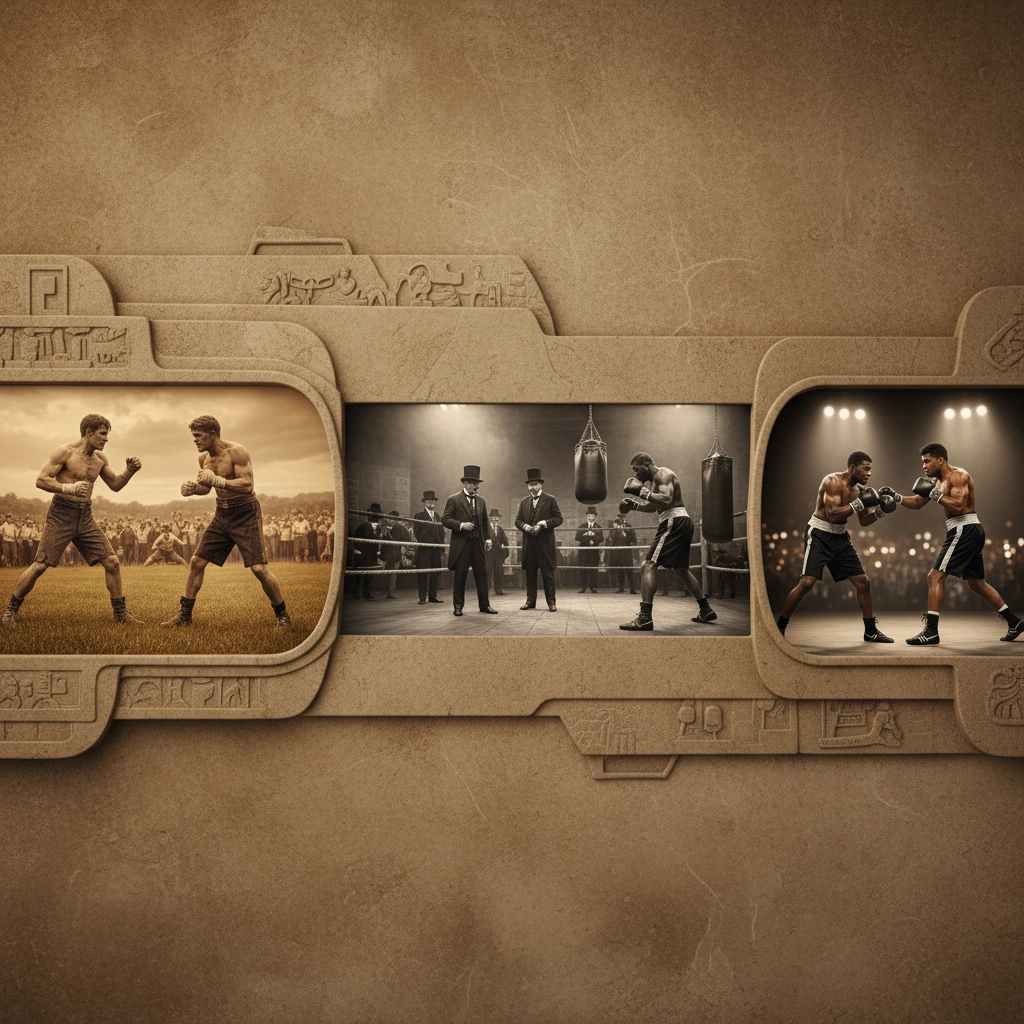
When you look at boxing’s long arc, it helps to start with the earliest examples of unarmed combat. Societies across the globe developed hand-to-hand fighting as a test of strength, skill, and social status long before there was any formal ring, referee, or weight class. Those early contests contributed techniques, cultural importance, and the idea that two competitors could settle disputes or gain honor through controlled fighting.
You’ll find evidence of pugilistic activity in many ancient civilizations: Sumerian carvings, Egyptian tomb paintings, the Minoan frescoes, and Greek depictions of pankration and boxing. In Greece, boxing became part of the Olympic tradition, emphasizing both skill and ritual. Meanwhile, in India and parts of Asia, wrestling-like systems and striking arts evolved with their own rules and training methods. These disparate traditions shared one essential element: fighting with hands as a specialized, admired endeavor rather than random violence.
The bare-knuckle era: prizefighting, patrons, and early codified rules
From informal brawls to organized prizefights
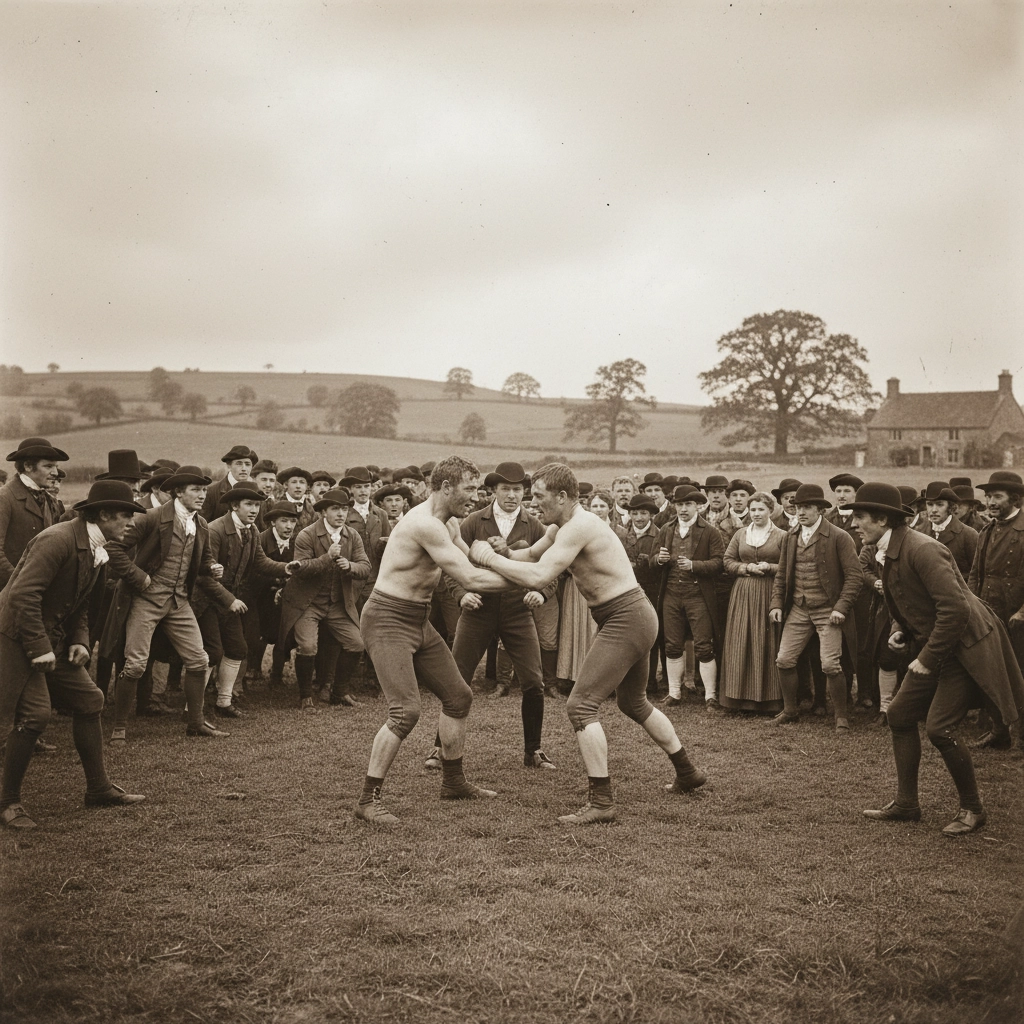
By the 17th and 18th centuries, boxing in Britain and its colonies began to shift from street brawling to organized events known as prizefights. These contests were often public spectacles sponsored by patrons, promoted in taverns, and accompanied by betting. The lack of standardized equipment and protective rules made these fights brutal and unpredictable, but they also created celebrity fighters whose reputations spread through print and word of mouth.
You should note that rounds at this time were not timed as they are today; a round often ended when a fighter was knocked down or could not continue. There were no gloves in the early prizefights—fighters used their bare fists or improvised wraps—so longevity and toughness were as valued as technique.
Key rule developments and influential figures
- Jack Broughton (mid-1700s): Often called the “father of boxing,” Broughton introduced the first formal set of guidelines to reduce fatalities and unfair advantages, including the idea of a 30-second count after a knockdown and prohibitions on hitting a downed opponent.
- London Prize Ring rules (early 1800s): These rules refined conduct for bare-knuckle contests, defining rounds by knockdowns and allowing wresting holds—shaping fighting styles and training.
- Notable fighters: Names such as Jem Belcher, Tom Cribb, and later John L. Sullivan became household words. Sullivan, operating at the end of the bare-knuckle era, bridged the gap to the gloved, modern era and illustrates how public interest and media helped elevate boxing’s profile.
Understanding these foundations—how rules evolved in response to public concern, how patrons and promoters created celebrity fighters, and how bouts were actually fought—gives you context for why the sport needed further reform. In the next section you’ll examine how the Marquess of Queensberry rules, gloves, and weight divisions transformed these rough prizefights into the organized sport you recognize today.
The Queensberry revolution: gloves, timed rounds, and a new rulebook
The formal turning point came with the Marquess of Queensberry rules, drafted by John Graham Chambers and published in the late 19th century. Those rules did more than tidy up the sport’s etiquette; they reframed what boxing was. The mandatory wearing of gloves reduced facial cuts and shifted emphasis from sheer toughness to technique, footwork, and defensive skill. Timed rounds with fixed rest periods replaced the older knockdown-defined rounds, introducing pacing, stamina training, and strategic round-by-round planning.
Along with equipment and timing, the Queensberry framework pushed boxing toward more consistent officiating. Referees and ringside judges gained clearer authority to enforce fouls, count knockdowns, and stop fights for the safety of the combatants. The effect was cumulative: bouts became less about grinding out raw attrition and more about skillful combination punching, countering, and ring generalship. Promoters could now sell a predictable, repeatable product to spectators and the press, and trainers adapted by formalizing routines, sparring methods, and conditioning.
These rule changes also made boxing easier to stage under local laws and athletic clubs. With gloves and stricter conduct, contests were less likely to be prosecuted as illegal brawls, which helped move many matches into theaters, arenas, and athletic clubs—venues that attracted paying crowds and respectable coverage. The sport’s transition from a largely male tavern culture to a public entertainment industry set the stage for the professionalization that followed.
From national spectacles to international champions: the professional era takes shape
Once rules and venues stabilized, boxing’s organizational structures and public profile developed rapidly. Weight divisions became more carefully defined, sanctioning bodies and state commissions emerged to certify champions, and newspapers—then radio and later television—created mass appeal. Fighters who mastered the new technical demands became the first modern celebrities: men like Jim Corbett, who used scientific boxing to dethrone John L. Sullivan, and later stars whose personalities and styles captured national attention.
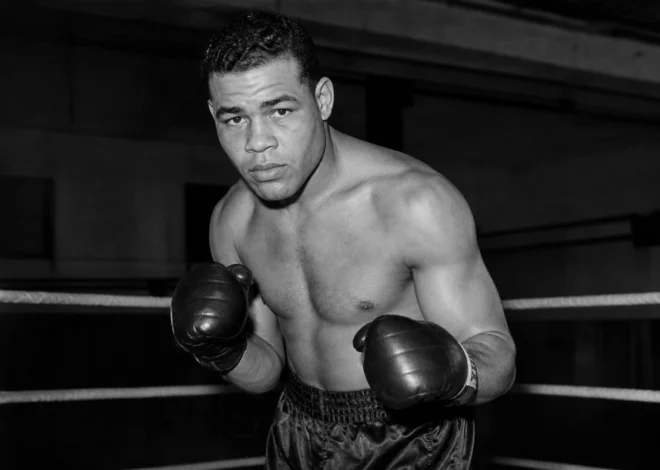
Boxing’s rise as a headline sport in the early 20th century coincided with profound social and cultural shifts. Champions crossed class and national boundaries, and bouts became stages for broader conversations about race, immigration, and national identity. Jack Johnson’s reign as heavyweight champion in the 1910s, for example, was as politically charged as it was athletic, while the dominance of Joe Louis in the 1930s and ’40s carried heavy symbolic weight during tumultuous global decades.
Institutional developments followed the headlines. Promoters, managers, and athletic commissions formalized title claims, matchmaking, and rankings. This professional machinery allowed champions to travel internationally, defend belts under agreed rules, and be recognized across jurisdictions. The combination of standardized rules, media exposure, and organized promotions turned boxing into a global spectator sport and created the conditions for the modern champions and rivalries that would define the 20th century.
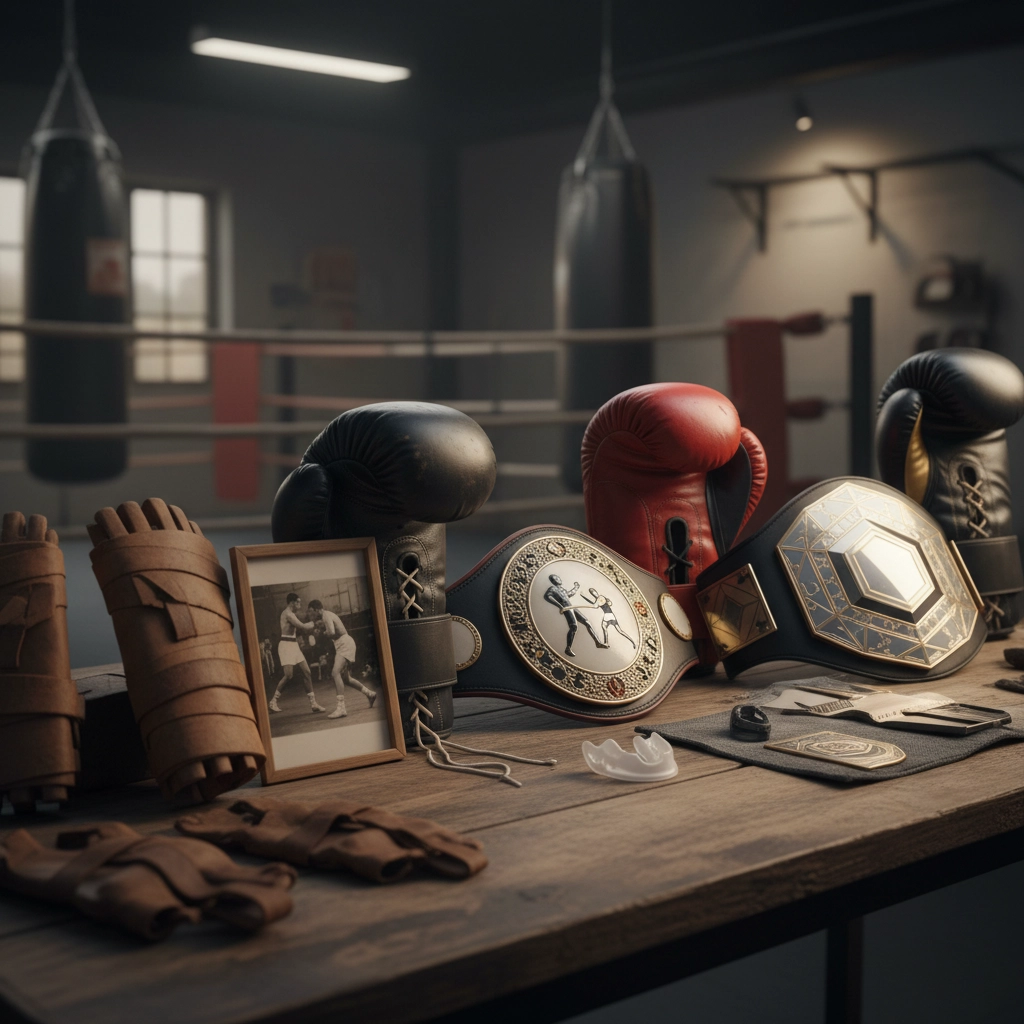
The modern era: television, pay-per-view, and evolving institutions
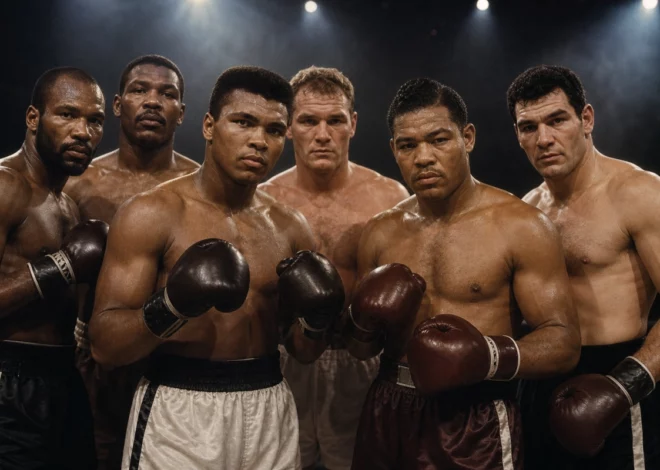
Throughout the 20th century and into the 21st, boxing’s profile followed the growth of mass media. Radio and then television turned fighters into household names; pay-per-view and global broadcasting turned marquee fights into massive commercial events. Icons such as Muhammad Ali transformed the sport with charisma and political presence, while the rise of multiple sanctioning bodies (WBA, WBC, IBF, WBO) changed how titles are contested and marketed.
At the same time, the sport has adapted to new concerns and opportunities. Advances in sports science, nutrition, and conditioning reshaped training; stricter medical oversight, anti-doping measures, and concussion protocols responded to safety worries; and women’s boxing and international talent pools broadened the sport’s competitive base. Promoters, broadcasters, and governing bodies continue to negotiate the balance between spectacle, athlete welfare, and fair competition.
Enduring legacy and future directions
Boxing remains a living tradition: a contest that preserves centuries-old themes of skill, resilience, and spectacle while continually responding to social, technological, and ethical shifts. Its future will be shaped by how well stakeholders protect athletes, harness scientific advances, and expand access without losing the sport’s distinct competitive character. For those who study or follow boxing, resources that trace its rules, personalities, and institutions—such as Britannica: Boxing—offer useful context as the sport moves forward.
Frequently Asked Questions
What were the Marquess of Queensberry rules and why are they important?
The Marquess of Queensberry rules, published in the late 19th century, introduced mandatory gloves, timed rounds with rest periods, and clearer referee authority. They shifted boxing toward technique and safety, enabled more consistent officiating, and helped the sport transition into the regulated, spectator-friendly contests familiar today.
How did bare-knuckle prizefights differ from modern boxing matches?
Bare-knuckle fights often used rounds defined by knockdowns rather than fixed time, allowed limited grappling, and had no standardized gloves—making fights longer and more attritional. They were also organized through patrons and public spectacles with looser legal standing, whereas modern bouts operate under codified rules, medical oversight, and formal sanctioning bodies.
In what ways has modern technology and science changed training and safety in boxing?
Contemporary training benefits from sports science (periodized conditioning, nutrition, recovery protocols), video analysis, and data-driven coaching. On the safety side, advances include improved medical screenings, ringside concussion protocols, and anti-doping testing—all aimed at reducing long-term harm while preserving competitive integrity.