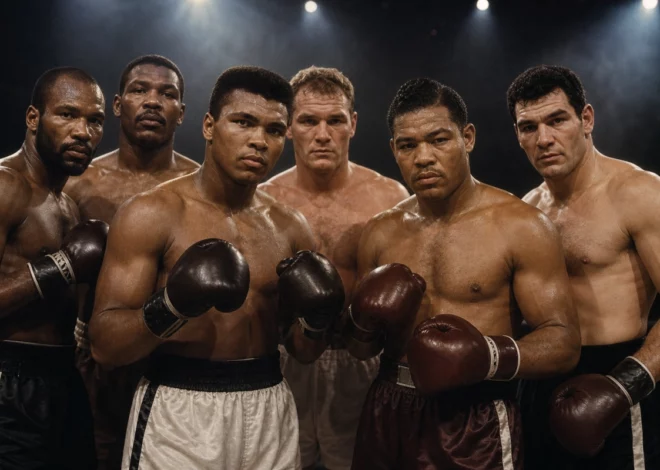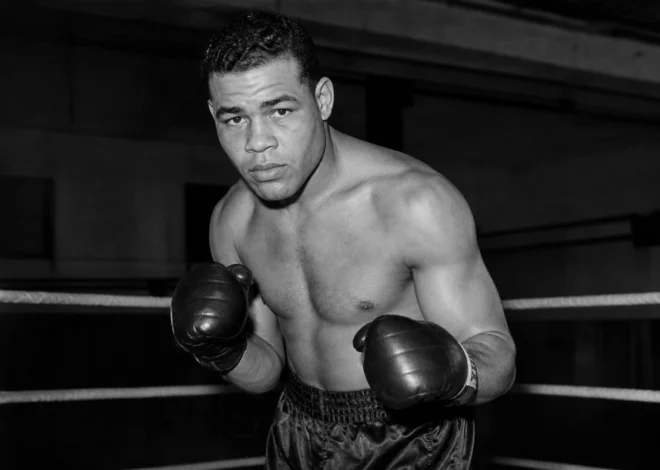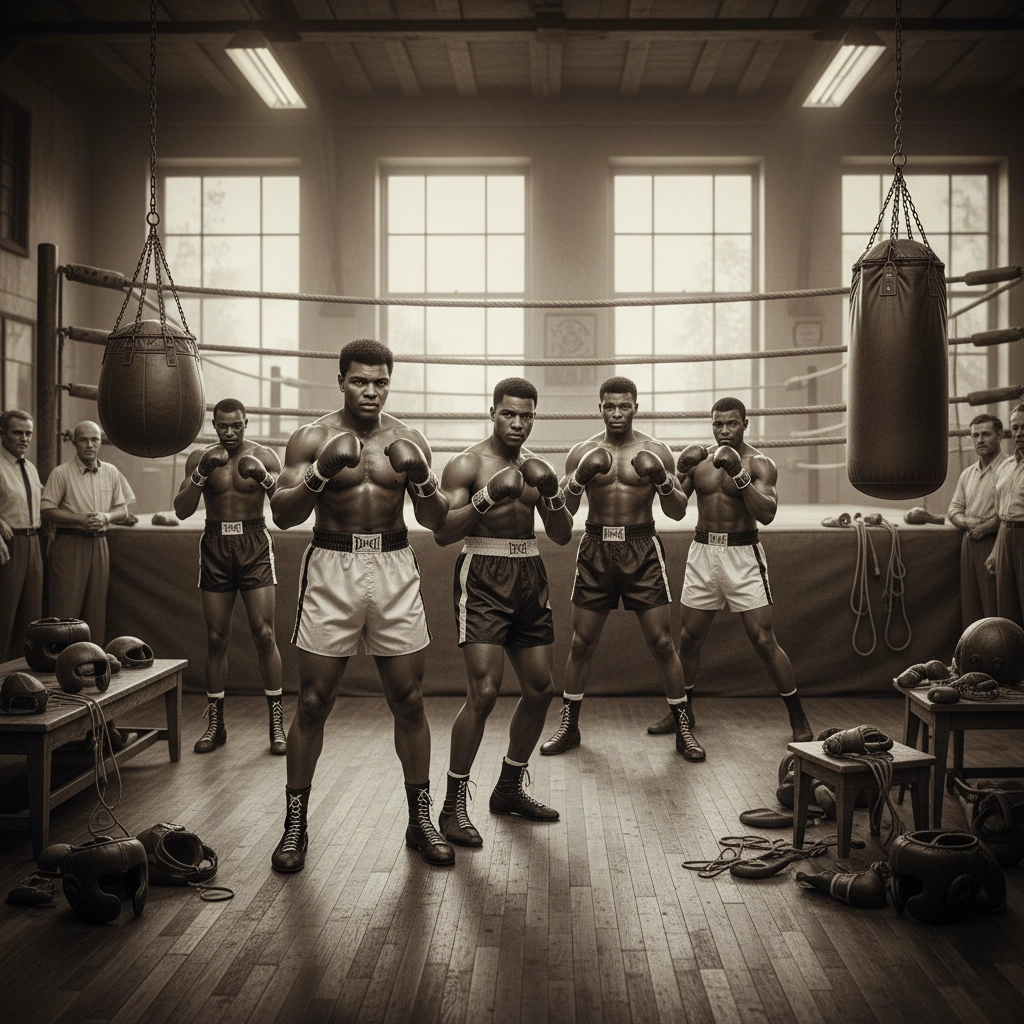
History of Boxing Champions: Legends Who Shaped the Sport
When champions first defined what boxing meant to spectators
You encounter boxing today as a blend of sport, spectacle, and cultural storytelling — but that identity was forged over decades. In the 19th and early 20th centuries, fighters transformed prizefighting from rough, often lawless contests into an organized spectacle that captured public imagination. Understanding how those earliest champions emerged helps you see why certain names still resonate and how the sport’s rules, class divisions, and media attention shaped who rose to the top.
How social context and spectatorship created legends
Boxing’s rise corresponded with urbanization, the growth of the press, and changing attitudes about sport and masculinity. As cities swelled, you could find large crowds eager for entertainment; newspapers began covering fights in detail; and promoters learned to package bouts as headline events. Champions became not just the best fighters but symbols — of national pride, racial struggle, or working-class aspiration. When you trace early champions, you’ll notice their influence extended beyond the ring into politics, race relations, and popular culture.
How rule changes and organization produced the modern champion
To follow the lineage of champions, you need to understand the rules that made modern boxing possible. The shift from bare-knuckle prizefighting to gloved contests under codified rules was pivotal. You should be aware of these milestones:
- London Prize Ring Rules — Early efforts to introduce structure, focused on rounds defined by knockdowns and on limited fouling.
- Marquess of Queensberry Rules (1867) — Introduced gloves, three-minute rounds, and a ten-second count, creating the framework for modern scoring and safety.
- Formation of sanctioning bodies and titles — As promoters and newspapers declared champions, later organizations formalized belts and weight divisions, which standardized how you recognize a champion.
Those changes influenced fighting styles and training. You’ll see that fighters adapted — moving from grappling and endurance-based tactics to faster, more technical boxing focused on footwork, defense, and the strategic use of combinations.
Key early champions and the milestones they set
Several figures stand out as the architects of boxing’s modern era. When you study their careers, note not only victories but how they altered public perception or rules:
- John L. Sullivan — Often remembered as the last bare-knuckle heavyweight champion and the first to bridge prizefighting and gloved boxing; he made boxing a national spectacle.
- James J. Corbett — Credited with introducing scientific boxing to the heavyweight division; he emphasized footwork and timing, proving that skill could topple brute force.
- Bob Fitzsimmons — The first three-division champion who showed power and technique could conquer multiple weights, changing how fighters planned careers.
- Jack Johnson — The first African American world heavyweight champion; his success forced the sport and society to confront race and power in new ways.
These early champions laid the tactical, cultural, and organizational groundwork for subsequent eras of boxing — next, you will examine the golden age of heavyweights and the rivalries that captured global attention.
The golden age of heavyweights: rivalries that commanded the world
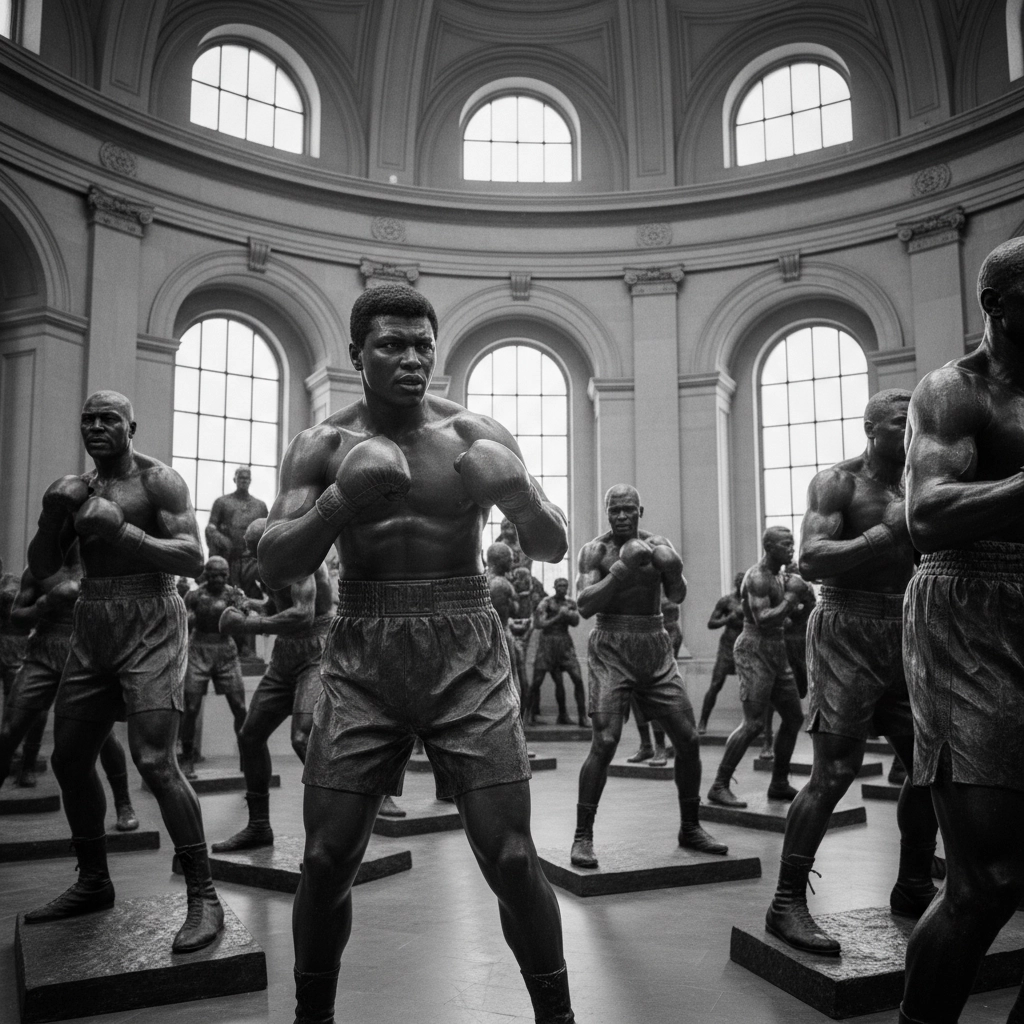
You can trace modern boxing’s global fame largely to the heavyweight rivals who turned title fights into cultural events. In the 1920s and ’30s, Jack Dempsey’s ferocity enthralled Depression-era crowds, but it was Joe Louis who altered boxing’s social meaning: his long reign and victories over white opponents provided a powerful counter-narrative to racism and made him an emblem of national unity during World War II. The heavyweight title was no longer just a sporting crown; it became a barometer of social anxieties and pride.
After a quieter postwar period, the 1960s and ’70s produced the most vivid examples of how rivalry shapes legend. Muhammad Ali (Cassius Clay) brought charisma, politics, and innovative technique together. His fights with Sonny Liston introduced his iconography; his three fights with Joe Frazier — culminating in the “Thrilla in Manila” — fused athletic drama with personal animus and political subtext. George Foreman’s upset of Frazier and later defeat to Ali in the “Rumble in the Jungle” showed how narratives — an underdog, an exile, a comeback — could be scripted into sporting mythology. These were not just fights; they were world events watched, debated, and remembered.
In the 1980s and early ’90s, Mike Tyson condensed the heavyweight mystique into raw power and menace, becoming the youngest heavyweight champion in history. His dominance and later implosion illustrated another truth: champions shape the sport both when they embody its highest virtues and when their fall dramatizes its human fragility. Through all these eras, rivalries created clear storylines for spectators to follow — heroes, villains, comeback arcs — and those storylines helped boxing remain central to popular culture.
Television, promoters, and the globalization of championhood
As you follow boxing’s evolution, note how technology and promotion expanded a champion’s reach. Radio and then television transformed local spectacles into communal experiences. Televised bouts brought faces, gestures, and ringcraft into living rooms worldwide; memorable knockouts and pre-fight trash talk gained new potency when millions could see and replay them. Promoters — from Tex Rickard in the early 20th century to later figures like Don King and Bob Arum — learned to craft narratives, build matchups, and sell pay-per-view events that turned champions into lucrative global brands.
This era also saw the rise of lighter-weight legends who proved that boxing’s appeal wasn’t confined to heavyweights. Sugar Ray Robinson’s artistry in the welter and middleweight divisions set stylistic standards; Roberto Durán, Julio César Chávez, and Carlos Monzón carried regional followings into international fame, helping to globalize the sport. Simultaneously, sanctioning bodies multiplied and world titles proliferated, complicating the lineal notion of a single “champion” but increasing opportunities for fighters from diverse nations to claim world status.
Together, media exposure and promotional savvy changed what it meant to be a champion: athletic excellence remained essential, but charisma, marketability, and geopolitical resonance became central to legacy. In the next section you will look at how fragmentation, commercialization, and the modern era’s champions rewrote the record books and public expectations.
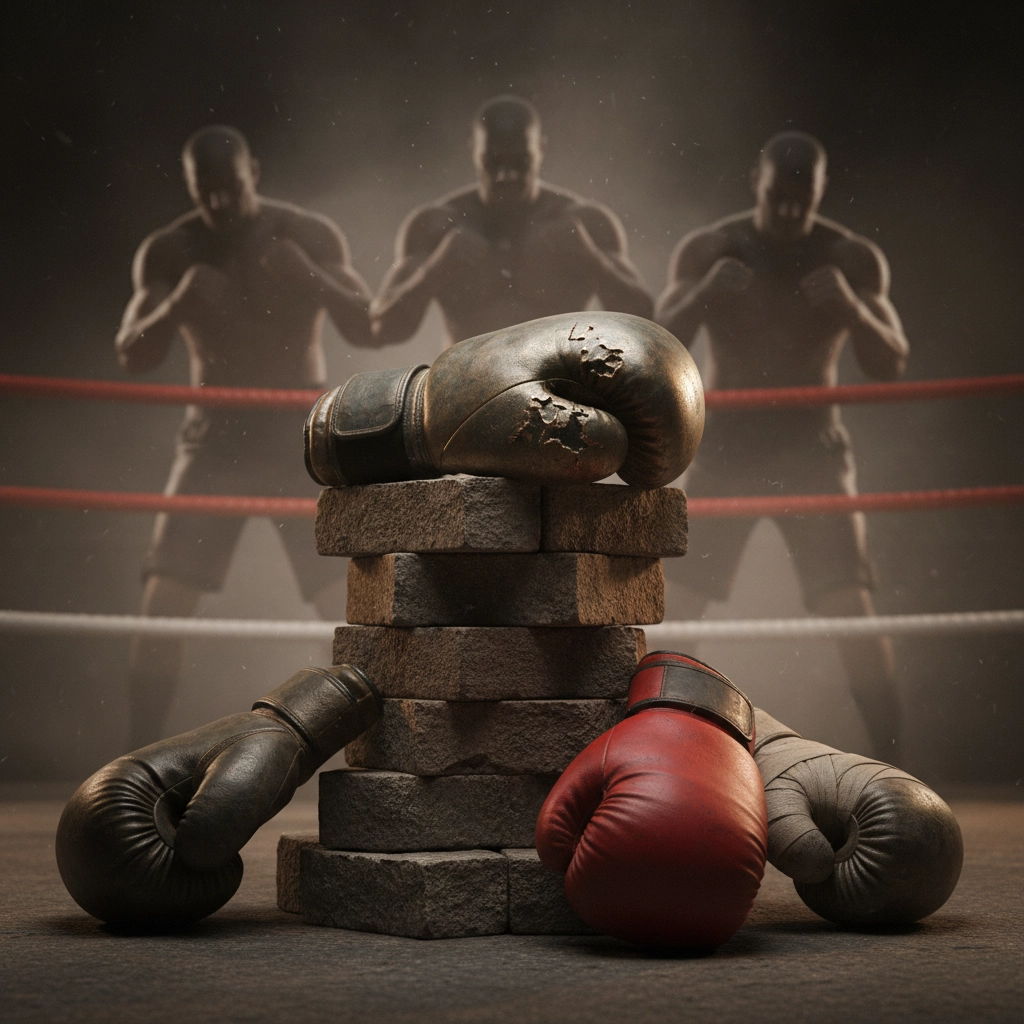
Fragmentation, commercialization, and the modern era
In recent decades, boxing has become a more complex ecosystem: multiple sanctioning bodies create numerous world titles, pay-per-view and streaming models reshape revenue, and global talent pools — from Latin America to Asia and Europe — supply elite fighters across weight classes. These changes have widened opportunity but also complicated the lineal notion of a single champion. At the same time, advances in sports science, improved safety protocols, and the rise of women’s boxing have diversified the kinds of champions who command attention. The result is a sport where legacy is formed not only by wins and belts but by market impact, cross-cultural resonance, and long-term influence on how boxing is trained, watched, and regulated.
Enduring legacy and looking forward
Champions have always been more than winners on a night in the ring — they are stories, mirrors of their eras, and touchstones for future generations. As boxing continues to adapt to new media, evolving rules, and a global fanbase, those who rise to the top will keep shaping not just tactics and training but how society reads courage, identity, and spectacle. For those who study the sport, the real reward is watching how each new champion refracts the past while charting fresh possibilities for boxing’s future. For a closer look at many of the figures who helped forge that lineage, consult the International Boxing Hall of Fame.
Frequently Asked Questions
How did the Marquess of Queensberry Rules change boxing?
The Marquess of Queensberry Rules introduced mandatory gloves, three-minute rounds, and a ten-second knockdown count, shifting boxing from bare-knuckle, endurance-based prizefighting to a more regulated, technical sport. These rules helped standardize contests and improve safety, laying the groundwork for modern boxing styles and scoring.
Why were heavyweight rivalries so important to boxing’s popularity?
Heavyweight rivalries attracted broad public interest because the division historically symbolized physical supremacy and cultural significance. High-profile bouts between figures like Joe Louis, Muhammad Ali, and Mike Tyson became global events that intersected with politics, race, and national identity, turning fights into shared social moments beyond pure sport.
How have media and promoters changed what it means to be a champion?
Media and promoters have expanded a champion’s role from athletic achiever to public personality and brand. Television, pay-per-view, and social media amplify pre-fight narratives, marketability, and revenue potential, so a modern champion’s legacy often depends on charisma, storytelling, and commercial reach as much as in-ring accomplishments.