Boxing Hall of Fame Inductees: Muhammad Ali, Joe Louis, and Boxing History
Why Muhammad Ali and Joe Louis matter to the boxing fan in you
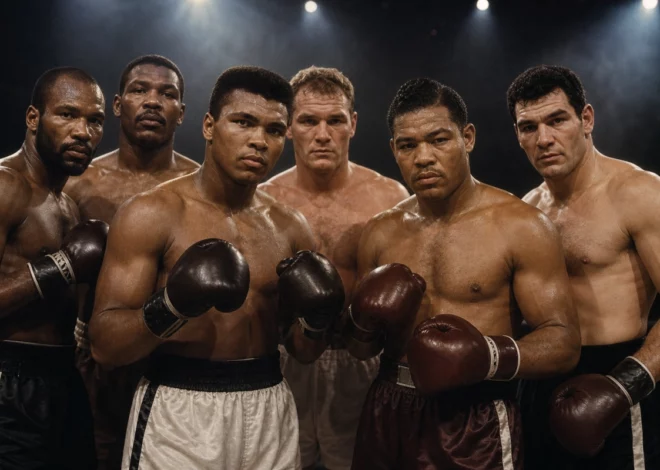
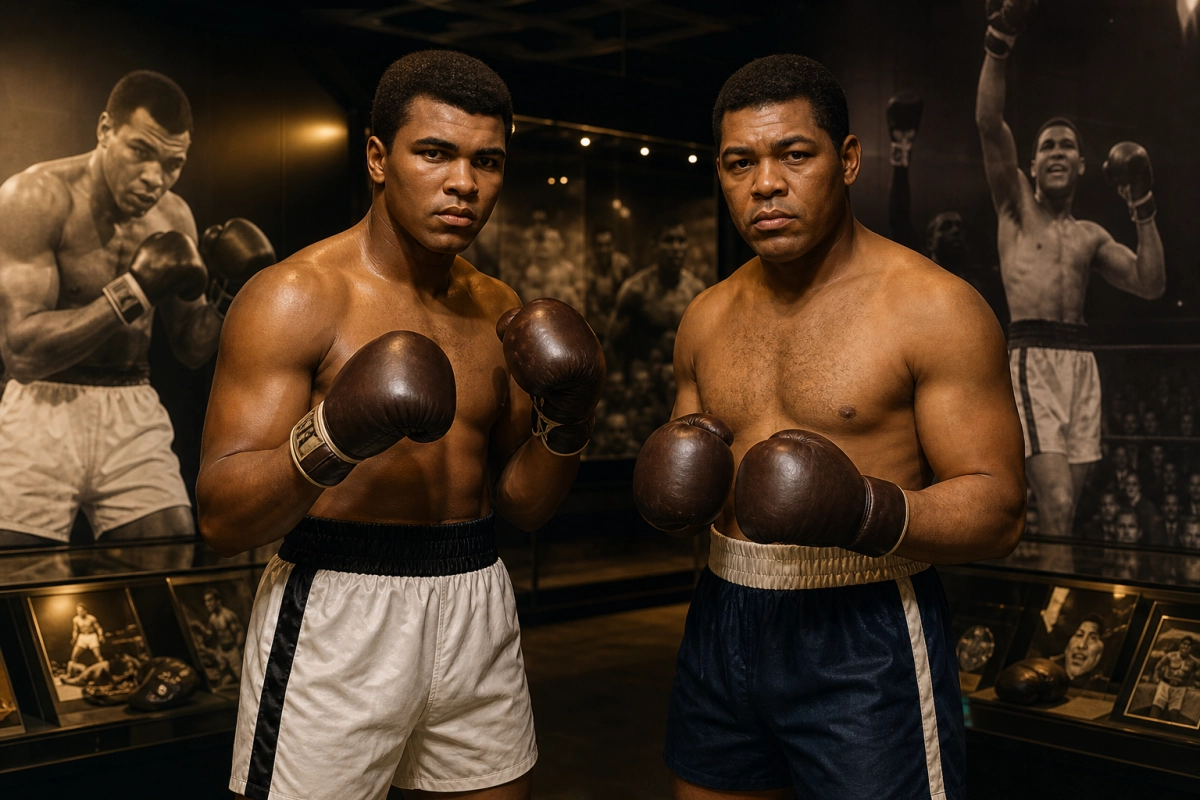
You may think of the Boxing Hall of Fame as a list of names, but it is a living map of the sport’s cultural and athletic milestones. When you study inductees like Joe Louis and Muhammad Ali, you are tracing how boxing shaped—and was shaped by—race, politics, and the evolution of athletic performance. This section gives you the early context you need to appreciate their later achievements and understand why the Hall of Fame recognizes them not only for wins, but for influence.
Both men rose from modest beginnings to become global figures. Their early paths share themes you can learn from: disciplined training, strategic matchmaking, and seizing pivotal opportunities. Below are the key early milestones that set the stage for their Hall of Fame careers.
- Rapid amateur success that positioned them for professional careers
- Early professional streaks that built public profiles and bargaining power
- Connections between their boxing success and social impact beyond the ring
Joe Louis: from Detroit gyms to heavyweight breakthrough
Early years and the rise through the ranks
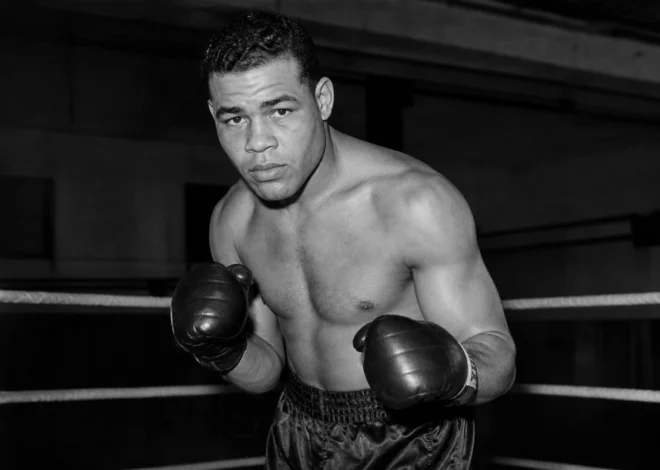
You’ll find that Joe Louis’s story begins in a segregated America where the ring offered one of the few visible paths to national recognition for Black athletes. Born in Alabama and raised in Detroit, Louis developed a technically disciplined style—powerful but methodical—that would become his hallmark. In the late 1930s, he moved from regional circuits to a national stage by stringing together decisive victories that attracted major promoters and mainstream media attention.
As you look at his early record, notice how carefully his team managed opponents and venues to build his reputation. The pattern you can trace is familiar to many Hall of Famers: sustained performance against incrementally stronger opposition, culminating in opportunities for title contention.
- Technical foundation: Louis emphasized fundamentals and body punching
- Strategic matchmaking: early opponents tested and showcased his strengths
- Public reception: key wins began to shift how national audiences viewed a Black heavyweight
Muhammad Ali: youthful promise, Olympic gold, and a new public voice
From Cassius Clay to a rising professional
When you study Muhammad Ali’s beginnings, you see an athlete whose charisma was as important as his footwork. As Cassius Clay, he won Olympic gold in 1960—an achievement that immediately marked him as a talent to watch. You’ll notice that his amateur pedigree made his early professional fights high-profile events, and his conversational style began to create a persona that fans either loved or loved to debate.
Ali’s early professional team leaned into his speed, reflexes, and promotional flair. The combination of athletic gifts and self-promotion accelerated his pathway to marquee fights. In your reading of these years, consider how his emerging identity—both pugilist and provocateur—laid groundwork for the historic moments that followed.
Next, you’ll examine the championship-era fights, landmark victories, and the broader social and political influence that sealed Joe Louis’s and Muhammad Ali’s places in the Boxing Hall of Fame.
Championship-era fights that defined their legacies
You’ll find that titles alone don’t make a legacy—specific championship fights do. For Joe Louis, the moment most often cited is his rematch with Max Schmeling in 1938. That bout was more than a title defense; it became a global spectacle loaded with political symbolism. Louis’s technical mastery—relentless, economy-of-motion punching and an uncanny ability to dismantle an opponent’s defense—was on full display. His long reign as heavyweight champion (nearly 12 years) wasn’t built on a single dramatic upset but on consistent, authoritative victories against the era’s best, which redefined what dominance looked like in the division.
For Muhammad Ali, championship moments arrived as seismic shifts. Winning the title from Sonny Liston in 1964 announced his arrival; the comeback win over Liston, his later losses and redemptions, and the trilogy with Joe Frazier map a career of peaks and troughs that turned each title bout into a narrative event. Rumble in the Jungle (vs. George Foreman) and Thrilla in Manila (vs. Frazier) weren’t merely fights—they were strategic masterpieces and demonstrations of psychological resilience. In these marquee events Ali’s tactics (speed, angle, and, famously, rope‑a‑dope) intersected with his capacity to shape the story around the ring, elevating the contests into cultural moments.
Boxing, protest, and the Hall of Fame: how influence counts
You’ll notice the Hall of Fame honours more than records; it recognizes how fighters changed the sport’s place in society. Joe Louis became, in and out of the ring, a symbol of American perseverance during wartime. His success helped crack open doors for Black athletes in mainstream media and sponsorships, even as he navigated the compromises and pressures of a segregated society. Muhammad Ali’s case is different but complementary: his principled refusal to be drafted, his conversion to Islam, and his vocal opposition to racial injustice transformed him into an icon of protest whose impact radiated well beyond boxing.
When the Hall recognizes fighters like Louis and Ali, it is acknowledging complex legacies—sporting excellence fused with social consequence. Their enshrinement signals that the sport values athletes who used their platform to affect public conversation, whether by breaking racial barriers, confronting political institutions, or expanding how a champion might behave outside the ropes.
Technical contrasts and lessons for modern fighters
You’ll learn as a fan that studying these two men reveals contrasting blueprints for success. Louis teaches the value of technical efficiency: impeccable jab placement, devastating body shots, and an economy of movement that conserved energy while maximizing power. Ali, by contrast, illustrates the tactical power of speed, reflex, and adaptability—how to turn showmanship into psychological leverage and how to reinvent defensive tactics mid‑fight.
Modern fighters borrow from both playbooks. Trainers still drill Louis‑style fundamentals for punching mechanics and positional control, while Ali’s emphasis on footwork, timing, and ring intelligence informs contemporary approaches to pacing and mental warfare. Together, their styles constitute a syllabus for any student of the sport who wants to understand not just how to win, but how to define an era.
Enduring lessons and where to go next
Louis and Ali remind you that greatness in boxing is never only about wins and losses — it’s about choices made under pressure, how a fighter carries influence outside the ring, and how moments in sport ripple through society. As a fan or student of the sport, those are the threads worth following: craft, conscience, and the cultural conversations boxing can spark.
How to deepen your appreciation
- Watch their fights with attention to technique and strategy; pause and study sequences to see how fundamentals and improvisation interact.
- Read contemporary reporting and first‑hand accounts to understand how public perception and politics shaped each career.
- Visit museums, archives, and halls that preserve boxing history — for an overview of inductees and exhibits, see the International Boxing Hall of Fame.
- Support local gyms and coaches who teach the fundamentals that underpinned champions like Louis and Ali.
- Engage respectfully in conversations about sport and society: their legacies are as much about values and context as they are about athletic achievement.
Keep watching, learning, and asking questions — the ring still has lessons to teach, and the stories of figures like Joe Louis and Muhammad Ali will continue to reward close attention for generations to come.