Joe Louis Biography: From Shelby, Tennessee to World Heavyweight Champion
Tracing Joe Louis’s Southern roots and the road north
You begin this biography by locating the context that shaped Joseph Louis Barrow. The story opens in the rural American South, a landscape of tight-knit families, limited opportunity, and deep cultural traditions. From those beginnings, Joe Louis’s life followed a trajectory many young Black Americans shared in the early 20th century: movement, resilience, and a search for better opportunities. This section links his Southern heritage—often associated with places like Shelby, Tennessee—to the social and economic forces that influenced his family’s decisions and his early identity.
Family background and formative influences
You should understand the household and community that framed Louis’s youth. Raised in a family striving to make ends meet, he absorbed lessons about discipline, work, and pride. Several realities stood out:
- Economic hardship: Limited jobs and resources in rural areas pushed families to seek work elsewhere, creating a context of migration and adaptation.
- Community networks: Churches, local businesses, and extended kin provided social support and moral instruction that shaped young men’s sense of duty and resilience.
- Early exposure to organized sports: Informal street fights, local athletic contests, and school athletics were common outlets for energy and ambition.
As you follow Louis’s early years, note how family expectations and community standing combined with an emerging natural talent for athletics to point him toward boxing as a viable route to respect and financial stability.
First encounters with boxing and early training
You next see how interest turned into practice. In adolescence, Joe began testing his strength and skills in local bouts and sparring sessions. Key moments that established his foundation included:
- Local fights and tournaments where he honed basic technique and learned ringcraft.
- Mentors and trainers who introduced structured training, teaching footwork, defense, and the hallmark power that would define his style.
- Military service and amateur competition, which provided disciplined training environments and broader exposure to organized boxing circuits.
These early experiences taught you how Joe developed a blend of explosive punching, disciplined defense, and tactical patience that would later translate into dominant professional performances. They also reveal how broader social changes — migration to industrial cities, access to gyms, and military boxing programs — created new opportunities for talented athletes.
With a clear picture of his upbringing and the skills he began to refine, you are now ready to follow how these foundations propelled Joe Louis from promising amateur into a professional contender and, ultimately, a world heavyweight champion.
Turning professional and climbing the heavyweight ladder
After polishing his craft in the amateurs and the military, Joe Louis took the step that defined his future: he turned professional. This transition was not instantaneous fame; it was a deliberate climb shaped by careful matchmaking, a dedicated team, and the need to master the rhythms of 15-round championship boxing. You watch him move from promising prospect to serious contender through a combination of strategy and consistent performance.
Several practical elements marked this phase:
- Management and mentorship: Louis’s handlers guided his early career, selecting opponents to build confidence while steadily increasing challenge. Trainers focused on refining his jab, balance, and the explosive right hand that would become his trademark.
- Ringcraft and conditioning: Professional schedules demanded higher mileage—longer rounds, tougher sparring, and an emphasis on stamina. Louis adapted, developing a measured pace that conserved energy without sacrificing offensive pressure.
- Public profile and marketability: As his wins mounted, promoters placed him on cards in major Northern cities. Newspapers began to chart his progress; crowds recognized a disciplined athlete who combined poise with devastating punching.
By the mid-1930s, Louis had accrued a record that made a title shot plausible. The contours of his style—economical movement, a powerful but controlled offense, and clinical finishing—made him stand out in an era when heavyweights often relied on sheer bravado. You see in this period the emergence of a fighter who could sustain a long-term campaign toward the top instead of relying solely on flash.
Becoming the Brown Bomber: winning and defending the title
Joe Louis’s crowning moment arrived when he won the world heavyweight championship. Once he captured the title, you witness not just a personal triumph but the start of an era. Louis’s reign was defined as much by his consistent, almost clinical dominance as by the sheer number of defenses he mounted.
Key features of his championship years included:
- Technical mastery: Louis’s approach as champion was calculated. He neutralized opponents with a quick, rhythmic jab that set up a sledgehammer right hand. He rarely wasted energy on unnecessary theatrics; efficiency in the ring produced results.
- Relentless title defenses: Rather than treat the championship as a single peak, Louis treated it as a responsibility. He accepted frequent defenses against top contenders, compiling one of the most impressive strings of successful defenses in heavyweight history.
- Image and expectations: As champion, Louis carried amplified public attention. Fans and detractors alike scrutinized his every fight, but his cool demeanor and consistent results helped him meet the pressure season after season.
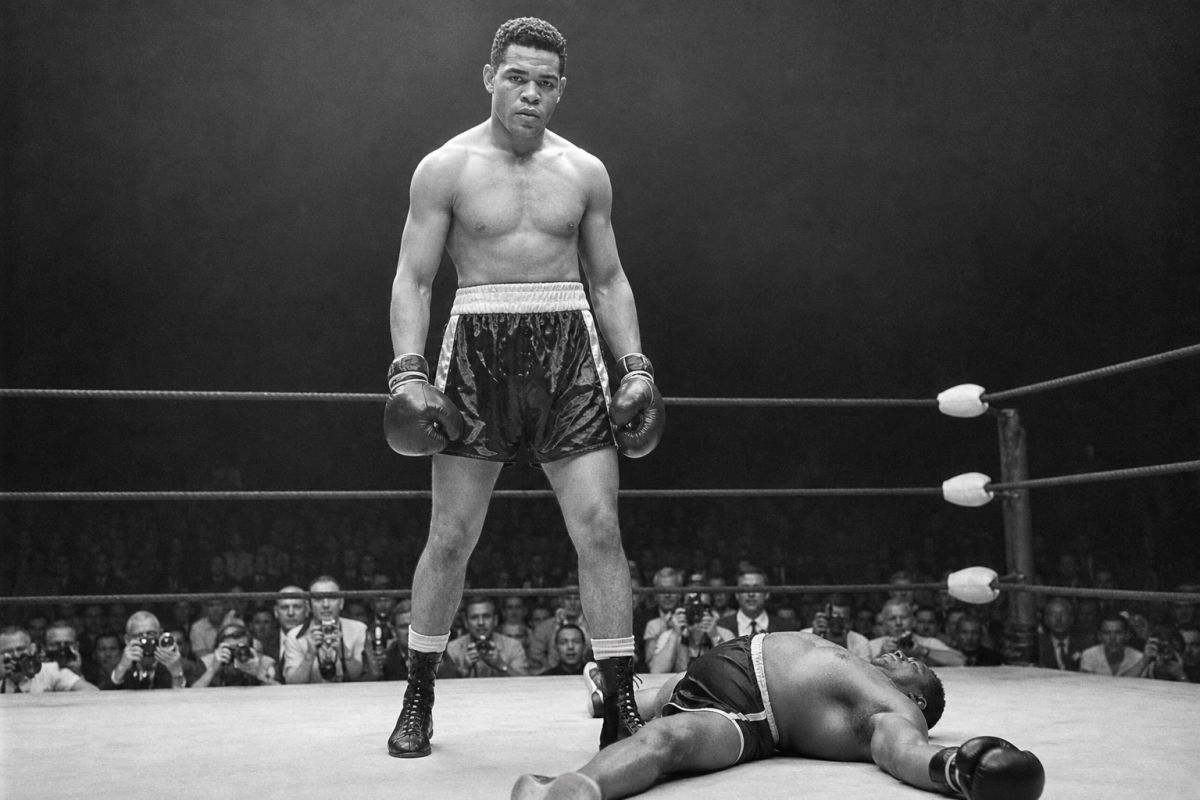
Louis’s combination of power, timing, and steadiness meant that opponents who planned on outlasting him often found themselves overwhelmed by sudden, precise offensive bursts. The nickname “Brown Bomber” captured both his knockout capacity and the inevitability with which he controlled fights: a champion who made dominance look methodical rather than merely explosive.
Defining rivalries and the wider significance of key matches
Individual fights during Louis’s prime crystallized his reputation and, in some cases, carried meaning beyond the ring. Certain rivalries tested him physically and tested the public perception of what a heavyweight champion represented in a divided nation.
These defining bouts did more than alter records; they shaped narratives. When Louis faced challengers who combined power with experience, you saw how he adapted—sharpening defense, tightening combinations, and timing the knockout blow. One particularly consequential rematch, for instance, served as both personal redemption and a symbolic moment for many observers, reframing broader political and social anxieties of the time.
Through these contests, Louis matured from a gifted athlete into a cultural figure whose victories resonated far beyond sporting columns. The ring became a stage where technique, temperament, and timing intersected with the era’s larger stories about race, national identity, and the role of public heroes.
Life after the ring and legacy
Later years and personal challenges
After relinquishing his long-held dominance in the heavyweight division, Joe Louis faced a difficult transition. He served his country during World War II, entertaining troops and working in physical training, but postwar life brought financial and legal struggles, health problems, and attempts to find a place outside the spotlight. These challenges complicated public memory of him but also deepened the story of a man who had carried extraordinary burdens in and out of the ring.
Cultural and sporting influence
- Breaking barriers: Louis’s conduct and achievements challenged racial stereotypes and offered a powerful symbol of dignity during a segregated era.
- Technical legacy: Fighters and trainers study his measured jab, economical movement, and one-punch finishing ability as enduring lessons in ringcraft.
- National significance: Beyond sport, Louis became an unlikely ambassador during wartime and a figure in debates about American identity and civil rights.
Remembering the Brown Bomber
Joe Louis’s life resists a neat moral or single lesson. He was a supremely gifted athlete, a national emblem during complicated times, and a person whose later struggles remind us of the human cost that can accompany fame. To study him is to confront the intersections of talent, race, duty, and vulnerability in 20th-century America.
If you want a concise, authoritative overview of his life and career, see this Joe Louis biography at Britannica.